 All stories


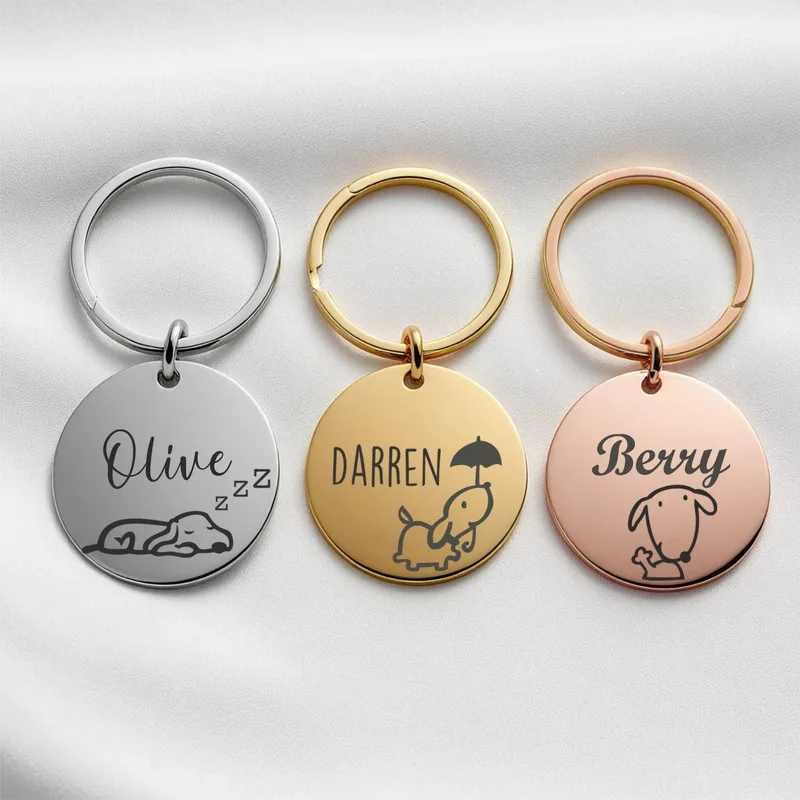
Look at any family's holiday card and count the names. Increasingly, one of them has four legs. The dog is in the photo, the cat signs the card, and when gift season arrives, the pets both give and receive. What began as a niche indulgence, personalized gear and custom art for animals, has settled into ordinary gifting behavior, and the expansion shows no sign of slowing: portraits, caricatures, engraved tags, embroidered beds, monogrammed bowls, entire birthday parties.
It is easy to file this under internet-era excess, but that misreads what is happening. Pet personalization is growing because the underlying relationship changed. For many households, especially ones without children at home, a pet occupies the emotional slot a family member does, and gift-giving has simply caught up with that reality. Understanding why makes you better at the practical part: choosing pet-themed gifts, for the animal or for the human who loves it, that land as touching rather than generic.
The Short Answer
The strongest pet gifts personalize the bond, not just the object. Custom art, a portrait or caricature made from a photo of the actual animal, is the category's centerpiece because no two results are alike. For gear, personalization must survive real use: engraved beats printed, embroidered beats heat-pressed. When buying for someone else's pet, get the animal's name exactly right and study their photos first. Start with pet portraits to see the range.
Why the Category Keeps Expanding
The forces behind the growth are visible in plain daylight. Pets have moved indoors, onto furniture, and into daily routines to a degree earlier generations would find strange; an animal that sleeps in the bedroom and appears in every camera roll is functionally family, and families exchange gifts. Households are also smaller and formed later than they once were, so for many people the pet is not a warm-up for family life but a full member of it.
Social feeds accelerate all of this. Pets are among the most shared subjects online, and a personalized item, the dog in a custom watercolor, the cat's name embroidered on a bed, photographs better than a plain one. The share is part of the product.
There is also a quieter force: grief. Some of the most heartfelt custom orders in this category are memorial pieces, art of an animal that has died, commissioned by the owner or, more movingly, by a friend who knows what the loss meant. The willingness to spend real money and care here is perhaps the clearest evidence that pet personalization is about love rather than novelty. Anyone shopping for a bereaved friend should know this option exists among gifts for pet lovers, and that it is routinely described by recipients as the most meaningful gift they received that year.
The Personalization Ladder
Pet personalization runs from trivial to heirloom, and knowing the rungs helps you aim. At the bottom sits name-on-object: tags, bowls, bandanas. Useful, inexpensive, and appreciated, but interchangeable; any retailer can put "Biscuit" on a bowl. One rung up is fit-to-animal: gear chosen or made for this specific creature's size, breed, coat, and habits, which requires actually knowing the animal. Near the top is likeness work: a portrait or caricature commissioned from photos of the actual pet, where the output is unrepeatable by definition. At the very top is likeness work with story, the pet rendered in a setting that means something, wearing the absurd sweater, posed with the family, or memorialized in a favorite spot.
The higher rungs make better gifts between humans because they encode attention. The lower rungs make better practical purchases for the animal itself. Trouble comes when givers mistake one for the other, expecting a monogrammed bowl to carry the emotional weight of a portrait.
Portrait or Caricature: Choosing the Likeness
For the centerpiece rungs, the practical choice is between faithful and playful, and it should follow the owner's relationship with the animal. A portrait, watercolor, digital painting, or classical-style rendering, suits the reverent pet owner, the one whose feed is golden-hour photos, and it is the only appropriate register for memorial pieces. A pet caricature suits the household that treats the animal as a comedy character, the cat with a documented attitude problem, the dog with the ears physics cannot explain. Exaggeration flatters animals more safely than humans, since no dog has ever objected to bigger ears.
Photo quality decides more of the outcome than either style choice. Artists work from what they can see: a sharp photo at the animal's eye level, in natural light, showing the face and any distinctive markings, gives a likeness a chance; a dim overhead shot of a black dog on a black couch does not. When commissioning secretly for someone else, raid their social media for the photos they chose to post, those are the ones that look like the pet to them, which is the likeness that matters. The picks under this story show the format's typical shape: photo in, finished likeness out, at sizes meant for a wall.
What to Look For (and What to Skip)
Worth trusting, for custom art and personalized gear alike:
- Artist samples spanning many different animals, breeds, and coat colors, proof of range rather than one repeated template
- A stated proof or revision step before the final piece
- Photo guidance in the listing, the reliable tell that likeness is taken seriously
- For gear: personalization that is engraved, stitched, or woven in, plus stated sizing by measurement rather than by vague size names
- Materials named plainly, especially for anything the animal will chew, wear, or eat from
Reasons to hesitate:
- Portrait listings where every sample animal looks suspiciously alike, template work with a new head pasted in
- No revision policy on likeness work
- Personalized gear where the name is a printed sticker or heat transfer on a chew-adjacent object
- One-size-fits-all harnesses, sweaters, or collars, since animals vary more than clothing sizes admit
- Food and toy items with no material information at all, a non-starter in pet supplies
Budget Reality
The entry tier covers name-on-object gear and small digital art, modest spends that work as stocking-level gestures. The solid middle tier is where the category's best value lives: commissioned likeness work at gift-appropriate prices, quality embroidered or engraved gear sized to the animal, and sturdy toys chosen for the specific chewer. The heirloom tier, large canvases, framed originals, multi-pet family compositions, exists for milestone occasions and memorials, where permanence is the point. Spend by rung, not by habit: an inexpensive tag can be exactly right as a small kindness, but the emotional occasions, a loss, a first gotcha-day, a pet-loving friend's landmark birthday, deserve the likeness rungs.
Mistakes People Make
- Misspelling the animal's name. It sounds absurd until it happens; owners notice instantly and forever. Confirm spelling from the source, not from memory.
- Commissioning art from a bad photo because it is cute. Artists need clarity, not charm. Choose sharpness and visible markings over the funny blurry one, or send both and say which is which.
- Giving generic pet merchandise to a devoted owner. A paw-print mug says "you own a dog"; a portrait of their dog says "I know Biscuit." The second is the gift.
- Buying wearable gear without measurements. Guessed sizes fail at both ends, and returns on personalized items are usually impossible. Ask for measurements or gift the likeness instead.
- Treating a memorial commission as too sad to give. Recipients overwhelmingly cherish them. Time it with care, weeks rather than days after a loss, and pair it with a short note rather than an explanation.
What is the best personalized gift for a pet owner?
For emotional occasions, commissioned likeness art of their specific animal is the reliable centerpiece: unrepeatable, clearly effortful, and flattering to the bond rather than just the pet. For everyday occasions, well-made personalized gear, engraved tags, embroidered beds, fitted accessories, lands well at lower cost. Match the rung to the occasion, and when in doubt, art for milestones, gear for gestures.
How do I get a good custom portrait of someone else's pet?
Source photos quietly from their social media, favoring sharp, well-lit shots at the animal's eye level that show the face and distinctive markings. Confirm the pet's name spelling from a written source. Choose an artist whose samples span many breeds and coat colors, and who offers a proof step. Portrait style suits reverent owners and memorials; caricature suits households that joke about their animal daily.
Are personalized pet gifts appropriate after a pet dies?
Yes, and they are often described as the most meaningful sympathy gesture a friend can make. A memorial portrait from a favorite photo acknowledges that the loss was a family loss. Timing matters: allow a few weeks rather than arriving in the rawest days, and accompany it with a brief, warm note. Avoid humor styles for memorial pieces; faithful, gentle renderings are the safer register.
Why do people spend so much on pets at the holidays?
Because the pet has moved from property to family member in daily life, and holiday rituals follow the family. Pets appear in the card photo, wait through the gift exchange, and provide much of the household's daily affection; buying for them is buying for the relationship. The spending looks irrational only if the pet is an accessory. For most owners it is closer to a sibling.
Reviews & comments
See every public review for this Journal story and leave your own note.