 All stories


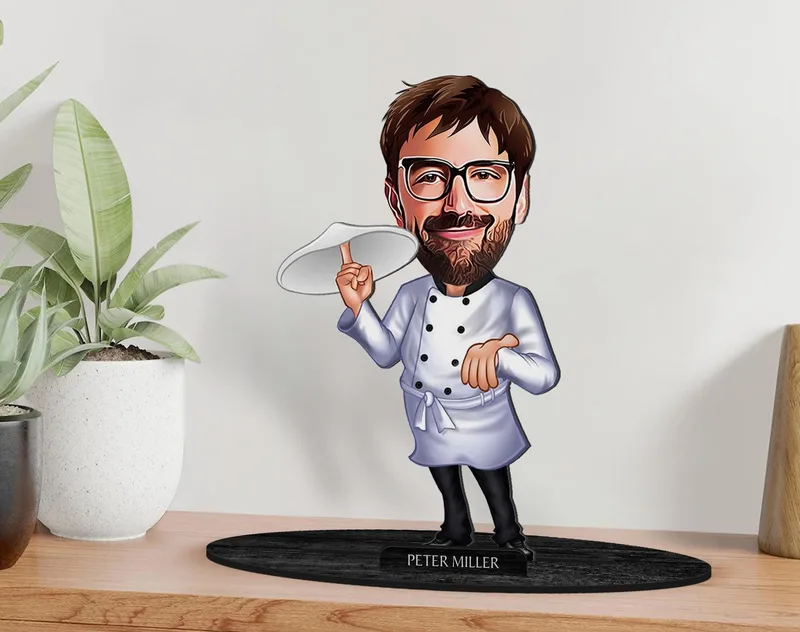
A realistic portrait captures how a pet looks. A caricature captures how a pet is — the goofy ear that never sits right, the way they tilt their head when they beg, the permanently unimpressed expression some cats seem to be born with. Neither is objectively better, but they serve different purposes, and picking the right one makes a huge difference in whether the final piece feels like a formal keepsake or a piece that makes people laugh every time they walk past it.
When Personality Beats Precision
A portrait is the right call when you want something dignified — a memorial piece, a formal gift for a very serious dog owner, something that could hang next to a family photo without looking out of place. A caricature is the right call when the pet's personality is the whole point: the dog who's never once posed nicely for a photo, the cat with an attitude problem, the rescue whose one floppy ear tells its whole story. If humor is core to how you'd describe the animal, a caricature usually captures them better than a straight likeness ever could. Browse caricatures generally to see the range of styles before deciding which direction fits your pet.
Choosing the Right Reference Photo
Good caricature art starts with a good photo, and the requirements are a little different from a portrait. You want a clear, well-lit shot where the pet's face and expression are unmistakable — a slightly candid, mid-action shot (mouth open, ears up, caught mid-zoomies) often works better than a posed one, because it's the quirky moments that give an artist something to exaggerate. Avoid photos where the pet is partially turned away, in shadow, or blurry, since the artist needs to see the features clearly to capture them accurately, even in an exaggerated style. If you have several candidate photos, pick the one where the expression is most "them" rather than the most flattering or highest resolution — personality matters more than polish for a caricature.
Picking a Style and Format
Caricature styles range from lightly exaggerated and warm to bold and cartoonish, and the right choice depends on the pet's personality and where the final piece will live. If you are new to commissioning custom caricatures, it helps to look across a few styles first. A subtler style suits a piece going in a living room next to other art; a bolder, more comic style suits something for a desk, a gift for a fellow pet lover, or a piece meant to make someone laugh out loud. Browse pet caricatures to get a sense of the range before deciding what fits. Format matters too: a digital file works well for a phone background or a printed card, while a canvas or framed print is better suited to a wall, and each choice affects how much detail and color intensity looks right in the final piece.
Multi-Pet Households and Group Pieces
If there's more than one pet in the picture, a caricature can capture the dynamic between them in a way a straight portrait often can't — the older dog looking unimpressed while the puppy causes chaos, or two cats maintaining their usual truce. For a group piece, send a photo (or a few, if one clear shot of everyone together doesn't exist) and be specific in your brief about each animal's role in the household dynamic, so the artist has something to work with beyond just faces.
Briefing the Artist Well
Because this is custom, order-based art rather than something pulled off a shelf, the quality of your brief matters. Beyond the photo, tell the artist what you want emphasized — a signature expression, a favorite toy, a running joke about their size or behavior. The more specific the detail, the more the finished piece will feel like that animal rather than a generic cartoon dog or cat. If it's a gift for someone else, a quick note about the pet's personality from the owner's perspective helps enormously — things like "he only makes this face when food is involved" are exactly the kind of detail that separates a generic cartoon from a piece that gets recognized instantly.
What to Expect From the Process
Custom pet caricatures follow a straightforward order-based process: you submit a clear photo and your style preference, the artist works from that reference, and you'll typically see a proof before the piece is finalized. Build in a little time for that back-and-forth, especially if you want a specific detail adjusted — a good proof stage is what separates a piece that's technically fine from one that really nails the pet's personality. If you're ordering as a gift and working to a deadline, mention that upfront so there's enough time for a proof round rather than rushing straight to a final version.
Where the Finished Piece Lives Changes the Decision
Think about the final destination before you commit to a style. A piece headed for a home office or a desk at work can afford to be bolder and funnier, since it's meant to make the owner smile during a routine day. A piece going into a shared living space, especially one with more formal decor, often benefits from a gentler caricature style that reads as charming rather than cartoonish from across the room. If the gift is for someone else's pet rather than your own, ask a quick question about where they'd want to display it — it affects both style and format in ways that are easy to get wrong if you're guessing.
Gifting It Well
Because this is order-based art with a proof stage, a pet caricature rarely works as a same-day surprise — plan around the timeline rather than the occasion date if the two don't line up naturally. If you want the reveal itself to feel special, consider presenting a printed proof or a small preview ahead of the final piece arriving, so the recipient has something to look forward to and the wait becomes part of the gift rather than a delay before it.
FAQ
Can a caricature work for a memorial piece?
It can, if the pet was known for a particular personality trait or expression the family loved, but a gentler, warmer style tends to suit a memorial better than a bold cartoon one — worth discussing with the artist upfront.
What if I only have older or lower-quality photos?
Send the clearest one you have and flag it to the artist; a slightly lower-quality photo is still workable as long as the pet's key features are visible, though very blurry or dark photos limit what can be captured accurately.
How is this different from a pet portrait?
A portrait aims for a realistic likeness; a caricature intentionally exaggerates features and expression for a warmer, funnier effect. Both are custom order-based art, just with different goals.
Can I request a specific pose or accessory, like a favorite bandana?
Yes — including those details in your brief to the artist is exactly how you get a piece that feels personal rather than generic.
Can I combine a pet caricature with the owner in the same piece?
Yes, this is a common request and works well when you send clear photos of both — just be specific in your brief about how you want the two to interact in the final composition, since that framing is what makes it feel like a real moment rather than two figures pasted together.
How many pets can realistically be included in one piece?
Most households of two or three pets work fine as long as you can supply a clear photo, or clear individual photos, of each one; beyond that, it's worth discussing composition with the artist upfront so the piece doesn't feel cluttered.
Explore pet caricatures or the wider gifts for pet lovers collection, and browse gifts more broadly to see what fits your pet's personality best.
Is a pet caricature better than a portrait?
A pet caricature is better when the animal's personality is the whole point and you want to capture playfulness rather than an exact likeness. Where a realistic portrait aims for accuracy, a caricature exaggerates the quirks that make a pet unmistakably themselves. Choose a caricature for humor, warmth, and character, and a portrait when formal realism is the goal. Both can be treasured; they simply celebrate a pet differently.
What is a pet caricature?
A pet caricature is a stylized, often humorous illustration that exaggerates a pet's most distinctive features and personality for playful effect. Rather than reproducing the animal exactly, it plays up big eyes, a goofy grin, or a signature pose. The result feels lively and affectionate, capturing the spirit of a pet more than its precise appearance. It makes a memorable, lighthearted keepsake or gift. Explore pet caricatures to see the style.
When should you choose a caricature over a realistic pet portrait?
Choose a caricature when your pet has a big, funny personality you want front and center, or when you want a gift that makes people smile. It shines for mischievous, expressive, or comically dramatic pets whose charm is more about attitude than looks. Pick a realistic portrait instead when you want a dignified, true-to-life likeness. Match the format to the feeling you want the art to evoke.
Does a caricature still look like my pet?
Yes, a good caricature still clearly reads as your pet because it exaggerates their real, recognizable traits rather than inventing new ones. The artist amplifies the features people already associate with your animal, so friends recognize them instantly, often faster than with a formal portrait. The likeness lives in the personality and signature details. Sharing clear, characterful photos helps the artist capture what makes your pet unmistakable.
Reviews & comments
See every public review for this Journal story and leave your own note.