 All stories


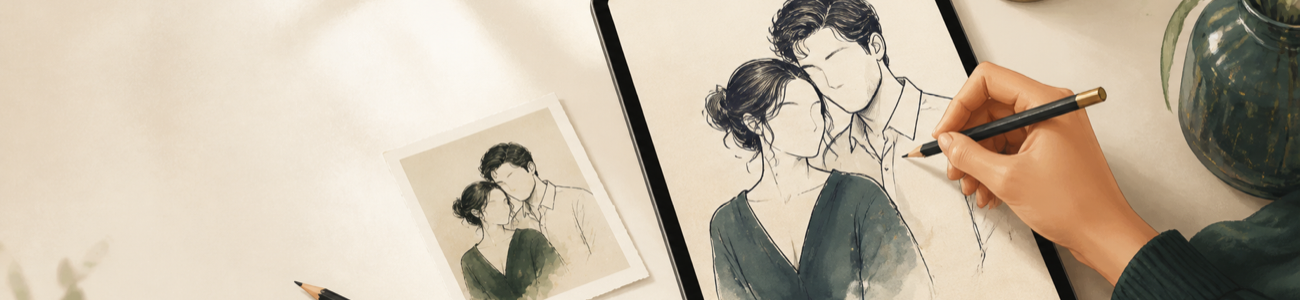
A caricature works as a gift because it does two things a straight portrait can't: it makes people laugh, and it proves the artist actually looked closely at the person. That combination of humor and recognizable likeness is what separates it from generic art and generic humor alike.
Why a caricature works as a gift
A caricature isn't just an exaggerated drawing. Its value as a gift comes from the specificity: the artist has to actually notice someone's distinctive features, a signature expression, a hobby they're known for, or a running joke among their friends, and then push those details just far enough to be funny without losing the resemblance. That combination is hard to fake with a generic gift. It signals that someone thought about the recipient as an individual, which is the same reason personalized gifts land well in general, but a caricature adds a layer a plain personalized item can't: it's genuinely funny to open, which changes the entire tone of the gift-giving moment from polite appreciation to actual laughter in the room.
This is also what separates a caricature from a standard portrait. A portrait aims for likeness and often a certain dignity. A caricature aims for likeness plus a wink, which is why it tends to work better for lighthearted occasions and worse for anything solemn.
Occasions where a caricature fits well
Some occasions are practically built for this format:
- Birthdays, especially milestone ones where a bit of gentle ribbing about age is part of the fun
- Retirements, where a caricature can reference a career-long habit, catchphrase, or running office joke
- Weddings, either as a guest-book alternative, a favor, or a keepsake of the couple themselves
- Roasts or farewell parties, where the whole point is affectionate exaggeration
- Corporate events, team milestones, or work anniversaries, where a caricature artist at the event or a commissioned piece afterward can commemorate the occasion without the stiffness of a formal award
It's a weaker fit for anything that calls for restraint, like a formal thank-you to a client or a first gift to someone whose sense of humor you don't know well yet.
Turning a caricature into a lasting gift
The caricature itself is only the starting point. How it's finished determines whether it becomes a keepsake or gets stuck in a drawer:
- A framed print for a desk or wall, which suits retirements and milestone birthdays especially well
- A greeting card built around the caricature, useful when you want the humor to land the moment the card is opened
- A digital keepsake, easy to share in a group chat or use as a phone background, which suits younger recipients or remote teams
- Incorporated into an invitation or program for a wedding, when the couple wants a lighter visual thread through the event
For birthdays specifically, pairing a caricature with something from birthday gifts rounds out the gift with a physical item alongside the artwork. For weddings, the gifts and mementos category has other keepsake formats worth considering alongside or instead of a caricature, depending on the couple's taste.
Choosing a good source photo
The same rules that apply to any custom portrait apply here: clear lighting, a forward-facing shot, and minimal obstruction. But caricature artists also benefit from photos that show some expression or personality, a genuine smile, a raised eyebrow, a signature pose, since those are the details that make the final piece feel like the actual person rather than a generic exaggerated face. A flat, neutral ID-photo-style shot gives an artist much less to work with than a candid photo taken mid-laugh or mid-conversation.
What to avoid
Caricatures aren't the right choice for every relationship or every moment. Skip it for anyone sensitive about their appearance, since even affectionate exaggeration can land badly if the recipient isn't comfortable being the subject of a joke. Avoid it for occasions that call for solemnity, like a memorial, where the tone works against the moment rather than with it. And for office settings, keep the exaggeration focused on well-known, good-natured traits rather than anything that could read as mocking a physical feature someone is self-conscious about.
How JediPic can help
Browse caricatures for the full range of styles built around this format, or look at caricatures for related custom-art options. Once you've settled on the format, pair the piece with something from birthday gifts for a milestone celebration, or check gifts and mementos if the caricature is part of a wedding gift or favor.
When is a caricature a better gift than a portrait?
A caricature works best when you want humor and warmth rather than formality, making it ideal for someone with a strong sense of fun. It celebrates personality by exaggerating signature features and hobbies, so it lands well for milestone birthdays, retirements, and inside-joke gifts. Skip it for solemn occasions or for people who dislike being teased.
Will a caricature offend the person receiving it?
A good caricature flatters through affection, not mockery, so it rarely offends when the exaggeration stays playful and focuses on hobbies, style, and happy traits. The key is knowing the recipient and avoiding sensitive features. If you are unsure how they feel about being caricatured, choose a gentler likeness or a straight portrait instead.
What details should I give the caricature artist?
Provide a clear, front-facing photo plus notes on the person's hobbies, job, pets, or favorite things you want featured. These details let the artist build a scene that feels personal rather than generic. Mention any features to emphasize or avoid, and specify the occasion so the tone and background match, whether it is a birthday gift or a wedding keepsake.
Is a caricature appropriate as a wedding gift?
Yes, a caricature can be a charming wedding or couple's gift when it captures the pair together doing something they love. It reads as lighthearted and personal, which suits engagement parties and anniversaries especially well. For a formal wedding crowd, keep the exaggeration subtle so the piece feels celebratory rather than comic.
Reviews & comments
See every public review for this Journal story and leave your own note.