 All stories


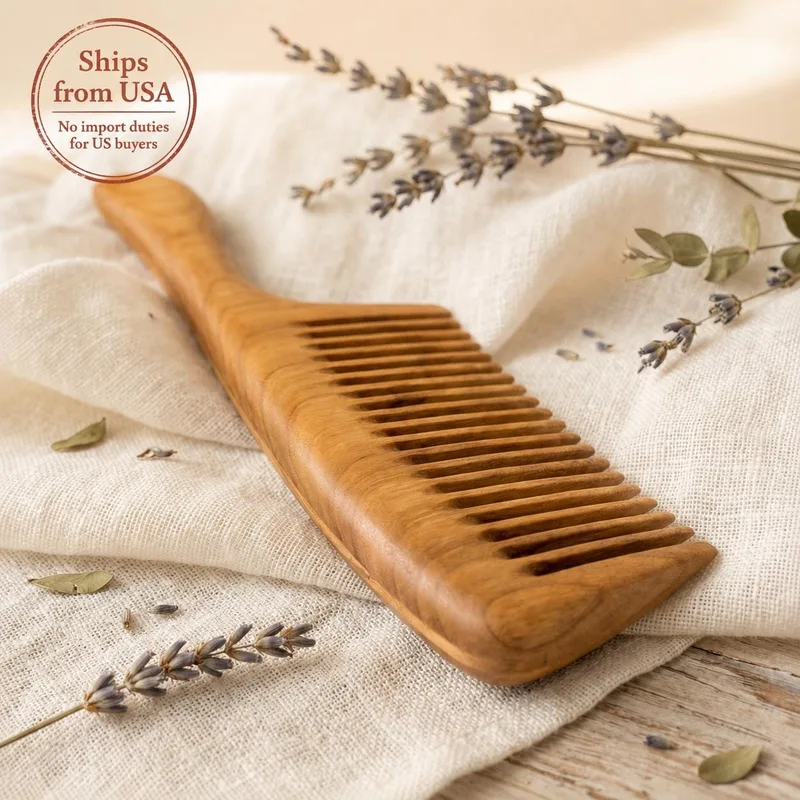
There's a version of sustainable gifting that arrives with a sermon: the gift wrapped in visibly recycled paper, the card explaining the carbon footprint, the unspoken suggestion that the recipient's own habits are under review. Whatever its intentions, it tends to land badly, because it makes the gift about the giver's values instead of the recipient's pleasure. Nobody wants their birthday present to grade them.
Fortunately, the version of sustainable gifting that's actually spreading looks nothing like that. More shoppers are quietly drifting toward gifts that are fewer, better made, and kept longer, not because they were lectured into it, but because those gifts are simply more satisfying to give and to receive. The waste reduction comes along as a side effect. That's the version worth learning, and it never has to announce itself.
The Most Sustainable Gift Is the One That Gets Kept
Strip away the packaging debates and one fact towers over everything else: the biggest waste in gifting is the gift nobody wanted. The scented set migrating to a closet, the gadget used twice, the sweater in the wrong size and spirit. Every resource that went into an unwanted gift is spent regardless of how recyclable the wrapping was. So the single highest-impact sustainability move is embarrassingly ordinary: choose something the person will actually use or genuinely treasure. A well-aimed gift chosen with real attention to the recipient is greener than a poorly aimed one made of bamboo. Everything else in this article is refinement on that point.
Fewer, Better Is Replacing More, Cheaper
The gradual shift is visible in how people talk about occasions: less pride in the size of the pile, more in the precision of the choice. One well-made piece for the home instead of three novelties; a single item from home and living that survives a decade of daily use instead of a rotation of trend purchases. This isn't austerity, and it usually isn't even framed as environmentalism. It's the recognition that a gift's afterlife is part of the gift. Things built to last, and worth repairing, spare the recipient the small recurring sadness of watching a present wear out, and spare the landfill along the way.
Made-to-Order Wastes Less by Design
Here's a quietly underrated feature of custom and made-to-order gifts: nothing is produced until someone wants it. There's no warehouse of surplus units gambling on demand, no unsold inventory heading for clearance or disposal. A commissioned piece, whether it's a print, a ceramic, or a personalized gift built around one recipient, exists because exactly one person asked for it. Made-to-order also fixes the aim problem from the other direction, since a gift designed around a specific person is far less likely to end up unwanted. The trade-off is lead time, which is why slower gifting and sustainable gifting turn out to be the same habit wearing different names.
Digital Gifts Weigh Nothing
Some gifts have shed their physical form entirely without shedding their meaning. A custom illustration delivered as a file the recipient can print, frame, or set as a wallpaper; well-made downloadable digital art for a planner, an invitation suite, or a family recipe book; a commissioned piece that lives on a screen in their hallway. No shipping, no packaging, nothing to store or discard, and, delivered thoughtfully, nothing impersonal about it. Digital won't suit every occasion or every recipient, and it shouldn't be forced on people who love objects. But for the right person it's the rare option that is simultaneously the most convenient and the lightest-footprint choice on the table.
Experiences and Consumables Beat Clutter for Some People
Not everyone wants more objects, and the people who don't will tell you if you listen. For them, the sustainable choice overlaps neatly with the thoughtful one: a shared meal, tickets, a class, or something excellent from food and drink that gets fully enjoyed and leaves nothing behind but the memory. Consumable and experiential gifts used to carry a faint whiff of cop-out; that reputation is fading as more recipients openly say they'd rather have an evening than an item. Matching the gift's form to the person's actual life, object for the collector, experience for the decluttered, is both courtesy and conservation.
Keep the Ethics Off the Gift Tag
Finally, the tactical point: however green your choices get, resist narrating them. The moment a gift is presented as a statement, the recipient is put in the audience of your values rather than at the center of your attention. Let the quality speak. If the recipient notices the gift happens to be durable, useful, or waste-free, the discovery flatters them; if you announce it, the same fact lectures them. Sustainable gifting done well is invisible sustainability wrapped around visible care. The card should say why the gift is theirs, not why it's virtuous.
What makes a gift sustainable?
More than anything, being wanted. A gift that gets used or treasured for years justifies the resources that made it, while an unwanted one wastes them no matter how eco-friendly its materials or wrapping. After aim, the levers are durability, made-to-order production that creates nothing speculative, digital delivery where it suits the recipient, and consumables or experiences for people who don't want more objects.
Are digital gifts really more sustainable than physical ones?
They avoid manufacturing, packaging, and shipping entirely, so on footprint they're hard to beat, and a custom digital piece can be just as personal as a printed one. The real question is fit: a digital gift suits some recipients and occasions and feels thin for others. Choose it because it's right for the person, and treat the lighter footprint as a welcome side effect.
How do I give sustainable gifts without seeming preachy?
Simply don't mention it. Choose well-made, well-aimed gifts and let their quality carry the message silently. Skip the explanatory card about materials and footprints; write about the recipient instead. If they notice the gift is durable or waste-free on their own, it lands as a discovery rather than a lesson. Sustainability that must be announced usually serves the giver's image more than the recipient's joy.
Is it better to give one nice gift or several small ones?
Usually one, chosen precisely. A single well-made piece the person will keep tends to be more satisfying to receive and produces less waste than a pile of minor items, several of which typically miss. If you love the abundance of multiple packages, keep one meaningful anchor gift and let the extras be consumable, useful, or genuinely funny, so nothing in the pile exists just to be volume.
Reviews & comments
See every public review for this Journal story and leave your own note.