 All stories


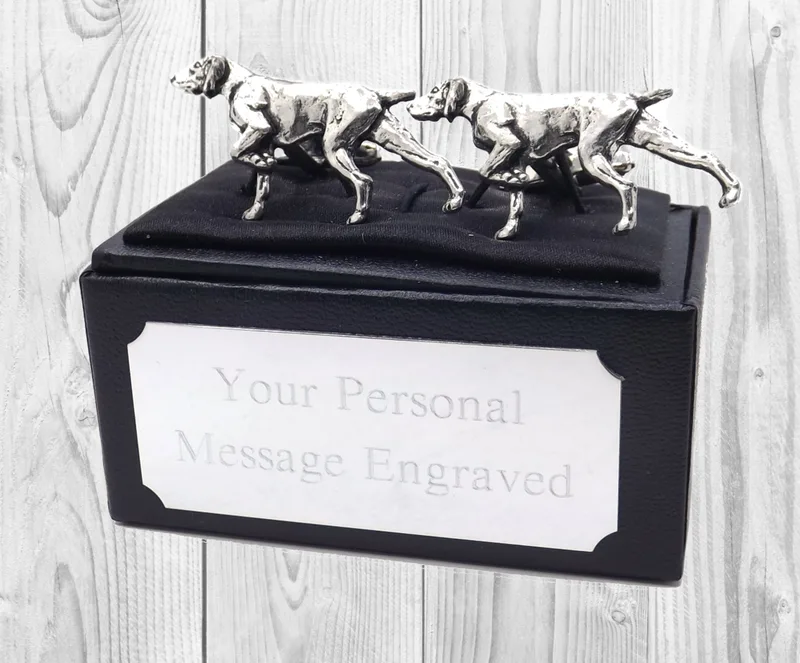
Every year some gift trend arrives with fanfare and quietly leaves. Personalization is not one of them. Season after season, more shoppers are choosing gifts built around a specific person over gifts pulled from a shelf, and the shift shows no sign of reversing. That kind of persistence usually means a trend isn't really a trend at all; it's a correction, the market catching up to something people wanted all along.
It's worth understanding why this particular shift keeps compounding, because the reasons say something useful about how to shop, not just about what's fashionable. None of them are mysterious. They're structural, and they're not going away in 2026.
Abundance Made Generic Gifts Cheap, and Cheap to Give
The first driver is simple oversupply of the ordinary. Almost anyone can order almost anything and have it arrive in days, and everyone knows it. When acquiring a decent generic product takes thirty seconds, the product itself stops carrying the message it used to carry. A nice candle once said "I went looking for something for you." Now it can just as easily say "I was in a hurry." Recipients sense this, givers sense that recipients sense it, and the natural response is to reach for gifts that still visibly cost something to choose: thought, specificity, lead time. A personalized gift is hard to fake precisely because it can't be produced in thirty seconds.
Everyone Now Carries the Raw Material Around
Personalization used to have a practical bottleneck: you needed material. A good photo of the couple, a record of the inside joke, the name of the childhood street. Digging that up took effort, so most people defaulted to generic. That bottleneck has quietly disappeared. The average person's phone holds years of photos of everyone they love, searchable in seconds. Group chats preserve the jokes. The raw material for a deeply specific gift, the kind a custom portrait or caricature is built from, is sitting in your pocket, already collected. When the hardest step of a behavior gets easy, more people do it. That's not a fad mechanism; it's a ratchet, because the photo libraries only grow.
Ordering Custom Stopped Being Intimidating
A generation ago, commissioning something custom meant knowing an artist personally or walking into a studio and negotiating like a patron. The process was opaque enough that most people never tried. That's changed. Custom ordering has settled into a familiar, almost standardized shape: pick a style from examples, upload reference photos, write a short brief, review a proof, receive the piece. Shops that do custom work publish their process up front, and marketplaces present portraits and custom art in browsable categories like any other product. When an intimidating process becomes a legible one, the audience for it widens from enthusiasts to everyone, and widening audiences are exactly how a preference becomes a lasting shift.
A Response to Feeling Like a Demographic
There's also a softer force underneath the practical ones. A great deal of modern life addresses people as segments: recommended content, targeted offers, size-medium everything. Most of it is convenient and none of it is personal, and people feel the difference even when they can't name it. A gift is one of the few remaining messages that can say the opposite: not "people like you tend to enjoy this" but "I thought about you, specifically, and only you." The more automated and averaged daily life feels, the more that message stands out, which is a plausible reason the appetite for it keeps growing rather than fading with the novelty.
Occasions Are Bending Toward Meaning Over Size
Look at how people talk about milestone gifts now and a pattern shows up: less emphasis on the biggest possible object, more on the most fitting one. Anniversary gifts built around the couple's actual history, wedding presents that reference how two people met, retirement gifts that acknowledge a career's specifics rather than crowning it with generic luxury. The question shoppers ask has shifted from "what's impressive?" toward "what's true about this person?" Personalized gifts win under that question almost by definition, because being true about a specific person is the entire product.
A trend driven by novelty fades when the novelty does. A trend driven by structure, by what people have, what they can easily do, and what they're starved for, keeps going.
What This Means for How You Shop
If personalization is the durable direction, the practical takeaway isn't "personalize everything." It's to spend your effort where specificity pays most. Reserve custom work for the people and occasions where a generic gift would ring hollow, and start those orders early, because made-for-you takes lead time. For everyone else, borrow the logic without the production: a well-chosen ready-made gift plus a card that names the specific reason you chose it captures much of the effect. And treat your photo library as a gift resource, not just a memory archive; the best brief for a custom piece is usually already in there, waiting to be noticed.
Are personalized gifts still worth it in 2026?
Yes, and arguably more than before. As generic products became effortless to acquire, they lost much of their power to signal care, while a gift built around one specific person still visibly costs thought and lead time. The forces behind this, abundance of ordinary goods and easy access to custom ordering, are structural rather than fashionable, so the value of specificity is holding rather than fading.
Why do people prefer personalized gifts over expensive ones?
Because price and meaning answer different questions. An expensive generic gift proves you spent money; a personalized one proves you paid attention, and attention is scarcer. A modest piece that references someone's dog, hometown, or running joke tends to be kept and remembered longer than costlier items chosen in general terms. When people recall their favorite gifts, they usually cite the most specific one, not the priciest.
What makes a personalized gift feel meaningful rather than gimmicky?
The difference is whether the personal detail carries real significance or just identification. A name printed on a product identifies; a reference to a shared memory, a beloved pet, or a place that matters resonates. One well-chosen true detail beats several shallow ones. If you can picture the recipient's reaction on noticing the detail, it's meaningful; if the detail could apply to anyone with the same name, it's decoration.
How early should I start on a personalized gift?
Earlier than a store-bought one, always. Custom work moves through a brief, production, often a proof and revisions, and then shipping, and each stage takes calendar days. For a made-to-order piece, begin several weeks ahead, and add margin around major holidays when makers' queues lengthen. If the date is already close, choose a ready-made gift now and let the custom piece follow as a second moment.
Reviews & comments
See every public review for this Journal story and leave your own note.