 All stories


Sending a gift to another country is one of those tasks that looks simple until you are standing at the counter. The box you lovingly packed turns out to contain three things the destination country restricts, the shipping quote costs more than the gift, and weeks later your friend messages to say the package is sitting in customs with a fee attached to it. Distance already makes gift giving harder; logistics should not make it worse.
The fix is to think about the journey before you think about the object. A gift crossing a border faces four filters: physical survival, customs rules, cost, and time. Choose something that passes all four and the experience is smooth. Choose the gift first and check the filters later and you are gambling. The happy discovery is that the gifts that travel best are often the most personal ones, and the best option of all sometimes involves shipping nothing.
What Actually Travels Well
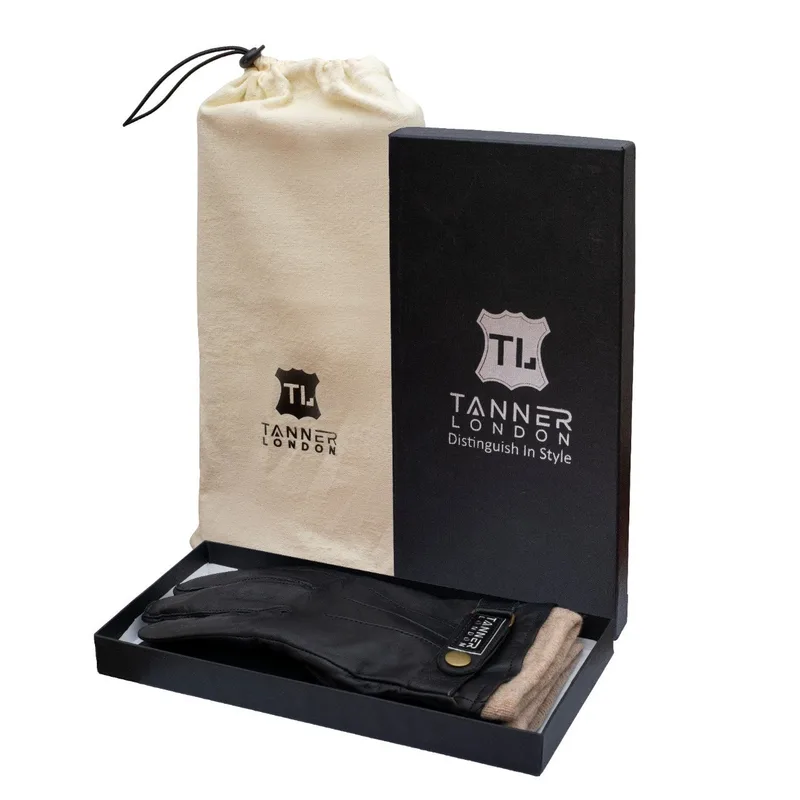
The physics are unforgiving and therefore clarifying: small, light, flat, and durable wins. Weight and volume drive international shipping costs more than anything else, and every handoff between carriers is a chance for damage. The categories that consistently survive the trip: textiles like scarves and quality socks, small leather goods, jewelry in a padded box, books, prints and flat artwork shipped in rigid mailers or tubes, and well-packed small ceramics if you accept some risk. Paper goods are the unsung heroes of international gifting: a print, a letterpress card, a photo book. They are light, flat, hard to break, and rarely restricted. As a test before buying, imagine the item dropped from waist height in its packaging, sat on, and left in a hot warehouse for a week. If it shrugs all three off, it can probably make the trip.
What to Leave Out of the Box
Some categories cause a disproportionate share of international shipping grief, and it is worth knowing them before you fall in love with an idea:
- Perishables and fresh food, which rarely clear agricultural rules and do not enjoy week-long journeys.
- Liquids of any kind, including perfume and alcohol; many carriers restrict them outright, and alcohol import rules vary sharply by country.
- Anything with lithium batteries, which face carrier restrictions.
- Aerosols, and most things that spray or pressurize.
- Plants, seeds, and animal products, which agricultural inspections exist specifically to catch.
- Genuinely valuable items, which invite duties, mandatory declarations, and painful insurance questions.
Rules differ by destination, so the specific country's restrictions are always worth a check before you buy. The general principle holds everywhere: the more a gift resembles a shelf-stable object and the less it resembles food, liquid, or electronics, the smoother its trip.
Understand Customs Before You Seal the Box
Customs is where good intentions meet paperwork. Two things surprise first-time senders. First, you must declare honestly what is in the package and what it is worth; writing misleading values on a customs form is illegal, not clever. Second, and more awkward for gift giving, import fees are typically charged to the recipient, not the sender. Many countries exempt low-value gifts from duties, but the thresholds vary widely, and a generous gift can sail past them, greeting your friend with a bill before it hands over the present. If your gift is on the valuable side, look up the destination country's gift threshold before shipping, or choose a sending option that lets you prepay duties where available. Nothing deflates "surprise, I sent you something" quite like "you owe the courier money to receive it."
Ship From Inside the Country When You Can
The most reliable way to win the international shipping game is not to play it. If you buy from a shop or maker located in the recipient's own country, or from a marketplace seller who ships domestically there, the package never crosses a border at all: no customs, no duties, no three-week transit window. This is worth actively searching for. Many independent makers sell through marketplaces that show where each seller ships from, and choosing a seller based in the destination country turns an international problem into a domestic delivery. The trade-off is that you are choosing from that country's sellers rather than your local favorites, but for gifts in common categories, the selection is rarely the constraint. Your role shifts from freight forwarder to curator, which is the better job anyway.
Digital Gifts Solve Most of These Problems
For personalized gifts especially, digital delivery is the quiet cheat code. A custom piece of art, for example a caricature or portrait commissioned from a photo of the recipient, their family, or their pet, can be delivered as a high-resolution file the moment it is finished. No border, no customs form, no crushed corners. The recipient prints it at a local print shop, or you arrange and pay for a print with a shop in their city and let them collect a framed piece. The gift is deeply personal, arrives on time to the minute, and the only thing that crossed the border was an email. The same logic covers downloadable digital art and printables, gift cards usable in the recipient's country, and experience gifts booked at businesses in their city. Just remember that digital delivery removes shipping time, not production time; a custom piece still needs the artist's turnaround, so order with the maker's timeline in mind.
Make It Feel Like a Gift From Far Away
The last filter is emotional. A package that arrives as bare merchandise in a shipping box, or a file that lands as an email attachment, can feel logistical rather than loving, and distance makes the framing matter more, not less. Small moves fix this. If a store ships for you, use any gift-wrap and gift-message option they offer. Time the arrival deliberately; slightly early beats late everywhere on earth. Send a personal message that lands the same day the gift does, or better, get on a video call and watch it be opened, or open the file together on screen. For a digital piece of personalized art, write a real note about why you chose it and what the image means. The object crosses the border; the sentiment travels separately, and it is your job to send both.
What kinds of gifts are easiest to send to another country?
Small, light, durable, shelf-stable items travel best: books, prints and flat art in rigid mailers, textiles like scarves and quality socks, small leather goods, and jewelry in padded boxes. Avoid perishables, liquids, batteries, and plants, which face restrictions in many countries. Paper goods are especially reliable, being light, flat, hard to damage, and rarely restricted anywhere.
Who pays customs fees on an international gift?
Import duties and taxes are typically charged to the recipient, not the sender, which can mean your friend owes the courier money before receiving your present. Many countries exempt low-value gifts, but thresholds vary widely. Check the destination country's gift threshold before shipping something valuable, or use a shipping option that lets you prepay duties where available.
How early should I mail a gift going overseas?
Earlier than feels necessary. International transit adds carrier handoffs and a customs stage whose duration is unpredictable, and delays cluster around major holidays. Build in a margin of weeks rather than days, and if the gift is custom-made, add the maker's production time on top. When the timeline is already tight, a domestically shipped or digitally delivered gift is the safer choice.
Are digital gifts a good option for someone living abroad?
Often they are the best option. Digitally delivered custom art, printable templates, gift cards valid in the recipient's country, and experiences booked in their city all skip customs, shipping costs, and transit damage entirely. The recipient can print artwork locally for a physical keepsake. Digital delivery removes shipping time but not production time, so custom pieces still need the artist's turnaround.
Reviews & comments
See every public review for this Journal story and leave your own note.