 All stories


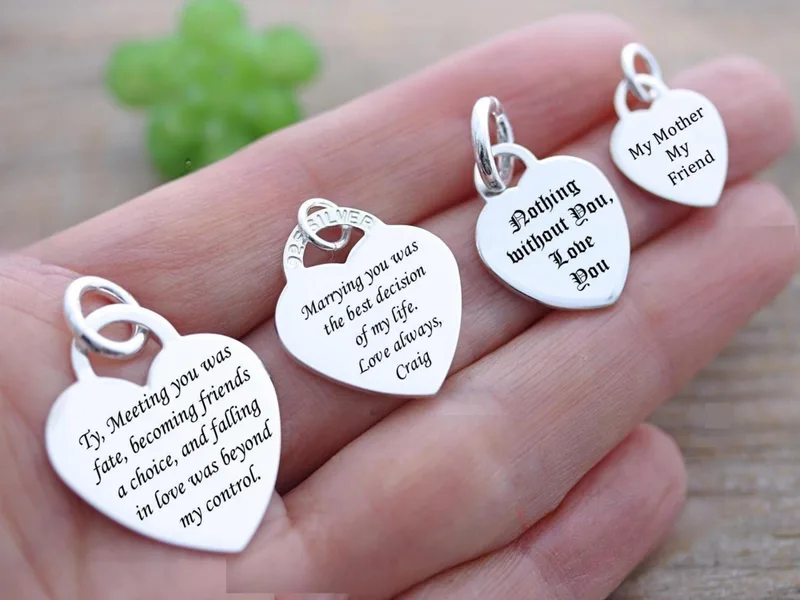
It's easy to assume that adding someone's initials or name to an item counts as personalization. Monogrammed towels, engraved pens, and name-printed mugs are everywhere, and they're not without value. But there's a real difference between a gift that has been customized and a gift that feels genuinely personal. The first says "this is yours." The second says "I know you." Understanding that difference can change how you shop for everyone in your life.
Customization Is Not the Same as Personalization
Adding a name or a set of initials to a product is a form of customization, and it can be a nice touch, but on its own it doesn't require knowing much about the recipient beyond their name. True personalization goes further: it reflects something specific about who this person is, what they care about, or a memory you share with them. A monogrammed item can absolutely be part of a personalized gift, but the monogram alone rarely carries the weight people hope it will. Think of customization as the surface layer and personalization as what's underneath it; the best gifts often have both.
Look for Details Only This Person Would Recognize
The most memorable personalized gifts usually include a detail that would mean nothing to a stranger but everything to the recipient: an inside joke, a specific place, a pet's name, a favorite piece of music, or a moment you both remember. If you can picture the person's face when they notice that detail, you're on the right track. Browsing personalized gifts with that specific detail already in mind, rather than shopping first and personalizing after, tends to produce better results.
Where Custom Art Fits In
Custom illustrated art, including caricatures and portraits, is one of the more direct ways to make a gift feel specific to a person, because the entire piece is built around them rather than adapted from a mass-produced item. The process is usually order-based rather than something you buy off a shelf: you choose a photo or a few photos of the person or people involved, pick a style and format that suits them, and brief the artist on any details you'd like included, like a pet, a hobby, or a particular setting. From there, the artist typically produces a proof for review before the final piece is completed, which gives you a chance to request adjustments. Exploring caricatures is a good way to see the range of styles available, from playful to more understated.
What Goes Into a Typical Custom Art Order
- Choosing a photo: pick a clear, well-lit reference where the person's face is visible, since this gives the artist the best starting point.
- Picking a style and format: decide between a more playful caricature or a more true-to-life portrait, and choose whether it will be digital, printed, or mounted on canvas.
- Briefing the artist: note any details that matter to you, such as a pet, a favorite outfit, a hobby, or a setting that means something to the recipient.
- Reviewing the proof: most orders include a proof stage where you can request reasonable adjustments before the piece is finalized.
- Planning for delivery: factor in enough time between placing the order and the date you need it, since custom work isn't instant.
Give Yourself Enough Time
Because custom art is made specifically for the recipient rather than pulled from existing stock, it takes longer than picking something off a shelf. Choosing a good reference photo, communicating clearly with the artist about what you want, and allowing time for a proof and any revisions all take a bit of lead time. If you're considering this kind of gift, it's worth starting well before the date you need it, rather than in the final days beforehand.
Personalization Doesn't Require a Big Budget
One of the more reassuring truths about personalization is that it isn't about how much you spend. A modestly priced item chosen with real attention to the person's taste, history, or humor will usually be remembered longer than an expensive item picked in general terms. The effort of noticing and including a specific detail is what people respond to, not the price tag attached to it.
Common Ways Personalization Goes Wrong
Not every attempt at personalization lands well, and it helps to know the common pitfalls before you shop. A detail that's technically accurate but emotionally flat, like printing someone's job title on a mug, rarely feels personal because it says nothing about who they are outside of work. Overloading a gift with too many personal details can also backfire, turning something that should feel intimate into something cluttered. And personalizing around a detail that's out of date, like an old nickname the person has grown out of or a hobby they've since dropped, can land as thoughtless rather than thoughtful. When in doubt, one well-chosen detail usually beats several scattered ones.
Personalize the Experience, Not Just the Object
Personalization isn't limited to physical items either. How you present a gift, what you write in a card, or the story you tell when you give it can add just as much meaning as the object itself. A simple gift paired with a note explaining why you chose it, or a custom piece of art unveiled with a bit of context, often lands harder than a more elaborate gift given without explanation. Browsing the wider graphics and design options or the general gifts collection can offer a starting point, but the story you attach to whatever you choose is what will make it feel personal in the end.
FAQ
Is a monogrammed gift still a good idea?
Yes, especially when paired with a specific detail about the person. A monogram alone is a nice touch, but combining it with something only they would recognize makes it feel more personal.
How far in advance should I order custom art as a gift?
It's best to start well ahead of your deadline, since choosing a good photo, briefing the artist, and reviewing a proof all take time before the final piece is ready.
What makes a good reference photo for custom art?
A clear, well-lit photo where faces are visible and not obscured usually gives an artist the best foundation to work from. Photos with a lot of background clutter or poor lighting can make it harder for the artist to capture a good likeness.
Does personalization always cost more?
Not necessarily. Many personalized touches, like a specific note or a small detail added to an otherwise simple gift, cost little to nothing but add significant meaning.
Can I request changes if the custom art doesn't look quite right?
Most custom art processes include a proof stage specifically for this reason, giving you a chance to flag anything that doesn't match your expectations before the piece is finalized.
How do I personalize a gift for someone I don't know very well?
Ask people close to them for a specific detail, like a hobby or a memorable story, rather than guessing. Even a small, well-chosen fact from someone who knows them better can be enough to make the gift feel considered rather than generic.
If you want a gift to feel truly personal, start with a detail only that person would recognize, and let that detail guide everything else you choose, whether it ends up as a custom piece of art or something much simpler.
What is the difference between monogramming and true personalization?
Monogramming adds a name or initials to an existing product, while true personalization shapes the gift around who the person actually is. Initials mark ownership, but they could apply to anyone with the same letters. Real personalization draws on someone's specific traits, memories, or relationships, so the finished gift could only belong to that one person rather than a category of people. See personalized gifts for examples.
What makes a gift feel truly personal?
A gift feels truly personal when it references something specific and true about the recipient, such as a shared memory, an inside joke, a pet, or a defining interest. The detail signals that you thought about them in particular, not just the occasion. Specificity is what separates a heartfelt gift from a generic one, regardless of how much it costs.
Does adding a name really make a gift personalized?
Adding a name personalizes a gift only at the surface level; it identifies the owner but does not capture their personality. A name becomes meaningful when it is paired with something that reflects the person, like custom art or a design tied to their story. On its own, a name is a label, whereas genuine personalization is about the substance behind it.
How can custom art make a gift more personal?
Custom art personalizes a gift by depicting the specific people, pets, or moments that matter to the recipient, making the piece impossible to replicate for anyone else. Unlike a stock product with a name added, a custom illustration is built entirely around their world. That one-of-a-kind quality is what gives custom art its strong emotional pull as a personalized gift.
Reviews & comments
See every public review for this Journal story and leave your own note.