 All stories


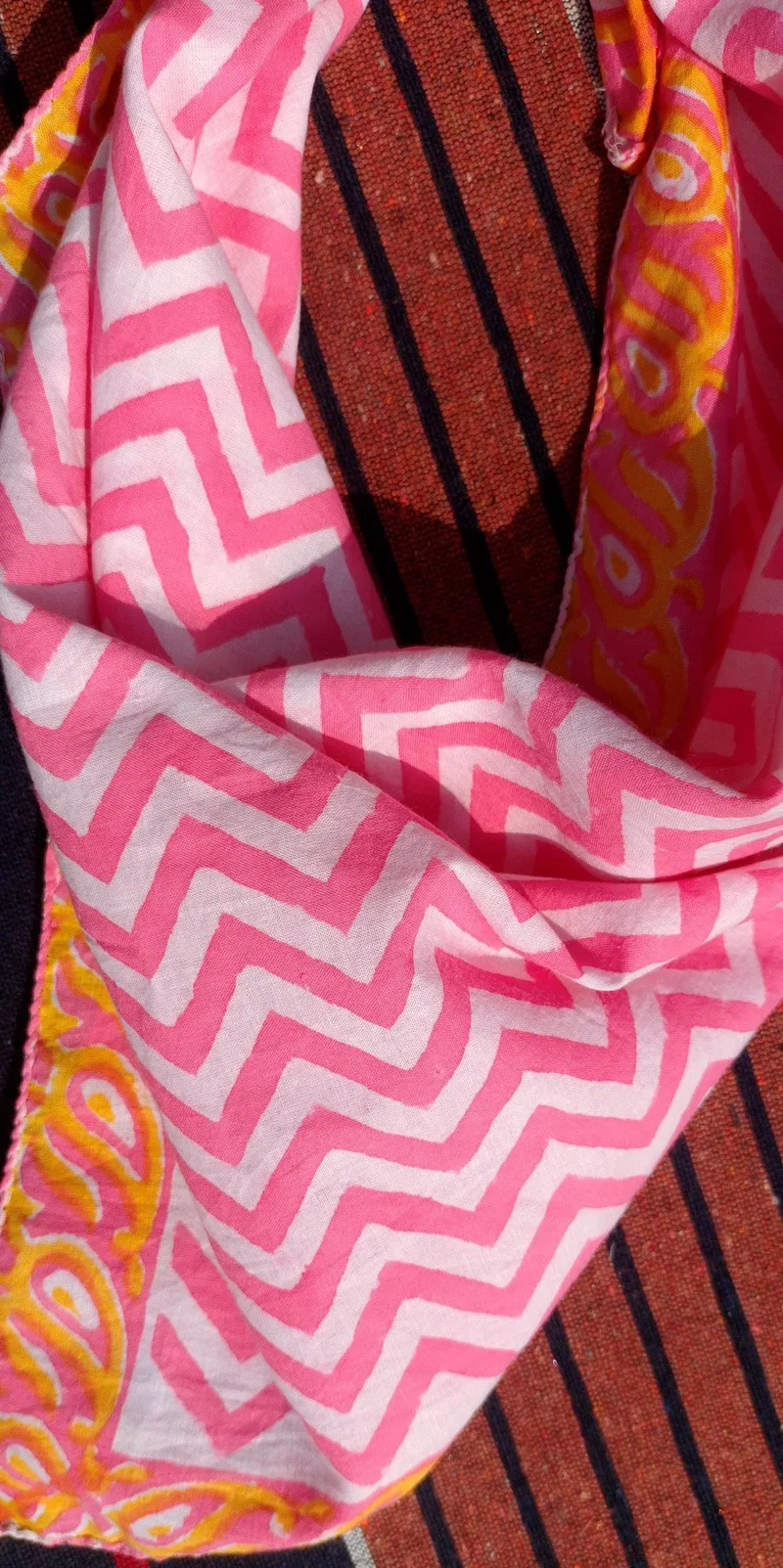
Quick: what size are your father's hands? Your sister's? Nobody knows — including, usually, the people attached to the hands. Winter accessories, alongside wider cold-weather clothing, have a reputation as the easy, safe gift, the thing you buy when you've run out of ideas. And yet drawers everywhere hold the counter-evidence: scarves too scratchy to touch a neck, gloves that never fit, hats stretched or swimming.
The failures trace back to two quiet decisions most shoppers never consciously make: sizing and fiber. Get those two right and a winter accessory becomes the rare gift that's used two hundred days a year. Get them wrong and you've bought drawer inventory. Both decisions turn out to have reliable rules, and neither requires knowing the recipient's measurements — as long as you're willing to choose the right kind of item.
The Short Answer
When you can't measure, climb down the sizing ladder: fitted leather gloves need a real measurement, hats and stretch-knit gloves are nearly universal, and scarves, shawls, and wraps have no size at all. Put the budget into fiber, not branding — merino or cashmere for anything touching skin, honest wool blends for everything else. If you want one default answer: a generously sized wrap in a genuinely soft fiber is the safest winter gift there is.
The Sizing Ladder
Rank every winter accessory by how much sizing information it demands, and only climb as high as the information you actually have. At the bottom, risk-free: scarves, shawls, and wraps — no size exists, and drape forgives everything. One rung up: beanies and stretch-knit gloves, which fit nearly everyone but the outliers. Another rung: gloves sold in S/M/L, a genuine guess unless you've seen their hands next to yours. At the top: fitted leather gloves, which are glorious when right and useless when wrong — a half-size off and they either cut circulation or bunch at every fingertip.
If you're set on fitted gloves, get real data. The reliable covert methods: borrow a glove they already own and check the size stamped inside, or trace its outline; or measure around the dominant hand's knuckles, excluding the thumb — that circumference in inches maps roughly onto numeric glove sizing. If none of that is possible, drop down the ladder without guilt. A beautiful wrap outranks ill-fitting leather every time, which is why the sizeless end of accessories is where gift shoppers should spend most of their attention.
Fiber Does the Work
The tag matters more than the pattern, because fiber determines whether the thing gets worn or flinched away from. Merino is fine-fibered sheep's wool: soft enough for most people to wear against the neck, breathable, and good at regulating temperature rather than just trapping heat. Cashmere is warmer for its weight than ordinary wool and remarkably light, which is why a thin cashmere scarf outperforms a bulky one of coarser fiber — but it's delicate, and it demands gentle care. Lambswool is lofty, warm, and friendlier to the budget; some people feel a slight tickle from it next to bare skin, which makes it better over a collar than under a chin. Acrylic is the honest budget option: it holds bright color well and costs little, but it breathes poorly and tends to pill with wear — fine for hats, kids, and anything likely to be lost. Wool of any kind has one quiet superpower worth remembering: it keeps insulating even when damp, which is exactly the condition winter provides.
Blends are not a scam; a wool-acrylic blend trades some warmth for durability and price, and often suits daily-abuse items like commuter gloves. What deserves suspicion is fiber language with no percentages behind it.
What to Look For (and What to Skip)
Look for:
- Fiber content stated plainly, with percentages. "100% merino wool" is information; "luxurious feel" is not.
- Next-to-skin softness for anything worn at the neck — merino, cashmere, or a soft blend.
- Generous dimensions on scarves and wraps; a large wrap doubles as a travel blanket and an office layer, which multiplies how often it's used.
- Linings in gloves — fleece or wool — and touchscreen-compatible fingertips for anyone who uses a phone outdoors.
- Care instructions the recipient will actually follow. If they will never hand-wash, delicate fibers are a burden dressed as a luxury.
Skip:
- "Cashmere-touch," "wool-feel," and similar phrasings — that vocabulary exists to describe acrylic without saying acrylic.
- Fitted leather gloves without a size source. Hope is not a measurement.
- Scratchy novelty knits bought for the joke pattern; the joke is worn once, the itch is permanent.
- Very pale colors for daily commuters — light gloves and scarves show every day of real use.
- Bulk as a proxy for warmth. A thick, coarse scarf is often colder than a thin, fine one; fiber, not volume, does the insulating.
Where the Money Goes
At the entry tier, acrylic and blends cover hats, kids' sets, backup pairs, and anything with a high chance of being left on a train — a completely honest tier as long as the label is honest too. The solid middle tier is where daily-wear gifts should live: merino scarves, lambswool knits, lined leather gloves. This is the tier where the recipient can feel the difference every single morning, which makes it the best value in the category — and a natural hunting ground for Christmas gifts that need to feel substantial without being extravagant. The heirloom tier is cashmere and finely woven wraps: decade-long possessions that reward care and deserve a care note tucked into the gift. Across all tiers, the rule holds: money shows up in hand-feel and warmth-per-weight. It does not show up in logos.
Finishing Touches That Solve Real Problems
A wrap or shawl sometimes stalls on the question of how to wear it — a scarf pin or brooch answers it, turning loose fabric into a fastened, deliberate piece, which is why pairing the two makes a stronger gift than either alone; the catalog picks under this story pair up the same way. A care note does similar quiet work: wool's great enemy is the washing machine, since heat plus agitation felts it into a dense, shrunken version of itself, and one line — "hand wash cool, dry flat" — protects the gift for years. Presentation-wise, fold rather than cram: a soft accessory arriving creased into a too-small box undercuts the entire point of softness. Whether you're shopping gifts for her or gifts for him, these small additions cost almost nothing and fix the two most common post-gift failures: not knowing how to wear it, and ruining it in the first wash.
Mistakes People Make
- Guessing at fitted-glove sizes. Fix: get a measurement from a glove they own, or drop down the sizing ladder to stretch knits or sizeless pieces.
- Trusting "cashmere-feel." Fix: read the fiber content line; if there are no percentages, assume acrylic and price your expectations accordingly.
- Choosing pattern first and itch last. Fix: fiber first, always. The most beautiful scarf in the world gets abandoned if it prickles.
- Gifting delicate fiber with no care information. Fix: include a one-line care note. A single machine wash can felt and shrink wool beyond recovery.
- Equating bulk with warmth. Fix: judge warmth by fiber quality, not thickness — fine merino and cashmere insulate more per ounce than coarse heavy knits.
How do I find out someone’s glove size without asking?
Check a glove they already own — the size is usually stamped or tagged inside — or trace its outline when you have a quiet moment. Failing that, measure around their dominant hand at the knuckles, excluding the thumb; that circumference in inches maps roughly to numeric glove sizes. If none of this is possible, choose stretch-knit gloves or drop to a sizeless item entirely. An ill-fitting fitted glove is worse than no glove.
Is cashmere worth it as a gift?
For the right recipient, yes — it delivers more warmth for less weight than ordinary wool, feels immediately luxurious, and reads as a considered gift rather than a default one. The caveats: it's delicate, it demands gentle washing, and it rewards someone who will care for it. For a recipient who machine-washes everything, fine merino is the wiser luxury — most of the softness, far more forgiveness.
What is the safest winter accessory to gift?
A generously sized wrap or shawl in a genuinely soft fiber. It has no size, suits any age and style, layers over office wear and weekend wear alike, and doubles as a travel blanket — utility that keeps it in rotation year-round. Choose a neutral color in merino, cashmere, or a soft blend, and it fits nearly anyone on your list. Scarves run a close second on the same logic.
Are acrylic scarves a bad gift?
Not inherently — acrylic is an honest budget fiber that holds color brilliantly and survives abuse, making it right for kids, backup pairs, and anything likely to be lost or machine-washed. It becomes a bad gift only when it's disguised as something finer with "wool-feel" language, or when it's worn directly against sensitive skin, where its poor breathability shows. Buy it knowingly, label it honestly, and it serves well.
Reviews & comments
See every public review for this Journal story and leave your own note.