 All stories


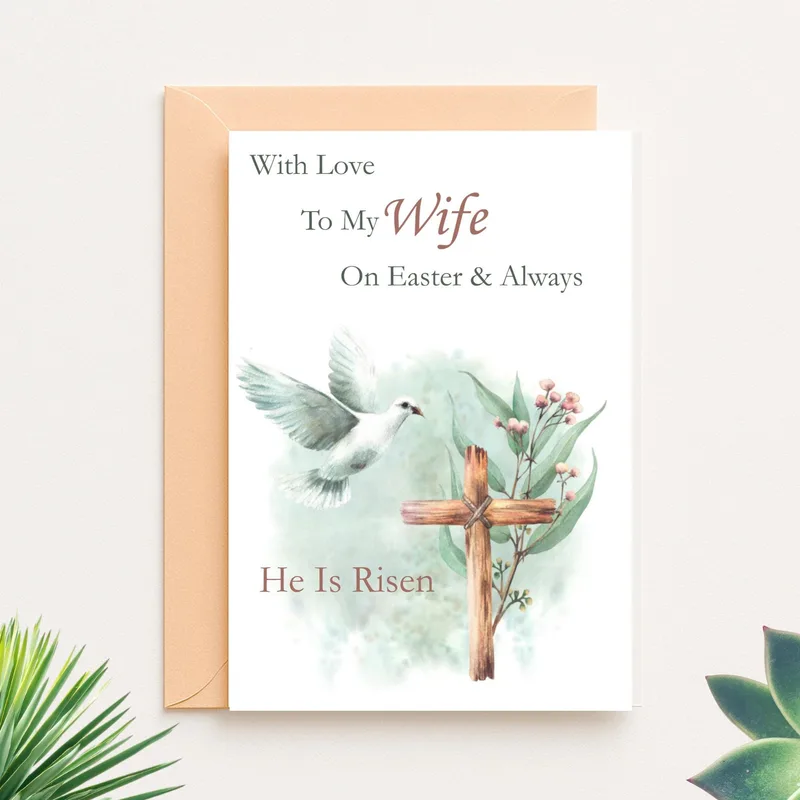
Almost everyone has stood holding a pen over a blank card, fully aware of what they feel about the person, and written "Happy birthday! Hope it's a great one!" anyway. The problem is rarely a lack of feeling; it is that a blank card offers no structure, and under mild time pressure we all reach for the same prefabricated phrases. The result is that most gift cards say nothing, which is a quiet waste, because the card is often the only part of a gift that gets kept.
Ask people what they have saved in a drawer or a shoebox and it is rarely the gifts themselves. It is the notes. That should change how much attention the card gets relative to the wrapping. The good news is that writing a specific, warm message is a learnable structure, not a talent.
Why Generic Messages Happen to Sincere People
Generic card messages are not a sign of shallow feeling; they are a sign of writing in the wrong order. Most people start with the occasion ("Happy birthday") and then try to inflate it, which only produces bigger generic phrases: wishes, blessings, greatness. The fix is to start with the person instead of the occasion. Before writing anything, spend thirty seconds answering one question: what is one specific, true thing about this person or your history with them that you are glad about? A memory, a habit of theirs you admire, a moment this year they handled well. Once you have that single concrete thing, the card nearly writes itself, and the occasion greeting becomes the frame rather than the content.
A Three-Part Structure That Always Works
If you want a repeatable method, this one covers nearly every occasion in three or four sentences.
- Start specific: name a real moment, memory, or detail. "I still think about the toast you gave at Dana's wedding" or "You were the first person I called when the job fell through."
- Say what it means: connect the detail to a quality of theirs or to what they mean to you. "That's you in a sentence: showing up before anyone asks."
- Look forward: a wish or hope that fits them specifically, not humanity in general. "I hope this is the year the garden finally beats the rabbits."
- Sign off in your actual voice, whether that is warm, dry, or teasing. The sign-off should sound like you talk.
Specific, meaning, forward. Three sentences produced this way will beat three paragraphs of borrowed sentiment every time, and the structure works whether the card sits on birthday gifts, a wedding present, or a box of cookies.
Adjusting for the Occasion
The structure holds across occasions; what changes is the register. For birthdays, mine the past year specifically: something they did, survived, or built. For weddings, resist the urge to write about marriage in the abstract, which is where cliches live; write about the couple you have actually observed, ideally the moment you first realized they fit. For anniversaries, especially your own, one concrete memory from the early days plus one from this year quietly makes the point that the story is still being written; it does more than any quote, and it suits anniversary gifts of any size. For graduations, name the effort you watched, not just the achievement. For sympathy cards, shorter and truer is better: one memory of the person who died is worth more than every available phrase about sorrow, and "I don't have the right words, but I'm here" is honest in a way that borrowed comfort is not.
What to Leave Out
A few habits reliably drain card messages, and cutting them improves everything else. Skip quotation-book material; a borrowed profundity signals that you outsourced the thinking. Skip apologies about the card or the gift ("sorry this is late," "it's not much"), which spend the reader's attention on your anxiety instead of your affection. Skip inflation you do not mean; if "you're the most amazing person I've ever met" is not literally true, it reads as filler, while "you're the person I'd call from a ditch at 3 a.m." might be both true and better. And skip summarizing the gift ("hope you enjoy the mug"). The card's job is to say what the gift cannot, not to caption it.
One true sentence in your own voice is worth the entire greeting-card industry.
Short Is Fine; Illegible Is Not
Length anxiety keeps many cards generic; people pad toward some imagined minimum. There is none. A two-sentence message with one real detail in it is complete. What does matter is that it is handwritten, in your handwriting, even if that handwriting is bad; a printed or dictated note loses most of its intimacy in exchange for legibility, which is a poor trade. Write a draft on scrap paper first if the card is expensive or the message matters; it removes the pressure of writing final copy cold. And date the card somewhere. Notes get kept for decades among people's gifts and mementos, and a date turns a kept card into a record.
When the Card Is the Whole Gift
Sometimes the honest situation is that no object can carry what you want to say: a mentor retiring, a friend who got you through a hard year, a parent's milestone birthday. In those cases, promote the card. A real letter, one page, built from the same structure (specific, meaning, forward) but given room to breathe, is a legitimate gift on its own, and frequently the one remembered longest. If you want it to feel more like an object, pair it with something small and personal rather than something expensive, in the spirit of the better personalized gifts: the letter carries the weight, and the object marks the occasion. People who receive a letter like this tend to mention it years later; almost no one mentions a gift basket years later.
What should I write in a gift card instead of "hope you like it"?
Say why you chose this gift for this person: the moment you saw it and thought of them, the problem it solves, or the memory it connects to. One sentence of reasoning turns the object into evidence that you know them. Then add one line about the person themselves, unrelated to the gift, which is usually what makes the card worth keeping.
How long should a gift card message be?
Two to four sentences is enough for almost any occasion, provided at least one of them contains something specific: a real memory, detail, or observation about the recipient. Length adds nothing on its own. A short, concrete message beats a long, general one every time. For milestone occasions where you have more to say, write a separate letter and let the card be brief.
What should I write in a card when I don't know the person well?
Stay honest about the relationship and be specific about what you do know: thank them for a particular kindness, mention something you have observed them do well, or connect over the shared context, like the workplace or the friend you have in common. "I hear the best stories about you from Sam" is warmer and truer than borrowed intimacy, and it acknowledges the connection without overstating it.
Is it okay to write a funny message in a gift card?
Yes, if humor is genuinely part of your relationship; a card that sounds like your actual voice always beats a formal one that does not. The reliable pattern is a joke followed by one sincere line, so the humor opens the door and the sincerity walks through it. Avoid jokes that need explaining and anything teasing a sensitivity, since cards get reread without you there to soften them.
Reviews & comments
See every public review for this Journal story and leave your own note.