 All stories
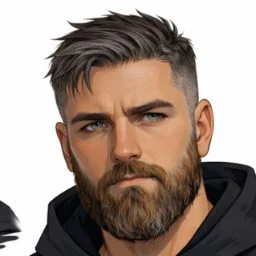

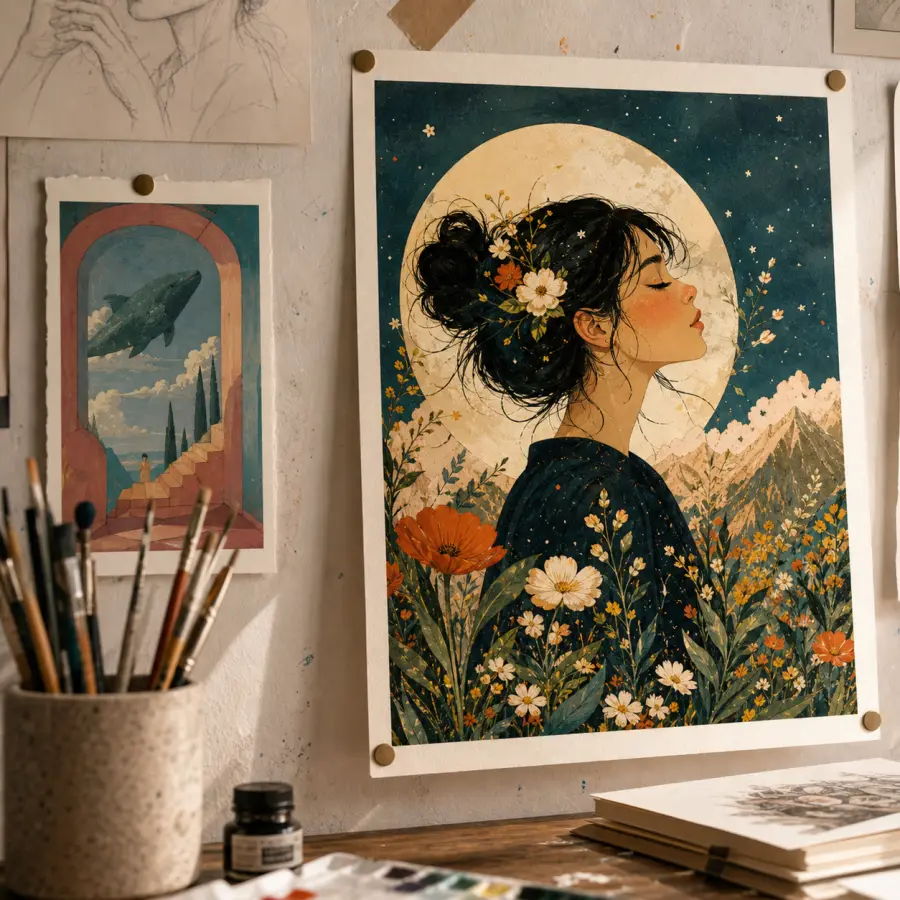
You place an order for a custom portrait, upload a few photos, write a short note about what you want, and then — nothing. Days pass before a first draft appears. From the outside, that silence can look like your order sitting in a queue. From the inside, it is usually the busiest part of the entire commission: the stage where the artist does the thinking that determines whether the finished piece will actually look like the people in it.
Understanding what happens in that gap does two useful things. It explains timelines that might otherwise feel slow, and it shows you exactly where you, as the buyer, have the most influence over the result — which is almost entirely at the beginning, before a single line is drawn.
First, the Artist Reads Everything
A commission starts with study, not drawing. The artist reads your brief and examines every reference photo you sent, looking for the information the piece will need: how faces are lit, which photo shows the truest expression, whether the references even agree with each other. Photos taken years apart, or with heavy filters, or at odd angles can quietly describe different-looking people, and the artist has to decide which version is the one you mean. This is also when gaps surface. If the brief says include the dog but no photo shows the dog clearly, or two people need to appear together but exist only in separate photos, the artist either writes back with questions or makes judgment calls. Every question asked at this stage is cheaper than a revision later, which is why good artists front-load them.
Likeness Is Studied, Not Traced
A common assumption is that working from a photo means copying it. In practice, likeness is an act of interpretation. A face is recognizable because of its proportions and its characteristic expressions — the specific relationships between features, the way a smile actually sits on that particular face — and a portrait fails when it copies pixels but misses those relationships. So the artist studies the references to understand the face rather than to trace it: what makes this person look like themselves across different photos, angles, and ages. This matters double for caricatures, where features are deliberately exaggerated; you can only push a likeness further while keeping it recognizable if you first understand precisely what carries the resemblance. It matters for pet portraits too — animals have unmistakable individual expressions, and owners notice instantly when a portrait shows a generic dog instead of their dog.
Composition Is Decided Before Drawing Starts
Before any real drawing, the artist settles the architecture of the piece: how figures are arranged, where faces sit within the frame, what the background does, where the eye should land first. Several practical constraints feed into this.
- The final format: a piece destined for print at a certain size, or for a canvas, shapes how it must be composed.
- The number of subjects: two faces compose differently from six, and group pieces need every face readable.
- Requested details: a hobby, a setting, a pet — each needs a place that supports the piece instead of cluttering it.
- The style's own rules: a playful caricature and a formal portrait distribute space and emphasis differently.
Buyers rarely see this stage directly, but they live with its results more than any other. Most of what makes a finished piece feel right — balanced, readable, focused on the faces — was decided here.
Calibrating Style to the Request
Artists sell work in a style for a reason: it is the thing their samples advertise and their hand reliably produces. But every commission still requires calibration within that style. How much exaggeration suits this face and this recipient — a gentle nudge or a full caricature? Does the mood of the brief call for warm and soft or crisp and graphic? If the piece is a gift for a milestone, does it lean celebratory or timeless? A skilled artist reads these cues from your brief and from the occasion you mention, which is one more reason a sentence like this is for my parents' anniversary, they are gentle people who will hang it in the living room is worth more than a paragraph of technical instructions. The clearer the emotional target, the better the calibration. This is the heart of what makes commissioned work different from the rest of personalized gifts: the piece is tuned to its recipient by a person making judgment calls on your behalf.
The Sketches You Will Never See
Between all this preparation and the draft you eventually receive, there is usually a layer of rough work that never leaves the studio: thumbnail sketches testing arrangements, quick studies of a face from different references, first passes where the likeness has not clicked yet. Artists discard their own attempts constantly — it is the normal texture of the work, not a sign of trouble. The draft you finally see is not the first thing the artist made; it is the survivor of that process, shown to you only once it is strong enough to be worth your reaction. This is also why the gap before a first draft does not compress well. The visible drawing might be fast; the getting-it-right is not.
Why This Process Protects You
Everything above is why custom work runs on proofs and lead time rather than instant delivery. The draft stage exists so that you can react to something concrete — that is his smile, but the hair is from ten years ago — while changes are still cheap to make. Your feedback is most useful when it is specific and anchored to the references: name the photo that shows what you mean, describe what feels off in plain words, and trust the artist to translate. And because study, composition, drafting, and revision each take real time, a commissioned piece from portraits and custom art should be ordered with weeks of margin before the date that matters, not days. The silence after you order is not your commission waiting. It is your commission being figured out.
Why does a custom portrait take days before the first draft?
Because the draft is the end of the invisible stage, not the start of the work. The artist first studies your references, resolves conflicts between photos, asks clarifying questions, plans the composition, and works through rough sketches that never leave the studio. The draft you see is the survivor of that process, shown once it is strong enough to be worth your feedback.
What makes a good reference photo for a custom portrait?
Clear, well-lit, recent photos where the face is sharp, unfiltered, and shown at a natural angle. Provide a few images so the artist can see what stays consistent across them — that consistency is the likeness. If the piece includes multiple people or a pet, supply a clear photo of each subject, and say which photo best captures how each person really looks.
What should I include in a custom portrait brief?
The occasion, the recipient, and the feeling you want the piece to carry, plus any specific details to include — a pet, a hobby, a meaningful setting. Point to the reference photo that best captures each person. Emotional context helps the artist calibrate style more than technical instructions do; a sentence about who the piece is for often shapes the result most.
Can I ask for changes when the draft arrives?
Yes — the draft stage exists precisely so you can react while changes are still easy. Most artists include a reasonable round of adjustments; check the listing for specifics before ordering. Make feedback concrete and anchored to references: name the photo that shows what you mean and describe what feels off in plain words, then let the artist translate that into the drawing.
Reviews & comments
See every public review for this Journal story and leave your own note.