 All stories


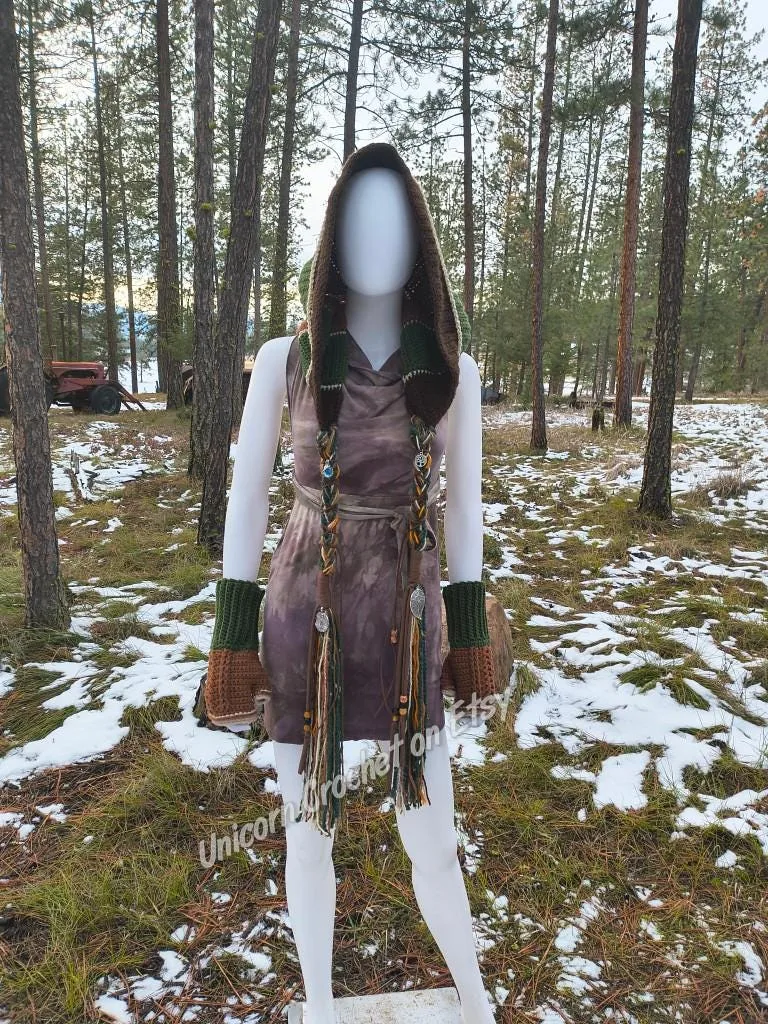
Asking a small shop to make something that doesn't exist yet can feel presumptuous, like you're requesting a favor rather than placing an order. So plenty of shoppers never ask at all. They scroll past the "message me about custom work" line, settle for the closest ready-made option, and wonder afterward whether the thing they actually pictured was possible. It usually was.
The truth is that custom requests are ordinary business for most small shops. Many makers build their week around them. What separates a smooth custom order from a frustrating one is rarely the maker's skill; it's the quality of the conversation at the start. Here is what that conversation looks like from the other side of the counter, and how to hold up your end of it well.
What a Custom Request Looks Like From the Maker's Side
When your message arrives, a maker is quietly answering three questions before anything else: can I actually make this, does it fit in my current schedule, and does this person know what they want. A request that answers all three up front gets a fast, confident reply. A vague one ("could you do something for my mom's birthday?") kicks off a long back-and-forth that costs the maker unpaid time before any order exists, which is why vague messages sometimes get slow or cautious answers. It isn't rudeness. It's a one-person business protecting the hours it runs on.
It also helps to remember that a custom order is a small project, not a purchase. There will be a brief, possibly a sketch or proof, maybe a revision, then production and shipping. Each stage takes calendar days even when the working time is short.
Before You Message: Get Specific With Yourself First
The best thing you can do for a maker happens before you type anything. Decide what you actually want at the level of concrete detail. Not "something personalized for my sister," but "a small framed illustration of her dog in her new kitchen, as a housewarming gift, by the first weekend of next month." If you can't get that specific yet, browse until you can. Looking through portraits and custom art or a maker's existing listings is the fastest way to move from a mood to a request, because you can point at real examples: this style, this size, this level of detail.
While you browse, save the specific pieces that made you stop scrolling. Two or three saved examples communicate more than a paragraph of adjectives ever will.
How to Write a Request a Maker Can Say Yes To
A good first message is short and answers the questions the maker will ask anyway. Aim for something like five sentences covering:
- What you want, in one plain sentence, including the occasion.
- Who or what it depicts or involves, and whether you have good reference photos.
- Which of their existing pieces is closest to what you're imagining.
- Your deadline, stated as a date, with honesty about whether it's firm.
- Your rough budget, even as a range.
That last one makes some buyers flinch, but naming a budget doesn't weaken your position; it saves both of you from designing something twice. A maker who knows you're working with a modest budget can immediately suggest the version of the idea that fits it, like a smaller size, a digital file instead of a framed print, or a single-person caricature instead of a full family scene.
Expect a Proof, and Give Feedback That Helps
Most custom processes include a proof stage, where you see a draft before the piece is finalized. This stage exists for you, so use it honestly. If something looks off, say so now, not after delivery. The useful skill here is describing the problem rather than dictating the fix: "the smile reads a bit stern compared to the photo" gives the artist something to work with, while "redraw the mouth" may not address what's actually bothering you.
Two habits make you a favorite customer at this stage. First, consolidate your feedback into one message instead of five separate corrections over two days. Second, distinguish between "this is wrong" and "I've changed my mind." Fixing a likeness is part of the job; redesigning the concept after approval is a new request, and it's fair for a maker to charge for it.
Timelines: Ask Early, Then Add a Cushion
Custom work is queued behind other custom work, so the maker's lead time matters more than the shipping speed. Ask about turnaround in your first message, and then, privately, add a cushion of at least several days to whatever answer you get. Proofs need your response, revisions take a round trip, and shipping has bad weeks. If your date is genuinely close, say so up front and ask directly whether it's realistic rather than hoping. Some makers offer rush options; others will honestly tell you no, which is far better than a missed birthday. And if you've truly run out of runway, a ready-made pick from last-minute gifts paired with a custom order that arrives later is a perfectly graceful move.
When the Answer Is No
Sometimes a maker declines: the request is outside their style, their queue is full, or the budget and the idea don't meet. Take the no gracefully and, if you liked their work, ask whether they can suggest a direction, a smaller version, or a better time of year to ask again. Makers know their corner of the market well, and a shop that turns you down today often becomes the shop you commission twice next year, precisely because they were straight with you.
The shoppers makers remember fondly aren't the ones with the biggest budgets. They're the ones who knew what they wanted, answered messages promptly, and treated the process like a collaboration.
How far in advance should I request a custom order?
Ask the maker for their current turnaround before assuming anything, since queues change with the season. As a rule of thumb, start the conversation several weeks before you need the finished piece, and longer around major holidays. That leaves room for the brief, a proof, one round of revisions, and shipping, without anyone having to rush the part of the work you're actually paying for.
Is it rude to ask a maker about their price for custom work?
No. Price questions are a normal, expected part of every custom conversation, and makers would rather discuss money early than discover a mismatch after hours of unpaid planning. The more helpful move is to share your own budget range at the same time you ask, so the maker can immediately tell you what's achievable within it instead of quoting blind.
What should I include in a first message to a small shop?
Cover five things in a few sentences: what you want, who or what it involves, an example of their existing work that's closest to your idea, your deadline as a real date, and your rough budget. Mention whether you have good reference photos if the piece depicts a person or pet. That's enough for a maker to reply with a clear yes, a price, and a timeline.
Can I ask for changes if the custom piece doesn't look right?
Usually yes, within reason. Most custom processes include a proof stage, and reasonable adjustments at that stage are part of the service. Describe what feels off and compare it to the reference rather than prescribing the fix. Keep in mind the difference between correcting the piece and changing the brief; a full change of direction after approval is fairly treated as new work.
Reviews & comments
See every public review for this Journal story and leave your own note.