 All stories


Most people carry thousands of photos in their pocket and print none of them. That gap is exactly why photo gifts work: taking an image out of the endless scroll and giving it physical form is itself an act of curation, a statement that this moment, out of all of them, deserved to exist as an object. The recipient almost never has a printed version of even their most treasured photos, which means a photo gift is simultaneously personal and genuinely novel.
The catch is that "photo gift" covers everything from a drugstore print to a commissioned painting, and choosing the wrong form for the photo, or the wrong photo for the form, is where these gifts go flat. The decisions worth making carefully are which image, which format, and how much time you have.
Choose the Photo Before You Choose the Product
The instinct is to pick a product first and then hunt for a photo to fill it. Work in the other order. Start by asking which image would actually mean something to this person: the candid from the trip they still talk about, the last photo with a grandparent, the dog mid-leap, the blurry-but-beloved shot from the wedding dance floor. A technically perfect photo of a forgettable moment makes a forgettable gift; a meaningful image carries almost any format. Scroll their shared albums, ask a family member, or think about which photo they already use as a lock screen, since that is usually a direct signal. Only once you have the image should you ask what form suits it.
Prints and Framing: The Understated Default
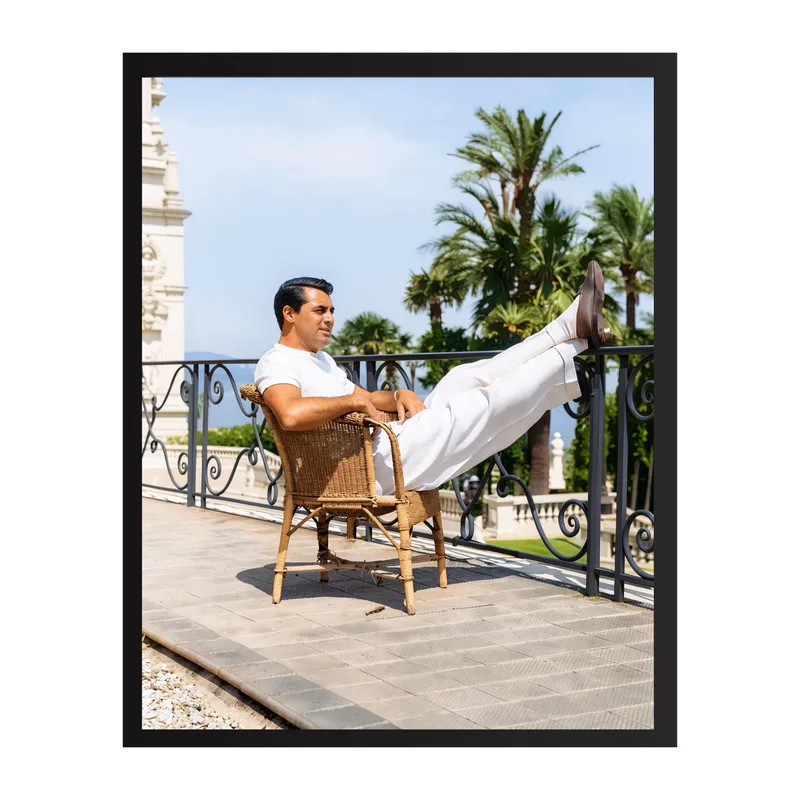
A single photo, printed well and framed properly, remains the most reliable photo gift, and the one most likely to be displayed rather than stored. The upgrade from a casual print to a gift-worthy one is mostly about three choices: print size matched to where it might hang, paper quality (matte finishes are forgiving and look more intentional than gloss), and a real frame with a mat, which instantly signals that the image is art rather than a snapshot. One strong image, framed, beats a scattering of small prints. If you know the recipient's home, match the frame to it; if you do not, simple wood or black frames sit comfortably in the home decor of nearly any room. The gap between what this costs and how substantial it feels is one of the best ratios in gifting.
Photo Books: For Stories, Not Singles
A photo book is the right form when the gift is a narrative rather than a moment: a year of a child's life, a trip, a friendship, a retirement's worth of memories. The common mistake is including too much. A book with eighty near-duplicate images reads like an unedited camera roll; a book with thirty chosen ones reads like a story. Sequence matters more than software: put images in an order that builds, write short captions in your own voice where you have something to say, and leave pages breathing room. Photo books take real evenings to do well, so they belong firmly in the planned-ahead category rather than the last-minute one. Started early, they become the kind of gift that gets pulled off the shelf for years.
Custom Art: When a Photo Becomes a Portrait
The most transformative option is commissioning art based on a photo: the image stops being a reproduction of a moment and becomes an interpretation of a person. This is the territory of portraits and custom art, and it ranges in tone from faithful portraiture to playful caricatures that exaggerate what everyone already loves about someone. The process on JediPic is order-based: you supply one or a few reference photos, choose a style and format, and brief the artist on details worth including, like a pet, a hobby, or a meaningful setting. Most orders include a proof stage, so you can request adjustments before the final piece. Custom art suits milestones especially well: an anniversary couple drawn from their wedding photo, a family caricature that finally gets everyone, pets included, into one frame, or a portrait of a grandparent from a photo the family treasures. Because an artist works on it, lead time is real; order well before your date, not the week of.
Photos on Objects: Handle With Restraint
Mugs, calendars, puzzles, blankets, ornaments, phone cases: photos can be printed on nearly anything, and this category divides sharply into charming and clutter. The test is whether the object would be used anyway. A calendar is used daily and earns its place; a photo puzzle suits a family that actually does puzzles; a mug with the grandkids on it will be genuinely loved by a grandparent who drinks tea every morning. What misses is the object chosen only because it can carry a photo, which tends to feel like merchandise of someone's own life. One well-chosen photo object beats several, and pairing a small one with a card explaining the photo's story elevates it considerably, in the same way the best personalized gifts lead with meaning rather than surface.
Get the Source Photo Right
Every photo gift inherits the quality of its source image, so a few practical checks prevent disappointment. Use the original file, not a screenshot or a version compressed by a messaging app; resolution that looks fine on a phone can print soft at larger sizes. For custom art commissions, artists work best from clear, well-lit photos where faces are fully visible; heavy shadows, sunglasses, and busy backgrounds all make likeness harder. If the only version of a treasured old photo is a print, scan it or photograph it flat in bright, even light. And if you are extracting photos from someone else's albums for a surprise, quietly recruit a family member with access; they can usually supply both better images and better context.
What is the best photo gift for someone who has everything?
A photo they do not have in physical form, which is almost every photo they love. A framed print of a meaningful candid, or a commissioned piece of custom art based on a favorite photo, cannot be duplicated or already owned by definition. For these recipients the value is the curation and interpretation, not the object, which is exactly what mass-produced gifts cannot offer.
How far in advance should I order custom art from a photo?
Start well before your deadline, ideally a few weeks or more. A commission involves choosing a strong reference photo, briefing the artist on style and details, and reviewing a proof, with time for adjustments before the final piece is produced and, if physical, shipped. Prints and photo objects have shorter turnarounds, but anything an artist works on by hand needs honest lead time.
What makes a photo good enough for a custom portrait or caricature?
Clear, well-lit, and sharp, with the face fully visible and not obscured by sunglasses, deep shadow, or motion blur. Original files beat screenshots and messaging-app compression. The photo does not need to be professional; it needs to show what the person actually looks like. When in doubt, send the artist two or three options and let them choose the strongest reference.
Is a photo book or a framed print the better gift?
A framed print suits a single defining image and gets displayed; a photo book suits a story told across many images and gets revisited. Choose the print when one moment says everything, and the book when the meaning lives in the sequence, like a year, a trip, or a lifetime. If you are short on time, the print is also far faster to do well.
Reviews & comments
See every public review for this Journal story and leave your own note.