 All stories


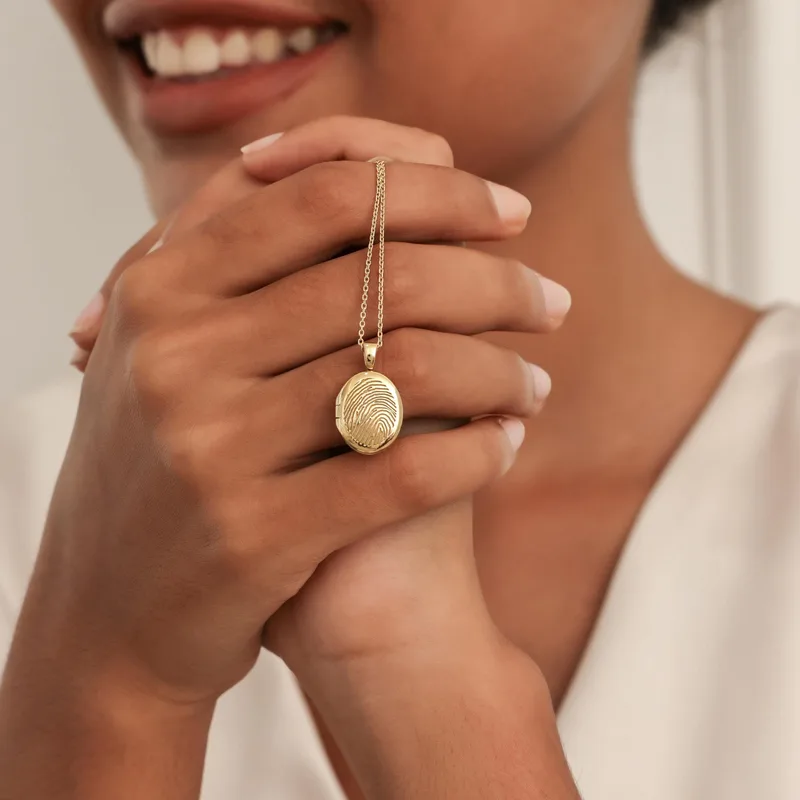
When someone you care about is grieving, finding the right gift can feel harder than almost any other kind of gift-giving. There's no occasion to celebrate, no obvious category to shop from, and a real fear of getting it wrong at a moment when it matters most. The good news is that the bar for a good sympathy gift is simpler than it seems: it doesn't need to fix anything or say the perfect thing. It just needs to show up quietly, without asking anything of the person receiving it.
What Actually Comforts
The gifts that tend to mean the most in grief aren't the ones that try hardest to say something profound — they're the ones that make an ordinary moment a little easier, or that quietly acknowledge the person who was loved without demanding a reaction. A simple, well-made keepsake, a meal that saves someone from cooking on a hard week, or a small object connected to a memory tends to land better than anything elaborate or grand. Grief doesn't need more noise; it needs small, steady kindnesses. This is also why timing matters as much as the gift itself — a simple gesture in the first difficult weeks, and again months later when the initial wave of support has quieted, can both matter enormously.
Practical Support Is a Real Gift
In the early days after a loss, the most useful gifts are often the least ceremonial ones. Grieving families are frequently overwhelmed by logistics at exactly the moment they have the least capacity for them — meals, errands, childcare, or simply someone else answering the phone. If you're close enough to the situation, offering something concrete and specific ("I'll bring dinner Thursday," rather than "let me know if you need anything") tends to be far more useful than an open-ended offer, because it removes the burden of having to ask. A gift that provides this kind of practical relief, even something as simple as a grocery delivery or a cleaning service for a week, can matter more than any object.
Personalization Done Gently
Personalizing a memorial gift can be deeply meaningful, but it works best when it's subtle rather than the centerpiece of the gift. A name, a date, or a short, simple phrase engraved on something the person will actually use or keep nearby tends to feel like a quiet tribute rather than a display piece. Cremation and memorial jewelry is one option worth considering when you want something the person can carry with them, literally, in day-to-day life. The best personalized memorial gifts tend to reference something specific and true about the person who died — a favorite phrase, a meaningful date, a small detail only the family would recognize — rather than a generic sentiment that could apply to anyone.
Choosing Something Over Nothing, Without Overthinking It
It's easy to freeze up trying to find the "perfect" gift and end up sending nothing at all. A simple, sincere choice sent promptly is almost always better than an elaborate one sent late. If you're close to the person, a handwritten note alongside whatever you choose often carries more weight than the gift itself — the object is really just a way of saying you're thinking of them. If you're worried about overstepping, a modest and understated choice is always a safe direction; grief rarely resents a gift for being too simple.
What to Avoid
Skip anything that feels like it's trying too hard to explain or resolve the loss — sympathy gifts aren't the place for grand statements. Avoid overly bright or celebratory items, anything that requires the recipient to do something (assembly, upkeep, a response), and steer clear of generic condolence phrases if you're including a note; a simple, honest sentence in your own words means more than a card's pre-written line. It also helps to avoid gifts that presume too much about the person's beliefs or how they're processing the loss — grief looks different for everyone, and a gift built around a specific religious or spiritual framework may not fit every recipient. When in doubt, a more universal, understated choice is the safer path.
For the Home, Quietly
A small piece for the home can be a lasting, gentle way to honor someone's memory — something that sits quietly in a room rather than demanding attention. Look at home decor for simple pieces that could hold a photo, a name, or just a calm presence in a space the family spends time in. Items that serve a quiet daily function — a candle holder, a small dish for keys, a simple frame — tend to integrate into someone's routine more naturally than a purely decorative object that has no place to live.
When You're Not Sure What They'd Want
If you don't know the family well, it's completely reasonable to keep things simple and practical rather than deeply personal — a thoughtful, understated gift is never the wrong choice, even if it's not the most tailored one. Our broader gifts and personalized gifts collections include options at different levels of personalization, so you can choose something that matches how well you know the person and what feels appropriate for the relationship. When relationship distance is uncertain, err toward something simpler rather than something that assumes more closeness than you actually have.
Remembering Later, Not Just Right Away
Much of the support after a loss tends to arrive in the first week or two and then taper off, right around when the reality of the loss settles in for good. A quiet gesture weeks or months later — a note around what would have been a birthday, a small keepsake sent with no occasion attached at all — often means more precisely because it isn't expected. It tells the person that their loss hasn't been filed away by everyone else just because time has passed, which is frequently one of the harder parts of grief to sit with.
Supporting Children Through a Family's Loss
When a family with children is grieving, it's easy to focus gifts entirely on the adults, but children process loss differently and can benefit from their own small, gentle gesture — a simple keepsake, a comforting book appropriate to their age, or just being included when something is sent to the family rather than addressed only to the parents. Keep these choices simple and age-appropriate, and avoid anything that requires a child to process or explain their feelings; the goal is the same as it is for adults, a quiet acknowledgment rather than something that demands a response.
FAQ
Is it okay to send a gift instead of just a card?
Yes — a card is always appropriate on its own, and a small gift alongside it is a thoughtful addition, not a requirement. Choose based on your relationship and what feels natural, not obligation.
Should I ask the family what they'd want?
If you're close enough to ask gently, it can help, especially for something personalized. If not, a simple, understated gift is a safe and respectful choice.
Is personalized jewelry appropriate for someone who wasn't especially close to the deceased?
It's usually better suited to immediate family or very close friends; for others, a simpler gesture like a card, a meal, or a modest keepsake tends to feel more appropriately scaled.
How soon should I send a sympathy gift?
Sooner is generally better than perfect timing — a simple gift sent promptly means more than an elaborate one sent weeks later. It's also completely fine to send something later, even months on, as a quiet way of showing you still remember.
Is it appropriate to send a gift for the loss of a pet?
Yes, absolutely — grief for a pet is real grief, and a small, gentle keepsake or a simple note acknowledging the loss is entirely appropriate and often deeply appreciated, since pet loss is sometimes overlooked by others.
What if I'm not sure the gift will be welcome at all right now?
When in doubt, a brief, low-pressure note or card with no gift attached is always acceptable and never intrusive; you can always follow up with something more later once you have a better sense of what would help.
When you're ready, our gifts collection includes thoughtful, understated options for exactly these moments.
What is an appropriate sympathy gift?
An appropriate sympathy gift offers quiet comfort without demanding anything in return, so the grieving person can receive it easily. Gentle, practical, or lasting keepsakes work better than anything flashy or complicated. The aim is to show you're present and thinking of them, not to fix their loss. A sincere, simple message often matters as much as the gift itself.
What do you give someone who is grieving?
Give someone who is grieving something that eases their days or honors their loss without adding pressure. Comforting home items, lasting memorial keepsakes, or a heartfelt note all express care gently. Avoid gifts that require effort, decisions, or upkeep from them right now. The most meaningful gestures acknowledge the person they lost and let the grieving person know they're not alone.
Is memorial jewelry a good sympathy gift?
Memorial jewelry can be a deeply meaningful sympathy gift because it offers a lasting, personal way to keep a loved one close. It suits someone who finds comfort in tangible remembrance, though it's more personal than a general gift, so consider how close you are. When it fits, memorial jewelry becomes a quiet keepsake they can carry. Let their relationship to the person guide whether it feels right.
What should you avoid when giving a sympathy gift?
Avoid clichés, pressure, and anything that centers your own comfort over theirs. Skip gifts that demand a response, remind them of obligations, or arrive with hollow phrases about the loss. Grief has no schedule, so don't imply they should feel better or move on. Choose something gentle and sincere, and pair it with honest, simple words rather than platitudes.
Reviews & comments
See every public review for this Journal story and leave your own note.