 All stories


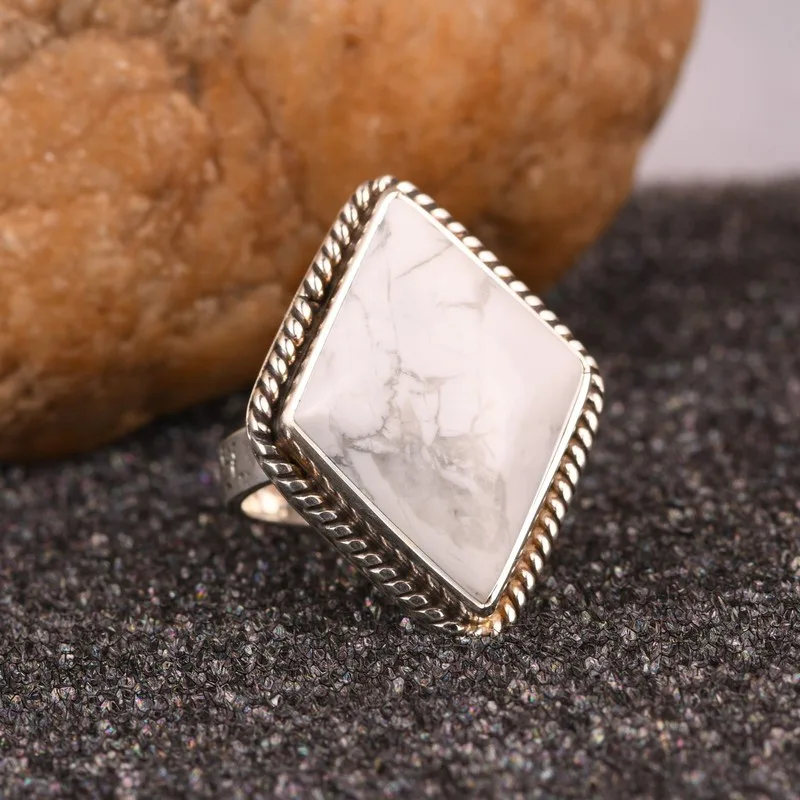
A gift from a small shop is not automatically better. That is worth saying plainly, because the phrase "handmade" has acquired a halo that skips the actual question: better at what? A mass-produced umbrella is a better umbrella than most handmade ones. What a small shop offers is something different, a made object with a person behind it, and for certain gifts, the important ones, that difference is precisely the point.
Where people go wrong is treating "small shop" as a vibe instead of a decision. They fall for a beautiful photo, skip the listing text, and then are surprised when a made-to-order piece takes three weeks to ship, or when the "silver" ring turns out to be plated alloy. The shoppers who consistently do well with makers read listings the way an editor reads a manuscript: closely, and with an eye for what is not said. This article is about developing that eye.
The Short Answer
Choose a small shop when the gift's meaning depends on who made it or on it being made for one specific person; choose mainstream retail when reliability and specification matter more than story. Before ordering from a maker, verify three things in the listing: materials named precisely, a stated production time that clears your deadline, and photos of the actual work rather than renders. Message the shop before ordering anything custom. The picks under this story show the range, from wearable to heirloom.
What a Small Shop Actually Sells
Strip away the romance and a maker sells three concrete things a factory cannot. First, provenance: the answer to "where did this come from?" is a person with a name, which turns the object into a story the recipient can retell. Second, deviation: small shops profitably make things mass production cannot justify, odd sizes, unfashionable techniques like hand-oxidized silver, a carving based on your photograph. Third, accountability at human scale: the person who answers your message is usually the person at the workbench.
Notice what is not on that list: perfection. Handmade work carries tool marks, slight asymmetries, natural variation in stone and grain. On our desk we read this as a feature, the proof of hand, but it is worth knowing your recipient. Someone who wants machined flawlessness will be happier with machined goods, and there is no shame in that.
When a Maker Is the Right Call, and When It Is Not
A simple framework: the more the gift's meaning depends on specificity, the stronger the case for a small shop.
Strongest case: the gift is literally about the recipient. A relief carving made from a family photo, a portrait commissioned from portraits and custom art, jewelry sized and finished to one person's taste. Mass production cannot compete here at any price, because the product does not exist until the maker builds it around your person.
Strong case: the gift is a signature object, something the recipient will use daily and identify with, like a leather notebook or a piece of everyday jewelry. Here the maker's advantage is character and material honesty rather than uniqueness.
Weak case: the gift is a commodity with a spec sheet, electronics, appliances, anything where warranty and standardization are the value. Also a weak case: you need it in two days. Made-to-order and rush deadlines are natural enemies, and pushing a maker to compress their process rarely ends well for anyone.
How to Read a Listing Like a Buyer Who Has Been Burned
The listing text is where honest shops separate themselves from dropshippers wearing a handmade costume. Precise language is the tell. "925 sterling silver" is a claim with a specific meaning, an alloy that is 92.5 percent silver, and honest sellers use it because it is checkable. "Silver-tone" or "premium metal" are claims with no meaning at all. The same goes for leather: "full-grain" names the strongest, most durable layer of the hide, the kind that develops a patina instead of wearing out. "Genuine leather" sounds reassuring but is the vaguest grade of all.
Process language matters too. Oxidized silver, like the darkened rings you will see in this story's picks, is deliberately treated to blacken the metal so recessed details stand out; a shop that explains its own technique is a shop that performs it. Photos of work in progress, a bench, tools, half-finished pieces, are worth more than any badge. And a stated production window, "ships in 2 to 3 weeks because each piece is made to order," is a sign of a real workshop, not a warehouse.
What to Look For (and What to Skip)
What to look for:
- Materials named with precision: 925 sterling, full-grain leather, solid walnut, the actual species and grade.
- A stated production time for made-to-order work, plus shipping time on top, that clears your deadline with margin.
- Photos that are obviously of real finished pieces, ideally including in-progress or workbench shots.
- A shop that answers questions before the sale, responsiveness now predicts responsiveness if something goes wrong.
- Clear policies on revisions or returns, especially for custom work where "returns" often means a proof-and-revision stage instead.
What to skip:
- Identical glamour photos you have seen on other listings, a classic sign of reselling rather than making.
- Adjective soup with no nouns: "premium," "luxury," and "artisan quality" with no material named anywhere.
- Custom work with no mention of how your photo or specifications will be used, or no proof step for expensive commissions.
- Prices dramatically below every comparable handmade listing. Hand labor has a floor; a price far under it is telling you something.
Paying for Hands, Honestly
Handmade pricing confuses people until they do the arithmetic of time. A maker's price folds in hours of skilled labor, material bought at retail scale, and the years of practice that make the work look easy, which is why the entry tier for handmade sits above the entry tier for mass-produced equivalents, and should.
Entry tier, small-batch goods with modest materials: hand-poured candles, simple stamped jewelry, small leather goods. You are paying a fair markup for hands and provenance. The solid middle covers substantial made-to-order work, sterling pieces with stone setting, hand-bound leather notebooks, where labor hours dominate the price. The heirloom tier is commission territory: multi-week builds like a carved relief portrait from a photograph, priced like the weeks of bench time they represent. At every tier the honest question is not "is this expensive?" but "does the labor described justify it?" Browse personalized gifts with that lens and prices start sorting themselves.
Mistakes People Make
- Ordering made-to-order on a retail timeline. Fix: add the stated production window to shipping time, then add a buffer week before you commit.
- Never messaging the shop. Fix: for anything custom, one short note about your deadline and details, the reply tells you who you are dealing with.
- Expecting factory uniformity from hand work. Fix: read the listing's notes on variation, and decide honestly whether your recipient will love the character or notice the flaws.
- Judging by photos alone. Fix: give the listing text equal weight, materials, process, and policies are where the truth lives.
- Skipping the proof stage on commissions. Fix: for anything built from your photo, confirm there is a review step before final production, and respond to it promptly.
How can I tell if something is actually handmade?
Look for converging evidence rather than a single badge: precise material language, in-progress photos, a stated production time consistent with hand work, and listing text written by someone who clearly understands the process. Reused stock photography, instant shipping on supposedly made-to-order pieces, and vague materials all point the other way. When in doubt, ask the shop a specific technical question; makers tend to answer with enthusiasm and detail.
Why do handmade gifts take longer to arrive?
Because in many cases the item does not exist when you order it. Made-to-order means your purchase joins a queue at a real workbench, and the piece is cut, formed, finished, and often proofed for your approval before it ships. That production window comes before shipping time, not instead of it. For gifts with a fixed date, work backward from the deadline and order with a buffer.
Is jewelry marked 925 real sterling silver?
The 925 mark is the standard stamp for sterling silver, an alloy of 92.5 percent pure silver with harder metals added for durability. From a reputable seller, the stamp reflects the actual alloy. A darkened, antiqued look on sterling is usually deliberate oxidation, a surface treatment that emphasizes texture and detail; it is a finish, not tarnish damage, though high-contact spots will naturally brighten with wear.
What should I ask a small shop before ordering a custom gift?
Three things: whether their current production time plus shipping clears your date, exactly what they need from you, photo quality, sizes, spellings, and whether you will see a proof before the piece is finalized. Send reference photos that are sharp and well lit, confirm any engraving text in writing, and then let the maker work. Clear expectations up front prevent nearly every custom-order disappointment.
Reviews & comments
See every public review for this Journal story and leave your own note.