 All stories


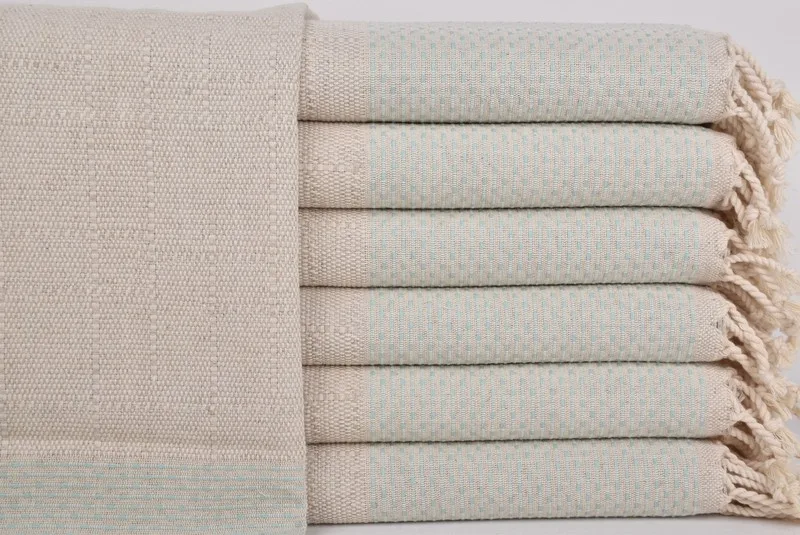
Which object did your recipient touch the most this week? Not their most treasured possession, the most touched one. For nearly everyone the honest answers are humble: a towel, a pair of house slippers, the clothes a baby lives in, a coffee mug, a pillowcase. Now the second question: how good is their version of that object? Almost always, the answer is "whatever was cheapest when they needed one." That gap, between the objects people use constantly and the quality they tolerate, is where the most quietly successful gifts of the past few years have been landing.
Call it practical luxury: the superb version of a mundane thing. It works because of a durable quirk of how people spend, most of us will not pay a premium for our own dish towels, but we feel that premium every single day once someone else does. Where givers go wrong is at the two extremes. They either dismiss the category as boring, a towel, really?, or they execute it lazily, buying something labeled "luxury" that is actually just ordinary goods with a gift box. The trend rewards neither. It rewards material literacy.
The Short Answer
Pick one object the recipient demonstrably uses every day, then buy the version they would never buy themselves, judged by fiber and construction, not packaging. Read the materials line first: 100 percent linen, not "linen-look"; full-grain leather, not "genuine." Favor things that survive real life, machine-washable, durable, better with age. One excellent everyday object beats three impressive shelf objects, because it compounds: the recipient re-encounters your gift hundreds of times a year.
Why Upgraded Ordinary Beats Impressive Useless
An impressive gift is experienced once, at the unwrapping. A practical-luxury gift is experienced every day after, and the daily encounter is where the gratitude actually accrues. The recipient reaches for the good towel, steps into the good slippers, and each time there is a small, involuntary flicker of this is nicer than what I had. No display gift produces that repetition.
The category also solves the hardest gifting problem: the person who wants nothing. People who want nothing still dry dishes, walk on cold floors, and sleep on pillowcases. Their wants are saturated; their dailiness is wide open. That is why practical luxury has become the default sophisticated answer for parents, in-laws, hosts, and colleagues, browse gifts for parents and you will see the pattern immediately: the standout items are ordinary nouns with extraordinary materials.
The Upgrade Test: A Framework for Choosing
Run any candidate gift through three filters, in order.
First, frequency: does the recipient use this category of object at least a few times a week? Daily is better. A fondue set fails here; a dish towel, a robe, house slippers, and baby basics pass easily.
Second, the tolerance gap: is their current version mediocre because they never prioritized it? This is where observation beats interrogation. Threadbare kitchen towels, disintegrating slippers by the door, scratchy builder-grade bedding, each is an invitation. If they have already upgraded a category themselves, move on; you will not out-buy an enthusiast in their own specialty.
Third, material honesty: does the upgrade come from the object's actual substance rather than its branding? Linen instead of thin cotton blends, home and living goods with real fiber content, stitched construction instead of glued. If you cannot name what makes the upgraded version better, the recipient will not feel it either, and feeling it daily is the entire mechanism.
A Short Field Guide to Materials Worth Gifting
Linen deserves its reputation in this category. Woven from flax fiber, it is notably strong and absorbent, dries quickly, and, unusually among fabrics, gets softer and better with every wash. Those traits explain the picks under this story: linen kitchen towels and breathable linen house slippers are almost the archetype of practical luxury, hardworking, unglamorous nouns elevated by an honest fiber. New linen can feel crisp; that is normal and temporary.
For anything worn or slept on, read the fiber content line the way you would read an ingredients list. "100 percent linen" and "100 percent cotton" are claims; "linen-look" and "cotton-rich" are marketing. For baby clothing, prioritize soft, breathable natural fibers, easy fastenings, and true machine-washability, a beautiful baby outfit that needs delicate handling is a gift of labor to exhausted parents, which is the opposite of the intent. Anything from kids and baby meant for daily rotation should survive daily laundering.
For leather goods, full-grain is the top of the hide and the top of the vocabulary, it wears in rather than out. And across every material, construction tells the truth: dense, even stitching, finished hems, and reinforced stress points separate the daily-use tier from the gift-box tier.
What to Look For (and What to Skip)
What to look for:
- A named fiber or material with a percentage: 100 percent linen, 100 percent cotton, full-grain leather.
- Machine-washable, or otherwise low-maintenance, care requirements that match the recipient's real life.
- Construction details in the listing: stitching, hems, weight, sole grip on slippers, snap quality on baby wear.
- Objects that improve with use, linen softening, leather developing patina, rather than peaking at unboxing.
- Generous sizing information, especially for slippers and clothing, with a range or exact measurements.
What to skip:
- "Luxury" and "hotel quality" as the only descriptors, with no fiber content stated anywhere.
- Hand-wash-only versions of daily-use items for busy households; care burden cancels the upgrade.
- Loud branding on everyday objects; practical luxury whispers, the pleasure is in use, not display.
- Gadgetized versions of simple things, the upgrade path for a towel is better fiber, not added features.
- Guessed sizes. For anything fitted, confirm the size or choose a category, like kitchen or bed linens, where fit does not apply.
What the Tiers Actually Feel Like
Entry tier gets you a genuinely excellent small object, a real linen kitchen towel, fine cotton napkins, a well-made everyday item from gifts under $30. Do not underestimate this tier; because the category is daily-use, even a modest upgrade is felt constantly. The solid middle covers the objects with more material in them, quality house slippers, a robe, a baby wardrobe set, a proper apron, where you are paying for more fiber and more construction. The heirloom tier is reserved for the few everyday objects that can genuinely last decades: full-grain leather goods, substantial bed and table linens. The tier test is simple, ask how many years of daily use the object can plausibly absorb, and pay in proportion to that number.
Mistakes People Make
- Upgrading an object they do not actually use. Fix: gift their habits as they are, the daily coffee drinker gets the superb mug; do not use gifts to propose a new lifestyle.
- Trusting the word "luxury" over the materials line. Fix: no named fiber, no purchase.
- Buying delicate versions of workhorse items. Fix: check care instructions against the household's reality, daily objects must survive daily cleaning.
- Guessing sizes on slippers or clothing. Fix: confirm sizes quietly, or pivot to unfitted categories like kitchen and table linens.
- Sneaking a critique in as a gift. Fix: upgraded versions of what someone already owns read as generous; replacements for habits you disapprove of read as commentary. If in doubt, choose a neutral object.
What makes linen worth the premium over cotton?
Linen is woven from flax, whose long fibers make a fabric that is strong, highly absorbent, and quick to dry, which is exactly what you want in towels, and breathable in warm weather, which is what you want in summer clothing and slippers. Its distinctive trait is trajectory: linen softens and improves with repeated washing rather than degrading. You are paying for durability plus a texture that gets better, not just a label.
How do I upgrade an everyday gift without knowing their size?
Stay in categories where fit does not apply: kitchen and table linens, towels, bedding, mugs, unfitted robes and throws. If the perfect gift is fitted, like slippers, do quiet reconnaissance, ask a partner or check a shoe by the door, or choose listings with a forgiving size range. When neither works, pivot to the same material story in an unfitted object; the daily-upgrade effect survives the substitution.
Is practical luxury a good housewarming or couple's gift?
It is arguably the ideal one, because new households are built almost entirely from tolerated, temporary versions of everyday objects. Excellent kitchen linens, a proper set of towels, or quality table goods from housewarming gifts upgrade routines two people share, so the gift is felt by both daily. It also sidesteps taste risk: fiber quality is far less subjective than decor.
Which everyday objects should I avoid gifting?
Avoid objects that imply correction, replacements for personal-care habits, or "better" versions of choices the recipient made deliberately and proudly. Avoid strongly scented items unless you know their preferences, and fitted items where a wrong size guarantees a return. The safe heart of the category is neutral, household-level dailiness: textiles, kitchen goods, and comfort objects, upgrades everyone accepts gladly because no one reads a superb towel as criticism.
Reviews & comments
See every public review for this Journal story and leave your own note.