 All stories


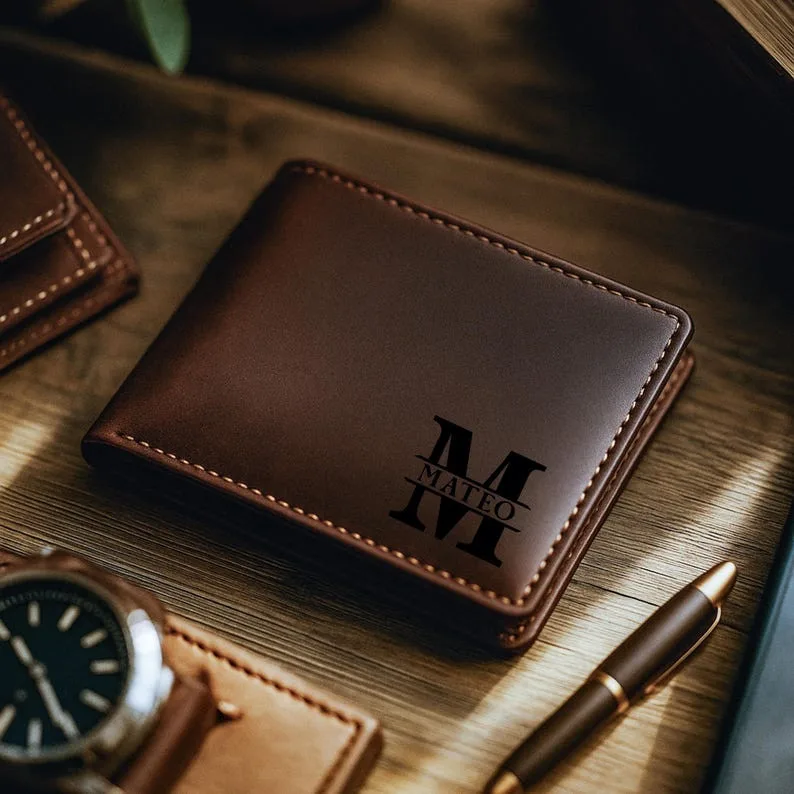
Put two brown bifold wallets side by side in a search result and the photos can be nearly identical: same stitching, same color, same folded pose on a wooden table. One costs three times the other. The entire difference is hiding in a handful of label words, full-grain, top-grain, genuine, bonded, and those words are ranked in an order almost nobody bothers to explain to the person actually buying the gift.
The order matters because leather is one of the last everyday materials where the label reliably predicts how the object ages. A good hide gets better for a decade; a bad one peels inside a year. If you are buying a wallet, belt, or bag for someone, ten minutes with the vocabulary buys you most of what an expert eye would.
The Short Answer
The hierarchy runs full-grain, then top-grain, then corrected-grain and split leather (often labeled "genuine leather"), then bonded leather at the bottom. For a gift meant to last years, buy full-grain or top-grain from a seller who names the grade and, ideally, the tanning method. "Genuine leather" is technically real leather but signals nothing good about quality. Bonded leather is shredded leather fiber glued to a backing, and it does not survive daily use gracefully. When in doubt, precision in the listing is the tell: sellers with good leather say so exactly.
How a Hide Becomes Grades
Every grade describes what happened to the hide after tanning. A hide is thick, so it is usually split into layers. The top layer, the grain, carries the densest, tightest fibers, which is why everything desirable comes from it.
Full-grain leather keeps that outer surface intact; only the hair is removed. It is the strongest cut, it develops a patina, and it shows the animal's history: small scars, insect bites, neck wrinkles. Those marks are a feature, not a defect. Top-grain leather has the very surface lightly sanded to remove blemishes, then gets a finish; it is still durable, more uniform in appearance, and slightly less characterful as it ages. Corrected-grain goes further: heavy sanding, a pigmented coating, and an embossed artificial grain pattern, which is how inexpensive leather achieves that suspiciously perfect pebble texture.
Below the grain sits the split, the lower layer of the hide. Splits become suede when napped, or become coated "genuine leather" products when finished to imitate grain leather. And bonded leather is not a layer at all: it is shredded leather scraps mixed with polyurethane and pressed onto a backing, containing a modest fraction of actual leather. It looks fine on a shelf and peels with flexing, which is exactly what wallets and bag handles do all day.
Tanning and Finish Change the Feel
Grade is only half the story. Tanning determines temperament. Vegetable-tanned leather, made with plant tannins over weeks, starts firm and matte, darkens with sun and handling, and ages into the rich patina people associate with heirloom goods; it is also the best surface for embossing and personalization, which is worth knowing if you are browsing personalized gifts. Chrome-tanned leather, the modern majority, is tanned quickly with chromium salts and comes out soft, supple, and colorfast in nearly any shade; most bags and jackets you have ever touched are chrome-tanned. Neither is superior; they are different animals in the hand.
Finish is the final variable. Aniline leather is dyed through with no pigment coating, so you see the actual hide, marks and all; it feels wonderful and stains easily. Semi-aniline adds a light protective coat. Pigmented leather wears an opaque painted finish that hides everything and resists everything, which is why car seats and family-proof bags use it. More finish means more protection and less character; you are always trading one for the other.
Choose by How It Will Be Used
A daily wallet, like the ones in the picks under this story, should be full-grain or top-grain, because a wallet lives in a pocket and flexes hundreds of times a week; softness is less important than fiber strength. A bag that must shrug off rain, kids, and commuting argues for pigmented top-grain, the most forgiving combination made. For a patina lover or an heirloom occasion, an anniversary, a milestone birthday, vegetable-tanned full-grain aniline leather is the whole point: it will look better in five years than it does in the box. For a light-use fashion piece among handbags, finish and design matter more than grade, and top-grain is entirely sensible. And if the recipient avoids animal products, skip the imitation-leather debate entirely and choose an honest fabric like waxed canvas instead; "vegan leather" is polyurethane and wears like it.
What to Look For (and What to Skip)
Look for:
- The grade named precisely: "full-grain" or "top-grain", not mood words like "rich premium leather".
- The tanning method stated, vegetable or chrome, which signals a seller who knows their material.
- Edges that are burnished smooth or neatly painted, with no raw fuzz.
- Even stitching with no loose threads; hand saddle-stitching is a mark of high-end work because it does not unravel the way a broken machine lock stitch can.
- Natural surface variation in the photos. Real grain is slightly irregular; that is what you are paying for.
Skip:
- "Genuine leather" presented as the headline selling point; it is the floor, not a boast.
- "100% leather" on suspiciously cheap goods, a phrase bonded products can technically wear.
- Perfectly uniform pebble grain at a bargain price, which usually means embossed corrected-grain.
- Any visible peeling, bubbling, or plasticky edge coating in photos or reviews.
- Vague "vegan leather" when durability matters; polyurethane surfaces tend to crack and flake within a few years of daily handling.
What Each Price Tier Buys
At the entry tier you get corrected-grain and split leathers: fine for trend-driven pieces that will be replaced when tastes change, wrong for anything meant to be carried daily for years. The solid middle tier, top-grain and chrome-tanned with clean stitching, is the sweet spot for most gifts in accessories; it balances durability, softness, and price without drama. The heirloom tier is full-grain, often vegetable-tanned, sometimes hand-stitched, and always repairable, which is the quiet superpower of good leather: a cobbler or leatherworker can restitch and recondition it indefinitely. Price differences across tiers are driven by real things, hide quality, how much of a hide is usable, and hours of handwork, not by branding alone, which makes leather one of the fairer categories to spend up in for gifts for him or anyone who carries the same three objects everywhere.
Mistakes People Make
- Reading "genuine leather" as praise. It is a grade near the bottom of the ladder. Fix: look for full-grain or top-grain by name.
- Judging quality by softness alone. Some excellent leather, especially vegetable-tanned, starts stiff by design and breaks in. Fix: judge by grade, tanning, and construction.
- Expecting full-grain to look flawless. Scars and wrinkles are the authenticity you paid for. Fix: warn the recipient it will age, and that this is the point.
- Over-conditioning a new piece. Too much conditioner darkens and softens leather prematurely. Fix: condition sparingly, a light coat once or twice a year for most items.
- Storing leather in sealed plastic, which traps moisture and invites mildew. Fix: a breathable dust bag and a shelf away from radiators.
Is genuine leather real leather?
Yes, and that is all it promises. In common labeling, "genuine leather" usually refers to lower layers of the hide or heavily corrected leather with an applied finish. It is real in the technical sense and unremarkable in every practical one. Treat the phrase as a category floor: if the product were full-grain or top-grain, the listing would say so, because those words justify higher prices.
What is the difference between full-grain and top-grain in daily use?
Less than the internet suggests, for the first year. Both are durable grain-layer leathers that handle daily flexing well. The differences emerge with age: full-grain develops a deeper patina and shows its natural marks, while top-grain stays more uniform and changes less. Choose full-grain for character and longevity, top-grain for a consistent, tidy look. Either is a sound gift; bonded and corrected grades are where problems live.
How can I tell bonded leather from a listing?
Watch for price and language. Bonded leather appears on very inexpensive goods with phrases like "100% leather" or "leather construction" and no grade named. Photos show flawless, repeating grain texture. Reviews are the most reliable tell: complaints about peeling, flaking, or the surface rubbing off are the signature of bonded and coated split leather, because that failure mode is nearly unique to them.
How should a leather gift be cared for?
Lightly and rarely. Wipe with a barely damp cloth, let wet leather dry slowly away from heat, and apply a small amount of leather conditioner once or twice a year. Keep it out of sealed plastic and off radiators. Patina, the gradual darkening and sheen from handling, is not damage and needs no correction. For vegetable-tanned goods, expect visible aging and enjoy it; that is the material working as designed.
Reviews & comments
See every public review for this Journal story and leave your own note.