 All stories


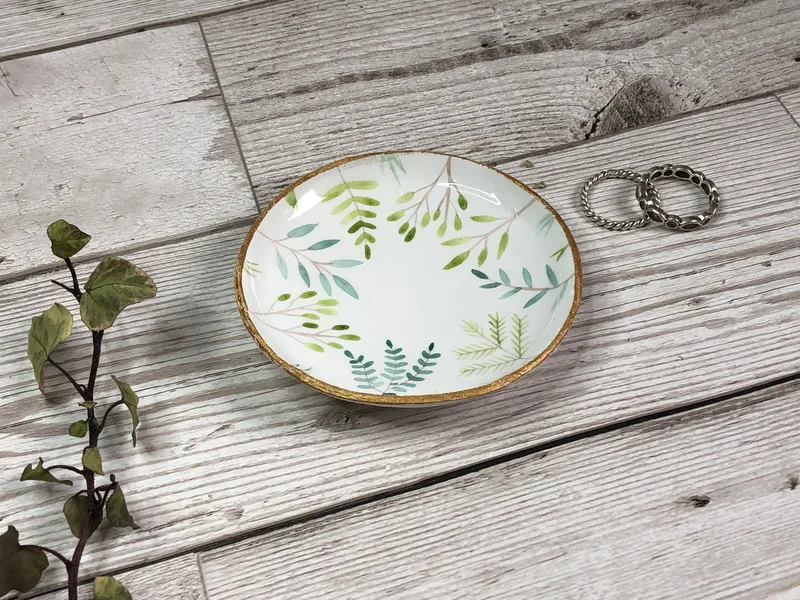
Ask people about the gifts they remember most and a pattern shows up: a surprising number of them arrived on no particular day. Not a birthday, not a holiday, not an anniversary. A book that appeared on a desk after a hard week. Flowers on an ordinary Tuesday. A small package from a friend two time zones away with a note reading "saw this and thought of you." The calendar didn't ask for any of these gifts, which is precisely why they landed the way they did.
Gifting has long been organized around obligations: a cluster of winter holidays, a ring of birthdays, a handful of romantic checkpoints. That structure isn't going anywhere. But around it, quietly, a different habit has been growing: the just-because present, given on an ordinary day for no defensible reason except that one person thought of another. It deserves a closer look, because it runs on different rules than occasion gifting, and it's easy to do well once you see them.
Why Off-Calendar Gifts Hit Differently
An expected gift answers a question the calendar asked. However lovely it is, some part of it reads as fulfilled obligation; the recipient knew something was coming, and so did you. A just-because gift has no question behind it. The only available explanation is that someone was thinking of you when nothing required them to be, and that explanation is the actual gift. This is also why just-because presents are hard to get wrong. On a birthday, a mediocre gift competes with expectations. On a random Wednesday, there are no expectations to compete with; the gesture arrives with the element of surprise entirely on its side.
Why It's Happening Now
No single cause explains the shift, but a few everyday observations line up. Friendships and families are more geographically scattered than they used to be, and a small parcel has become one of the easiest ways to make affection physical across distance; shopping from a phone collapsed the gap between "I thought of you" and "it's on its way" to about two minutes. The same feeds that surface things to buy also surface reminders of people, a song, a meme, a jacket that is unmistakably your sister, so the thought and the means arrive together. And plenty of people have simply grown tired of the arms race of occasion gifting, finding that smaller, unprompted gestures spread through the year say more than one large obligated purchase in December.
The Rules Are Different, and Easier
Occasion gifts carry rough expectations about scale; wedding presents and milestone birthdays come with unwritten price floors. Just-because gifts invert this. Small is not a compromise, it's the correct register, and most of the best ones sit comfortably among gifts under $30. A grand no-occasion gift can actually misfire, creating confusion or a felt debt where none was intended. The other inversion: specificity outranks value completely. The whole meaning of the gesture is "I know you," so the ideal just-because gift is almost embarrassingly particular, the tea she mentioned once in passing, a print of the diner where the friendship started, socks referencing a five-year-old inside joke. Generic just-because gifts barely register, because without an occasion, the specificity is the reason.
- Keep it small enough that no one feels they owe you anything.
- Make it specific enough that it couldn't be for anyone else.
- Attach a line about why: what made you think of them.
- Skip perfect timing; the randomness is the charm.
The Note Is Half the Gift
Because nothing on the calendar explains the package, the explanation has to come from you, and that's an opportunity rather than a chore. One or two sentences, "passed this shop and remembered your kitchen," "you said your mugs keep breaking, so," do work that no object can do alone. A just-because gift without a note risks confusion; with one, even the smallest object becomes legible as what it is, proof of unprompted attention. This is also what separates the habit from ordinary shopping. Buying someone a thing is commerce. Telling them why the thing is theirs is the gift.
For the People You'd Never Buy an Occasion Gift For
One of the quiet advantages of the just-because register is that it fits relationships occasion gifting doesn't cover. Most adults have a ring of people they'd never exchange birthday presents with, old roommates, far-flung friends, a former mentor, the neighbor who watched the cat, where a formal gift would feel strange but genuine affection exists. The no-occasion gift is built for exactly this range: low stakes, no reciprocity implied, no annual commitment created. It's also, within couples and families, a way to keep gifting alive between the big dates, which is often when a small gesture is most needed.
Keeping the Habit From Becoming a Chore
The failure mode of just-because gifting is turning it into another obligation, a schedule of spontaneity, which defeats the entire point. The habit worth building isn't "send something monthly"; it's capturing the thought when it happens. When a friend mentions a problem, a favorite, a want, write it down somewhere you'll find it, a running note on your phone or a saved-ideas list; if you plan gifts with family or friends in a shared Gift Room, an ideas list you already keep for occasions works just as well for no occasion at all. Then, when you have the time and inclination, the thought is waiting. For closer relationships, a personalized gift with no occasion attached is about as unambiguous as affection gets. But frequency is not the metric. One genuinely specific package a year beats twelve scheduled ones, because the entire value of the gesture is that nothing made you do it.
What is a just-because gift?
A just-because gift is a present given outside any occasion, no birthday, holiday, or milestone attached, purely because the giver was thinking of the recipient. It's typically small and specific rather than expensive, and usually comes with a short note explaining the thought behind it. Its meaning comes from being unprompted: nothing required the gesture, which is exactly what makes it land.
How much should I spend on a no-occasion gift?
Less than you would for an occasion. Small is the natural register for just-because gifts; modest presents in the under-$30 range carry the gesture perfectly well, and an expensive no-occasion gift can create awkwardness or a sense of debt the recipient never asked for. Spend your effort on specificity instead, choosing something tied to a detail you genuinely know about them, and say why in a note.
Do just-because gifts create pressure to reciprocate?
They can if they're large, which is one reason to keep them small. A modest, specific gift with a warm note reads as a gesture, not an opening bid, and most recipients respond with thanks rather than a return package. If you sense the person feels indebted, say directly that nothing is expected back. The habit works best in relationships where it's understood as affection, not accounting.
When is the best time to give a just-because gift?
Whenever the thought occurs, which is the honest answer and also the practical one. Deliberately random timing is part of the charm; an ordinary weekday often lands better than a near-holiday date, when the gesture can be mistaken for an early or late obligation. Many people keep a running note of things friends mention wanting, then send one when time and inclination line up.
Reviews & comments
See every public review for this Journal story and leave your own note.