 All stories


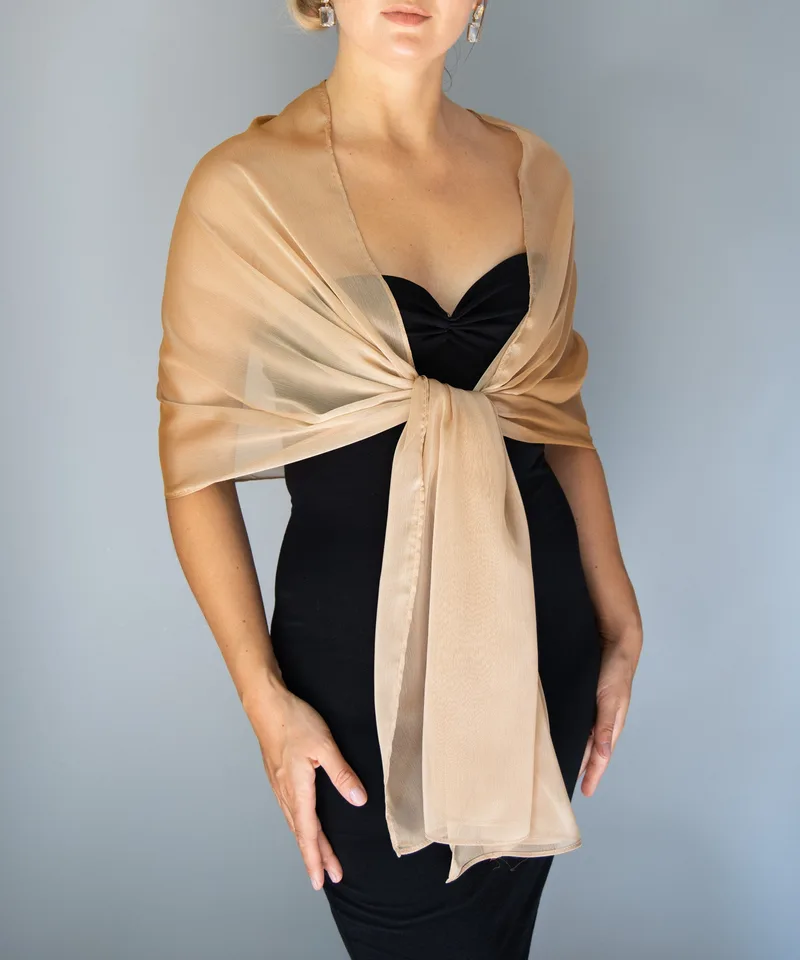
The wrapping is the first thing a recipient experiences, and it sets their expectations before they know what's inside. A thoughtful gift handed over in a crumpled store bag still lands, but it lands with an apology attached. The reverse is also true: a modest gift wrapped with obvious care borrows some of that care and feels more deliberate than it otherwise would. None of this requires craft skills or expensive supplies. It mostly requires deciding, ahead of time, that the presentation is part of the gift rather than an afterthought on the way out the door.
This guide covers the practical side of wrapping, the workarounds for things that resist wrapping, and the part people think about least: how you actually hand the gift over.
Why Presentation Carries More Weight Than It Should
A wrapped gift asks the recipient to do something: pause, untie, unfold, discover. That small ritual is a signal that someone planned this moment, and people respond to the signal almost independently of what the paper looks like. This is why a plainly wrapped box with a hand-tied ribbon often reads as more considered than a glossy pre-made bag, even though the bag cost more. The bag says the gift was acquired; the wrapping says it was prepared. If you take one idea from this article, take that one: effort that is visible, even simple effort, is what makes presentation work.
Get the Box Right Before You Touch the Paper
Most wrapping frustration starts with trying to wrap something that isn't box-shaped. Solve that first.
- Put soft items like clothing, scarves, or bags and purses into a box before wrapping. Folded fabric inside tissue paper inside a box wraps cleanly and unwraps well.
- Keep a few plain gift boxes in two or three sizes at home. They are inexpensive, reusable, and remove the hardest part of wrapping.
- If the item came in ugly retail packaging with prices and barcodes, rebox it or at least cover the printed panels. Nothing deflates an unwrapping faster than a visible price sticker.
- For very small items like jewelry, use a small box inside a slightly larger one. The extra beat of opening builds a little anticipation and protects the item.
The Few Wrapping Techniques That Actually Matter
You do not need to master decorative folding. A handful of basics account for most of the difference between wrapping that looks careful and wrapping that looks rushed.
- Measure the paper before cutting: roll the box one full turn plus a couple of inches of overlap, and make sure the ends cover just past half the box height. Too much paper is harder to fold neatly than slightly too little.
- Crease every fold with your thumbnail or the edge of a ruler. Sharp creases are the single biggest visual upgrade and cost nothing.
- Use less tape, placed on the underside of folds where possible. Tape across the front of a seam is the most common giveaway of a hurried job.
- Cut with long, continuous strokes rather than short snips, so the paper edge stays straight.
- Pick one paper and one accent. A solid or simple pattern with a single ribbon or tag looks more intentional than several competing decorations.
Stocking up on decent paper and ribbon once a year, rather than buying whatever the store has on the day, is the quiet habit behind people who always seem to wrap well. The paper and party supplies category is a reasonable place to build that small reserve.
When Wrapping Paper Is the Wrong Tool
Some gifts should not be wrapped conventionally, and forcing it makes things worse. Odd shapes, very large items, plants, and anything fragile all call for a different approach. Fabric wrapping, in the spirit of the Japanese furoshiki tradition, handles odd shapes gracefully, and the cloth becomes part of the gift. A plain gift bag with generous tissue is honest and fine for awkward items, especially if you add a handwritten tag. For something too large to wrap, wrap a small object that represents it, like a single accessory or a photo of the item, and let the reveal happen in two stages. And for experience gifts or last minute gifts that exist only as a confirmation email, print the details and fold them into a card so there is still something physical to open.
The Finishing Layer Is Where Personality Lives
Once the box is wrapped, the top layer is where you make it feel like it came from you specifically. This is also where restraint pays off; one good detail beats four mediocre ones. A sprig of rosemary or a cinnamon stick under the ribbon in winter, a handwritten paper tag instead of a peel-and-stick one, or a small drawing on plain kraft paper all read as personal. If the gift itself is one of the personalized gifts built around the recipient, echo that on the outside: their name in your handwriting, or a tag referencing the joke or memory the gift points to. The outside should feel like a hint of the inside.
Plan the Handoff, Not Just the Object
How a gift is given shapes how it is received, and this part costs nothing. Hand it over at a moment when the person can actually open it, rather than in passing on their way somewhere. Say one sentence about why you chose it; a gift with a short story attached is remembered longer than a gift explained by its packaging. If the gift is from several people, say so clearly so the recipient knows whom to thank. And if you are giving in a group setting where others brought nothing, a quiet handoff later can be kinder than a public one. For milestone occasions like weddings or showers, where gifts arrive from many directions, coordinating through a shared space like a JediPic Gift Room can keep the group organized so the presentation moment itself stays simple and personal.
What is the easiest way to make wrapping look professional?
Sharp creases and minimal visible tape. Fold every edge firmly with a thumbnail before taping, and place tape on the underside of seams where you can. Combined with paper measured to size rather than oversized, these two habits produce clean, flat results that look practiced, even if you only wrap gifts a few times a year and use inexpensive paper.
How do I wrap an oddly shaped gift without making a mess?
Stop trying to wrap the shape. Put the item in a box, a fabric wrap, or a gift bag with tissue instead. Boxes give you clean lines, fabric handles curves and bulges gracefully, and a bag with a handwritten tag is honest and presentable. Wrapping paper stretched over an irregular object almost always looks strained, no matter how carefully it is taped.
Is a gift bag lazier than wrapping paper?
Not inherently. A bag chosen to fit the gift, filled with fresh tissue, and finished with a handwritten tag reads as perfectly considered, and it is the right call for fragile, heavy, or oddly shaped items. A bag only reads as lazy when it is visibly reused, oversized, or handed over with the receipt still inside and no tag or note attached.
What should I say when I hand someone a gift?
One or two sentences about why this gift made you think of them: the memory it connects to, the moment you saw it, or the problem it solves. Avoid downplaying it with phrases like "it's nothing." A brief, specific reason turns the handoff into part of the gift, and it gives the recipient context for what they are about to open.
Reviews & comments
See every public review for this Journal story and leave your own note.