 All stories


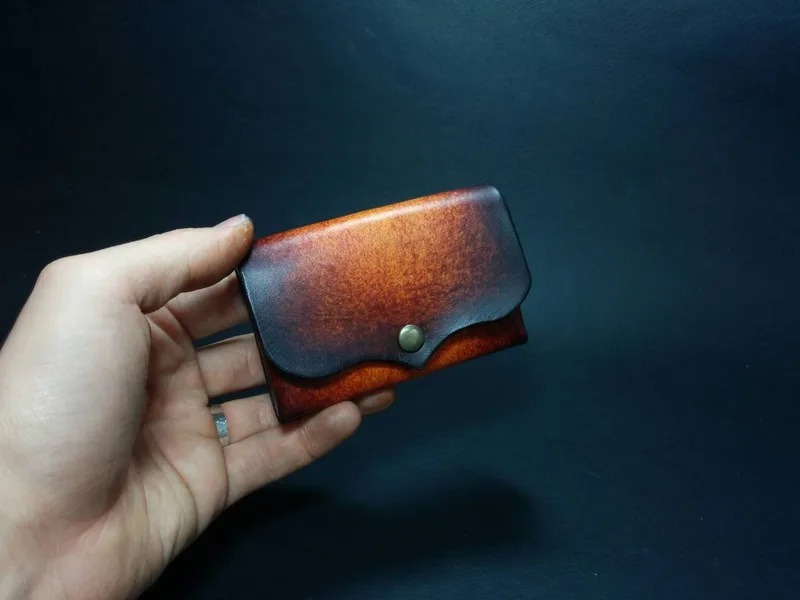
The gift card occupies a strange position in gift giving. Almost everyone is happy to receive one, and almost everyone feels vaguely guilty giving one. The guilt comes from a real place: a gift card can be bought in ninety seconds at a checkout line, and the recipient knows it. But the problem was never the card itself. It was the ninety seconds.
A gift card is a delivery mechanism, and like any delivery mechanism it carries whatever you load into it. Loaded with no thought, it delivers no thought. Loaded with specificity, a little ceremony, and a note that explains itself, it can outperform a mediocre physical gift by a wide margin, because it combines your judgment about the person with their judgment about the details.
Why Gift Cards Get a Bad Reputation
When people say a gift card feels lazy, they usually mean one of three things went wrong. The card was generic, a bland catch-all usable anywhere and therefore about no one in particular. The amount was awkward, either so small it cannot buy anything whole or so obviously round-numbered that it reads as a transaction. Or the presentation was nonexistent: a plastic rectangle handed over in the paper sleeve the cashier provided. Notice that all three failures are choices, not properties of gift cards. The same object, chosen for a specific store, loaded with a deliberate amount, and presented with a real note, sends a completely different message.
Specificity Is What Rescues a Gift Card
The single biggest upgrade is choosing a card for a specific place that maps to something you know about the person. A card to the bookshop where they linger every weekend says "I have watched you be happy there." A card to the garden center in spring, the climbing gym they keep meaning to join, the restaurant they mentioned twice: each of these demonstrates observation, which is the actual currency of gift giving. A general-purpose card demonstrates only that you know money exists. If you find yourself reaching for the universal option, treat it as a signal to think for another five minutes about where this person actually spends their happiest hours. The same logic that makes personalized gifts land well applies here: the value is in the evidence that you were paying attention.
Get the Amount Right
A useful rule: the amount should cover a complete, satisfying version of the thing, not a discount on it. A card that covers most of a nice dinner forces the recipient to top it up, which converts your gift into their expense. A card that covers the whole dinner, or two hardcovers instead of one and a half, or a full massage rather than a partial one, lets the experience feel free. This matters more than the raw size of the number. A smaller card that fully covers something real, say a generous coffee-shop card that funds a month of small indulgences, feels more complete than a larger card that only dents a big-ticket purchase. If your budget is limited, shrink the venue, not the coverage; there are plenty of experiences in gifts under 30 dollars territory that a card can cover entirely.
Pair It With Something Small and Physical
A gift card weighs nothing, and unwrapping matters. Pairing the card with a small physical object connected to it gives the recipient something to open and signals that you did more than visit a checkout display. The pairing does not need to be expensive, just coherent:
- A bookshop card tucked inside a nice notebook, or with a paperback you loved as a starter.
- A restaurant card with a small bag of good chocolate or a pantry treat from food and drink, so there is something to taste now.
- A spa or salon card with a candle or a small comfort from the bath aisle.
- A coffee card inside a mug, the one genuinely defensible use of the gifted mug.
- A hardware store card taped to a single good tool.
The object is a footnote; the card is the gift. But the footnote is what makes the whole thing feel assembled rather than grabbed.
Write the Note That Does the Work
The note is where a gift card either becomes a real gift or stays a transaction, and the formula is simple: say why this place, and prescribe how to use it. "This covers dinner for two at the place you pointed out in March. Order the dessert." "This is for plants only. No buying soil with gift money." A prescriptive note transforms the card from money into permission, and permission is a genuinely valuable gift for people who never spend on themselves. Practical people in particular tend to spend gift cards on necessities unless instructed otherwise, so the instruction is a kindness, not a bossy flourish. Two or three specific sentences beat a page of generic warmth.
When a Gift Card Really Is the Best Choice
There are situations where a gift card is not the fallback but the correct answer. Taste-heavy categories, like clothes, makeup, or vinyl records, where a near-miss is worse than a blank check. Teenagers, for whom autonomy is most of the point. People mid-move or mid-renovation, who need flexibility more than objects. Long-distance recipients, where a digital card arrives instantly and nothing gets damaged in transit. And genuinely last-minute situations, where the honest choice is between a thoughtful card delivered today and a rushed object delivered late. In all of these, choosing a card is judgment, not surrender. The lazy version of a gift card is real, but it is a way of giving, not a category of gift.
Is giving a gift card rude?
No. Most recipients are genuinely glad to get one, and etiquette has long since accepted them. A gift card only reads as rude or lazy when it is generic, presented without a note, or clearly grabbed at the last second. Choosing a specific store the person loves, covering a complete experience, and writing two personal sentences removes the problem entirely.
How much money should I put on a gift card?
Load enough to cover a whole version of the experience, not a fraction of it: a full dinner, a complete book, an entire class. A card that forces the recipient to add their own money turns your gift into their expense. If your budget is tight, pick a more modest venue and cover it fully rather than partially covering an expensive one.
Should I pair a gift card with a small physical gift?
It usually helps. A card has no weight or unwrapping moment, so attaching a small related object, like a paperback with a bookshop card or a mug with a coffee card, gives the gift physical presence and shows assembly rather than a checkout-line grab. Keep the object inexpensive and connected to the card; it is a garnish, not a second gift.
When is a gift card better than a physical present?
A gift card wins in taste-driven categories like clothing or music, for teenagers who value autonomy, for people mid-move who need flexibility, for long-distance recipients where shipping is risky, and for genuine last-minute situations. In those cases the card is not a fallback but the better judgment call, because the recipient's own choice is part of the gift.
Reviews & comments
See every public review for this Journal story and leave your own note.