 All stories


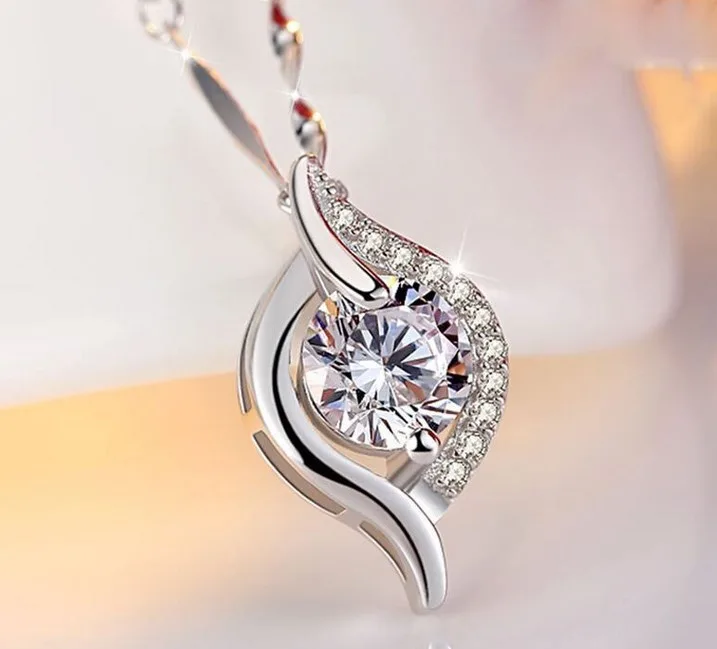
A necklace that looked convincingly gold in December is showing brass at the clasp by March. The giver never finds out; the recipient just quietly stops wearing it. That is the standard failure mode of jewelry gifts — not bad taste, but a metal that could not survive the way this particular person actually wears jewelry. The label said gold. The price said something else, and the price was telling the truth.
Here is the good news: metal names are one of the few genuinely regulated corners of the gift world. Words like sterling, vermeil, gold-filled, and karat have specific legal meanings, and once you know them you can read a listing the way a jeweler reads a hallmark. This guide walks through what each term promises, how to match a metal to a wearer, and how to put your budget — whatever it is — into the layer of the piece that actually matters.
The Short Answer
For anything meant to be worn daily, buy a solid metal: sterling silver, gold-filled, or solid gold in the 10k–18k range. For occasional-wear pieces, gold vermeil delivers real gold color over real silver at a fraction of solid-gold cost. Skip thin gold plating for everyday jewelry — it wears through at friction points within months. For sensitive skin, sterling silver, gold-filled, and 14k-plus solid gold are the safest widely available options. Match the metal to how often the piece will be worn, not to the occasion.
What the Terms Actually Mean
Solid gold is graded in karats: 24k is pure gold, and pure gold is soft enough to scratch and bend in daily life. Jewelers alloy it down for durability. 18k is 75 percent gold — rich color, still relatively soft. 14k is about 58 percent — the everyday sweet spot in the US, harder and noticeably less expensive. 10k is the legal minimum to be sold as gold in the US: palest color, toughest wear, lowest price.
Sterling silver is 92.5 percent silver, usually alloyed with copper, and stamped 925. It tarnishes over time — a surface reaction, not a defect — and a thirty-second pass with a polishing cloth brings it back.
Vermeil is a legally defined term in the US: a sterling silver base coated with gold that is at least 2.5 microns thick and at least 10 karats. The key word is base — under the gold sits real silver, not mystery metal, so even as the gold slowly thins over years the piece underneath is still jewelry.
Gold-filled is not filled with anything; it means a thick layer of gold mechanically bonded to a base metal, required to be at least 5 percent of the item's total weight. That layer is dramatically thicker than plating and can take years of daily wear.
Gold-plated means a thin electroplated film of gold, often well under a micron. It is honest material for trend pieces and costume jewelry, and the wrong material for a ring or a daily-wear chain. And "gold tone" promises nothing at all — it is a color, not a metal.
Match the Metal to the Wearer, Not the Occasion
Three questions sort almost every gift. First: how often will this be worn? A daily-wear person — someone who sleeps and showers in their jewelry — needs sterling, gold-filled, or solid gold, full stop. An occasion dresser can enjoy vermeil for years. Second: what do their hands and days look like? Gym sessions, hand sanitizer, salt water, and chlorine are hard on plating and unkind even to sterling; for a swimmer or a nurse, lean toward solid gold or be ready to say "take it off before the pool." Third: do they react to metals? Nickel is the most common culprit in metal skin reactions, and it hides in cheap alloys and in some white gold. If you have ever heard this person mention itchy ears, treat that as a hard constraint, not a preference.
Answer those three and the decision usually makes itself. A teenager who rotates jewelry with outfits is well served by vermeil and honest plated pieces. A partner who has worn the same chain since college deserves solid metal. A new mother who will never take the necklace off falls somewhere between gold-filled and 14k, depending on budget.
What to Look For (and What to Skip)
Look for:
- A hallmark or stated stamp — 925 for sterling, 10k/14k/18k (or 417/585/750) for gold.
- The precise term: "vermeil" or "gold-filled" spelled out, not a vague "gold" in the title.
- A named base metal. "Sterling base" is information; "alloy" is a shrug.
- Secure closures — a lobster or box clasp on a chain that is meant to survive daily wear.
- Stones held in prong or bezel settings rather than glued into place.
Skip:
- "Gold dipped," "gold tone," or "gold color" with no thickness or karat stated.
- "Hypoallergenic" as the only material information — the term has no enforced legal definition.
- Plated rings. Rings take more friction than any other jewelry, and plating loses that fight first.
- Listings whose photos have obvious warm filters and no materials line to check them against.
Budget Reality: Three Honest Tiers
At the entry tier, plated and stainless steel pieces are legitimate gifts when given as what they are — playful, current, replaceable. Give them for a trend, not a milestone.
The middle tier — sterling silver, vermeil, gold-filled — is where gift budgets work hardest. Sterling set with a genuine gemstone reads far above its cost, which is why the catalog picks under this story lean that way, and a gold-filled chain can outlast several plated ones. This is the tier for birthdays, graduations, and most anniversary gifts.
The heirloom tier is solid gold and platinum, and the rule here is simple: buy it when you are marking something permanent, and buy smaller-but-solid over bigger-but-plated every time. A modest 14k pendant chosen for someone specific — perhaps engraved, perhaps paired with something from the personalized gifts side of the marketplace — will still be in the family in thirty years.
Mistakes People Make
- Buying plated jewelry for a person who never takes jewelry off. Fix: sterling or gold-filled minimum for daily wearers.
- Judging the metal from photos. Warm lighting makes brass look like 18k. Fix: ignore the image, read the materials line, and if there is no materials line, walk away.
- Treating tarnish as a defect. Sterling tarnishes; that is chemistry, not poor quality. Fix: tuck a polishing cloth into the gift box.
- Assuming all white metals behave the same. White gold is often rhodium-plated and eventually wants replating; silver tarnishes; platinum develops a soft patina. Fix: mention the maintenance when you give the gift, so it reads as character rather than failure.
- Chasing the highest karat for durability. 24k and 18k are softer, not tougher. Fix: for rings and bracelets — the pieces that get knocked around — 14k is usually the smarter buy, especially for gifts for her that will be worn constantly.
Is gold vermeil good enough for a serious gift?
Yes, with the right expectations. Vermeil is real gold over real sterling silver, and the US definition requires a substantial gold layer — at least 2.5 microns of 10k or better. For someone who wears a piece a few times a month, vermeil can look excellent for years. For a ring worn daily, the friction will eventually win, so choose solid metal there instead.
How can I tell if a necklace is really sterling silver?
Check for the 925 stamp, usually on the clasp, the tag, or the inside of a band, and confirm the listing states "925" or "sterling" in the materials line rather than only in the title. Counterintuitively, light tarnish is reassuring — real silver reacts with sulfur in the air, while many fakes stay unnaturally bright. When in doubt, ask the seller directly which parts are sterling, including the chain and clasp.
What jewelry metal is best for sensitive skin?
Nickel causes most metal skin reactions, so the goal is avoiding it. Sterling silver, gold-filled, and solid gold of 14k and up are the safest common choices; titanium and niobium are excellent too. Be careful with white gold, which is sometimes alloyed with nickel, and with any listing that says only "hypoallergenic," a term with no enforced standard. A stated, specific metal beats a soothing adjective.
Why does some jewelry turn skin green?
The greenish mark comes from copper — the main ingredient in brass and a common base under thin plating — reacting with sweat and skin oils. It is harmless but tells you the gold layer has worn through or was never there. Solid sterling can occasionally leave faint dark marks from tarnish, which is different and wipes away. If a piece regularly turns skin green, it has told you what it is made of.
Reviews & comments
See every public review for this Journal story and leave your own note.