 All stories
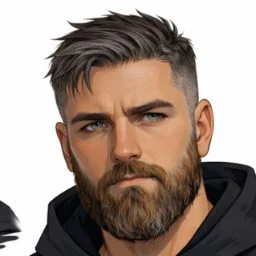

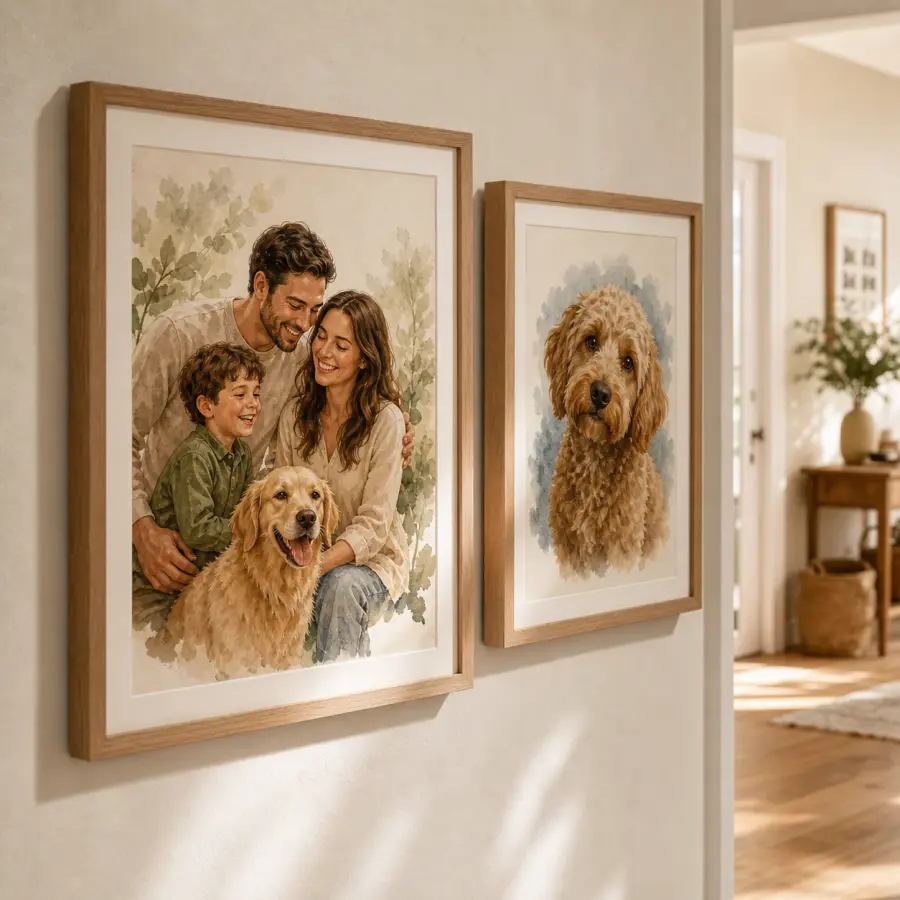
Watch someone open a finished caricature for the first time and there is usually a half-second pause before the laugh. In that pause, their brain is doing something specific: checking the drawing against the person they know. When the check passes, the reaction is instant and physical. When it fails, you get the polite smile everyone dreads, the one that means "I can see it's supposed to be me." The difference between those two reactions is not luck. It is a set of craft decisions the artist made, most of them before the first line went down.
If you are about to commission a caricature or a custom portrait from a photo, understanding how the work actually happens will change what you send, what you ask for, and how you judge the proof when it arrives. This is a look inside the process, written for the person placing the order rather than the person holding the pen.
The Short Answer
A likeness lives in proportions, not details. Good artists study how your features relate to each other, find the two or three things that make your face yours, and exaggerate those while keeping everything else anchored. Your job as a buyer is simpler: send sharp, well-lit photos with the face clearly visible, describe the person rather than dictating the drawing, and use the proof round to flag anything that feels off. Browse caricatures to see the range of styles before you brief anyone.
What a Likeness Actually Is
It is tempting to think a drawing looks like someone because the artist copied their features accurately. That is only half true. Faces are recognized by relationships: the distance between the eyes, how far the nose sits from the upper lip, the angle of the jaw, where the hairline breaks. An artist can render every individual feature beautifully and still miss the person entirely if those relationships drift. Conversely, a few confident lines that nail the relationships can be unmistakable.
Caricature adds a second move on top of that. The artist asks what departs from an average face, then pushes those departures further. Prominent eyebrows become more prominent. A wide grin gets wider. The trick is that everything else must stay proportionally honest, or the exaggeration reads as error instead of wit. This is why a good caricature often feels more like the person than a photograph does: it is a portrait of what makes them different, with the generic parts turned down.
Portrait work runs the same analysis in the opposite direction. Instead of amplifying the distinctive features, the artist preserves them faithfully and spends the effort on light, texture, and expression. If you are choosing between the two, the question is not which is more skilled. It is whether the recipient would rather be celebrated or teased. Plenty of people would love a warm piece from portraits and custom art and would quietly hate seeing their nose enlarged, however affectionately.
From Your Photo to the First Proof
Most custom orders follow the same arc, whether the artist works in digital software or with physical media. First comes reference gathering. The artist studies your photos, sometimes asking for extras: a different angle, a genuine smile instead of a posed one, a shot where glasses are not throwing glare across the eyes. Then a rough sketch establishes the pose, composition, and the core proportions. This is where the likeness is won or lost, which is why experienced artists linger here even when the sketch looks unfinished.
Next comes the proof, a review version sent to you before final rendering. On multi-person pieces, couples, families, or team scenes, the proof stage matters even more, because each face gets the same analysis and there are more chances for one likeness to lag behind the others. Finally the artist commits to color, shading, and background, and delivers a file, a print, or both.
Two practical notes fall out of this process. Revisions are cheap at the sketch stage and expensive after rendering, so give your honest reaction to the proof rather than waiting. And the photo you send is not a suggestion. Artists routinely say the reference is the ceiling on the result: a blurry, dim, or heavily filtered photo caps what even a strong artist can do.
How to Choose a Style and an Artist
With hundreds of artists offering photo-based work, the practical decision comes down to three questions.
First, match the exaggeration level to the recipient. Broad, rubbery caricature suits people who joke about themselves; gentle stylization or straight portraiture suits people who do not. If you are unsure, err toward gentle. Nobody has ever been offended by looking slightly too good.
Second, look at the artist's previous work with your kind of subject. An artist brilliant at single faces may struggle with a six-person family scene, and someone who draws people well may not draw dogs well. For a couple caricature or a family piece, find examples with the same number of subjects and check whether every face in the sample looks equally resolved.
Third, decide the format before you order, not after. A digital file suits people who will print it themselves or use it as a profile image; a shipped print or canvas suits a wall; a rush digital order suits a deadline. The catalog picks under this story show how differently the same basic service can be packaged.
What to Look For (and What to Skip)
Signals worth trusting when you compare listings:
- Sample galleries showing a range of different faces, not one flattering template repeated
- A stated proof or revision step, which tells you the artist expects feedback
- Clear guidance on what photos to send, a sign the artist knows references drive quality
- Per-face or per-subject pricing spelled out for group pieces
- Delivery format stated plainly: file resolution, print size, or canvas dimensions
Things that should give you pause:
- Every sample face looking oddly similar, which suggests a preset style pasted over photos
- No revision policy mentioned anywhere
- Vague turnaround promises when you have a fixed date like a wedding or birthday
- Listings that never show a real customer photo next to its finished result
What It Costs, Honestly
Prices vary widely, but the tiers behave predictably. Entry-level work is usually a single-subject digital drawing with limited revision, fine for a fun profile picture or a lighthearted add-on gift. The solid middle tier buys more subjects, a proper proof round, and a print-ready file or shipped print; this is where most birthday and anniversary commissions should sit. Heirloom-tier work means traditional media or large canvas, significant artist hours, and pricing to match, worth it for milestone pieces meant to hang for decades. Whatever the tier, the cost scales mostly with the number of faces and the finish, so a budget stretches further on fewer subjects done well than on a crowd done quickly.
Mistakes People Make
- Sending one photo. Artists triangulate a likeness from several angles and expressions. Send three to five, and say which one looks most like the person in real life.
- Choosing the photo by how flattering it is rather than how clear it is. A sharp, honest photo beats a beautiful filtered one every time. Filters change the very proportions the artist needs.
- Approving the proof out of politeness. If the chin feels wrong, say so at the sketch stage. Artists prefer a specific note now to a disappointed customer later.
- Ordering a group piece days before the event. Every added face adds drawing time. Multiply the stated turnaround, then add margin for the proof exchange.
- Dictating the joke. Briefs that specify hobbies, pets, and context get better results than briefs that script the exact scene, because they leave room for the artist's judgment.
How many photos should I send for a custom caricature?
Three to five is a practical range. Include at least one sharp, well-lit shot where the whole face is visible and the expression is natural, plus a couple of alternates from different angles. If the person wears glasses daily, include them without glare. Tell the artist which photo captures the person best in real life, since that judgment is information a stranger cannot infer.
What is the difference between a caricature and a custom portrait?
Both are built from your photos, but they aim differently. A caricature identifies the features that make a face distinctive and exaggerates them for warmth or humor. A portrait preserves proportions faithfully and invests in likeness, light, and mood. Choose by recipient temperament: self-deprecating humor suits caricature, while sentimental occasions or sensitive recipients are usually safer with portrait-style work.
Can artists draw people together who were photographed separately?
Yes, and it is one of the most common requests: couples in different cities, a family that never got one good group photo, or a tribute including a relative who has passed away. The artist works from separate references and composes the subjects into one scene. Expect it to take longer than a single-photo piece, and check that lighting and head angles are roughly compatible across your photos.
How long does a commissioned caricature usually take?
Turnaround depends on the artist's queue, the number of subjects, and the medium. Simple single-face digital pieces move fastest, often within days, while multi-person or traditional-media work takes considerably longer. The proof exchange adds time too, especially if you are slow to respond. If you have a hard date, share it before ordering and confirm the artist can meet it rather than assuming.
Reviews & comments
See every public review for this Journal story and leave your own note.