 All stories


Buying for a serious home cook is its own kind of challenge. They already own a solid knife, a decent pan, and the wooden spoon collection to prove it. Show up with another basic gadget and it goes straight into a drawer they never open. The trick isn't finding something new to the kitchen category — it's finding something new to them: a tool that solves a small annoyance they've stopped mentioning, an ingredient they'd never buy for themselves, or a piece that makes their cooking feel seen rather than generic.
Start With What They Actually Cook
Before you shop, think about their last few meals rather than "cooking" as an abstract hobby. Someone who bakes bread every weekend needs different gifts than someone who's deep into weeknight stir-fries or slow-simmered stews. A dedicated bread lame or a proofing basket means something to a baker; it's clutter to anyone else. A pasta-obsessed cook wants a drying rack and semolina, not another all-purpose gadget. Browse kitchen and dining with their specific habits in mind rather than "cooking gifts" in general — the right category narrows fast once you know what's actually on their stove most nights.
Upgrade, Don't Duplicate
The home cooks hardest to shop for are the ones with the basics already covered. The move here is upgrading a tool they use constantly but would never buy a nicer version of themselves — a proper cutting board, a heavier saucepan, sharper shears. It's rarely the cheapest option in a category, but it's the one that gets picked up daily instead of admired once and shelved. A few concrete directions worth considering:
- A heavier-gauge sheet pan or Dutch oven if theirs has warped or lost its coating
- A whetstone or honing tool for someone who sharpens their own knives but is using an old rod
- A proper set of kitchen shears or a bench scraper — small tools that get used every single day and rarely get replaced
- A better cutting board in a wood or size they don't already own, especially if their current one is scarred and thin
Read Their Kitchen for Clues
If you can spend ten minutes in their kitchen before buying, do it — it tells you more than any gift guide. Look at what's worn down, what's held together with tape, or what's conspicuously missing from an otherwise well-equipped setup. A cook who owns every specialty pan except a proper roasting rack, or whose oven mitts are singed and thin, is quietly telling you what to buy. Complaints are clues too: an offhand comment about a dull knife or a wobbly stand mixer is worth more than guessing from a generic list.
Consumables Solve the Duplicate Problem
If you genuinely don't know their gear, ingredients are the safer lane. A good cook can always use interesting salt, a specialty vinegar, a spice blend they wouldn't seek out, or a small-batch olive oil. These get used up, so there's no risk of adding to a pile of unused equipment, and they let a picky cook discover a new flavor without committing counter space to it. Check food and drink for options that lean into flavor rather than gadgetry — a regional hot sauce, a finishing oil, or a spice blend built around a cuisine they don't cook often are all safe, specific choices.
Think About How They Cook for Other People
Many serious home cooks split their time between quick weeknight meals for themselves and bigger efforts when they're hosting or feeding family. If they're the one who always ends up cooking for a crowd, gifts that make hosting easier tend to land well — a large serving platter, a proper carving board, or something that solves the specific chaos of getting six dishes onto a table at the same time. If they mostly cook for themselves, the calculus flips toward small, quality-of-life upgrades rather than anything sized for a crowd.
Personal Touches That Aren't Gimmicky
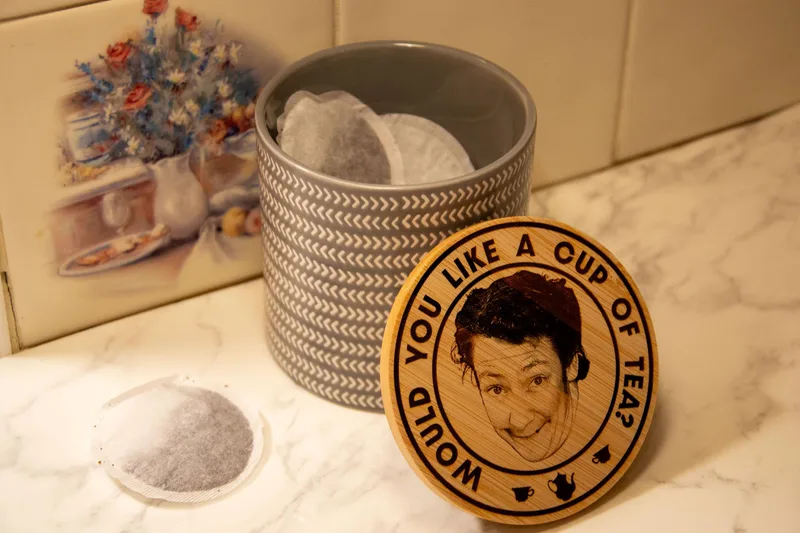
Personalization works in the kitchen when it's subtle — initials on a cutting board, a recipe card holder, something that marks the item as theirs without turning it into a novelty mug. If they cook for a specific person or occasion regularly — Sunday dinners for the family, holiday baking every December — a custom piece that nods to that ritual tends to land better than something generic. A personalized gift built around how they actually use their kitchen reads as thoughtful, not gimmicky.
Think Beyond the Stove
Not every good kitchen gift lives in the kitchen category. A cook who takes pride in what they make often appreciates how it's presented — serving pieces, a proper cheese board, or a small piece of art for the dining space that references their cooking life. Look at home and living more broadly for pieces that celebrate the cook rather than restock their toolkit.
Consider the Experience, Not Just the Object
Some of the best gifts for an established home cook aren't things at all — a class in a technique they haven't tried, a subscription to a specialty ingredient box, or simply a night where someone else does the dishes after they cook. If you do want a physical gift, pairing something small and useful with a note about why you chose it goes further than a bigger, less considered item. Browse the wider gifts collection if you want to combine a practical piece with something more personal.
FAQ
What if I don't know their skill level?
Lean toward consumables like specialty ingredients or a nice board rather than technical equipment — they're useful at any skill level and won't clash with gear they already own.
Is a cookbook a safe choice?
Only if you know their exact collection and cooking style well; a general cookbook is one of the easiest gifts to accidentally duplicate. A tool or ingredient tends to be safer for someone you don't know intimately.
What's a good gift for someone who bakes rather than cooks savory food?
Look for baking-specific consumables and small tools — good vanilla, a bench scraper, a proper set of measuring tools — rather than general kitchen gadgets, since bakers tend to have very specific gear preferences.
Does personalization make sense for kitchen gifts?
Yes, when it's understated — initials, a name, or a nod to a family recipe works well on boards, linens, or serving pieces, but avoid anything that feels like a novelty item rather than something they'd actually use.
What's a reasonable budget for a gift like this?
A thoughtful upgrade to a daily-use tool or a quality consumable can work at almost any budget — the specificity matters far more than the price. Spend more on materials and craftsmanship for a single item rather than spreading the budget across several generic pieces.
What if they've told me they don't need anything?
That's usually a sign to buy something they wouldn't buy themselves, like a specialty ingredient or a small luxury upgrade, rather than skipping a gift entirely — it respects their word while still giving them something to enjoy.
If you want to look further at gifts that combine everyday usefulness with a personal touch, our gifts collection is a good place to start.
What do you get someone who already has all the kitchen basics?
Get an experienced home cook an upgrade or a specialty item they would not buy for themselves: a premium chef's knife, a single high-quality pan, small-batch spices, or good finishing salts and oils. The goal is depth over duplication. Since they already own the essentials, lean toward ingredients, a niche tool for a technique they love, or something from kitchen and dining that raises the everyday experience.
Are consumable food gifts a good idea for home cooks?
Consumable food gifts are an excellent choice for home cooks because they never duplicate existing gear and get genuinely used. Think aged vinegars, single-origin chocolate, artisan pasta, a curated spice set, or a local specialty they cannot easily buy. These gifts respect that a serious cook already owns their tools and would rather receive great ingredients to actually cook with than another gadget.
How do you shop for a home cook without knowing their kitchen?
When you do not know their kitchen, choose gifts that are hard to over-own: quality consumables, a cookbook tied to a cuisine they love, or a gift toward a class or experience. Avoid tools, since duplicates are common and preferences are personal. Ingredients, flavor-focused items, and anything tied to a specific cuisine they enjoy are far safer than guessing which spatula or pot they still need.
Is it worth personalizing a gift for someone who cooks?
Personalizing a cook's gift is worth it when it stays useful, like an engraved cutting board, a custom apron, or a recipe kept from a loved one and printed to display. The key is that personalization should not compromise function. A monogrammed board they actually chop on beats a decorative keepsake that never leaves the drawer, so prioritize items they will reach for daily.
Reviews & comments
See every public review for this Journal story and leave your own note.