 All stories


What do you buy for someone whose watch already knows more about them than you do? The runner in your life owns a device that logs their sleep, their pace, their heart-rate zones, and possibly their stress level while opening your last gift. The obvious move, buying them more tracking, is almost always wrong: the data layer of their life is fully built, deeply personal, and researched to a degree that makes guessing hopeless.
So people wing it in the other direction and hit the second trap: running gear is worn on a moving body for hours, which makes it brutally unforgiving about size, fabric, and fit. The wrong sock seam matters at mile nine. Cotton that felt soft in the store holds sweat and chafes on the road. A guessed shoe is not a near-miss, it is an injury conversation. The good news is that between the saturated data layer and the size-sensitive gear layer sits a wide, safe middle: comfort, recovery, and celebration, where thoughtful gifts land without a single measurement.
The Short Answer
Skip trackers and shoes entirely unless the runner has named an exact model and size. Give the layers around the running instead: one-size comfort items like hats and headbands, recovery gifts for the hours after the miles, and celebration pieces that honor races already finished. Anything worn needs a known size; anything eaten needs a known stomach; everything else is open. When in doubt, recovery is the most under-gifted lane in the sport.
Think in Three Layers: Data, Comfort, Recovery
The data layer, watches, smart rings, chest straps, and foot pods, is request-only territory. These devices sync into an ecosystem the runner has already committed to, and a duplicate or off-platform tracker is landfill with a screen. The exception is explicit: if they have said the exact model they want, buying it is a great gift, and the picks under this story show what that request can look like. One hard warning on smart rings specifically: they are sized like jewelry, in exact ring sizes, and a wrong size does not stretch. Never buy one without knowing the finger measurement, ideally from a sizing kit they have already used.
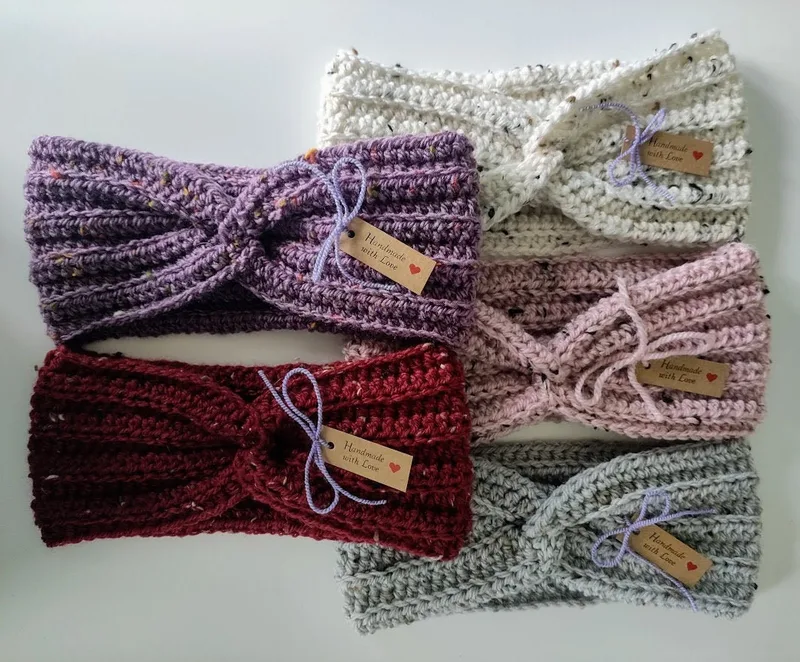
The comfort layer is where unsized and one-size items live: running caps and bucket hats for sun, headbands, gloves for cold starts, quality anti-chafe balm, and merino or synthetic accessories that manage sweat instead of holding it. The recovery layer is the runner's blind spot and your opportunity: massage balls and rollers, warm socks for after long runs, and unapologetic indulgences from bath and beauty, because a person who ran twenty miles has strong feelings about hot water. Runners spend freely on the run itself and neglect the twenty-two hours after it; gifts that live in those hours feel unexpectedly luxurious.
The Sizing Problem, and How to Work Around It Quietly
Fit is the single biggest reason running gifts fail, so build your idea around what you can actually know. Hats, buffs, most headbands, and many gloves come in one size or forgiving size ranges, which is exactly why they are the workhorse gifts of this category. For anything sized, there are quiet routes: check the label of a jacket they already own, ask a partner or training buddy, or for rings, gift the sizing step itself as part of the present rather than guessing a number. What you should not do is infer size by eye. Running apparel sizing runs inconsistently across brands, and shoes are the extreme case, varying by model even within one brand, which is why runners buy their own shoes without exception. If you want to fund the shoes anyway, a contribution toward their next pair, stated plainly in a card, is a genuinely appreciated gift with zero fit risk.
Celebrate the Miles Already Run
The most emotionally durable runner gifts look backward, not forward. A framed custom piece built around their finisher photo, or commissioned portraits and custom art of them mid-stride at a race that mattered, turns a finish line into a permanent object. Medal and bib displays do the same job for people with a drawer full of race hardware and nowhere to put it. These gifts sidestep every trap in the category at once: no size, no platform, no stomach compatibility, and no chance they already own it. For a first marathon or a comeback race after injury, nothing in the gear aisle competes.
What to Look For (and What to Skip)
Look for:
- Technical fabrics: merino wool or synthetics that wick moisture, in anything meant to be worn moving.
- One-size or size-range items when you do not have exact measurements.
- Reflective details on anything for outdoor wear; most training happens at dawn or dusk.
- Machine-washable everything. Runners generate laundry at an industrial rate.
- Recovery-lane gifts, which are chronically under-owned even by well-equipped runners.
Skip:
- Running shoes, in any circumstance short of an exact model, colorway, and size in writing.
- Cotton anything for the run itself; it soaks, stays wet, and chafes.
- Another fitness tracker, unless answering an explicit request with the exact device.
- Gels, chews, and supplements, unless you know precisely what their stomach tolerates on the move; mid-run nutrition is discovered through hard trial and error.
- Novelty "runner" mugs and shirts by default; one is funny, and most runners received theirs years ago.
What Each Budget Actually Buys
At the entry tier, excellence is cheap: premium running socks, a quality cap, or anti-chafe balm are small-ticket items runners are delighted to receive because good versions genuinely outperform cheap ones, and most sit among gifts under 30 dollars. The solid tier buys a serious recovery tool, a technical cold-weather accessory set, or a well-made piece from the accessories aisle they would call an indulgence. The heirloom tier is commissioned race art, a framed celebration of a specific finish, or the funded shoe contribution; and if they have requested a specific device from the electronics and accessories world, that request answered exactly. Spend precision, not just money, as the tiers rise.
Mistakes People Make
- Gifting shoes by guesswork. Shoe fit is personal down to the millimeter and the model. Fix: fund the next pair with a contribution and a card, and let them choose.
- Buying a tracker they never asked for. The ecosystem is chosen; you cannot improve it from outside. Fix: only fulfill exact, stated requests in the data layer.
- Defaulting to cotton. The comfy graphic tee becomes a chafing hazard the first time it meets a long run. Fix: check the fabric label for merino or technical synthetics before buying anything wearable.
- Guessing at run fuel. Gifting gels to a runner with an untested stomach is gifting a bad race. Fix: celebrate with post-run treats instead, where taste is the only requirement.
Should I buy running shoes as a gift?
Almost never as a surprise. Shoe fit varies between models within the same brand, and runners often size differently in running shoes than in daily shoes; many are also loyal to a specific model for injury-prevention reasons. The respected alternative is funding: a contribution toward their next pair, stated in a card, delivers the full generosity with none of the fit risk, and runners universally understand the gesture.
What can I get a runner who tracks everything already?
Aim at the hours after the run rather than the run itself. Recovery tools, warm post-run layers, quality socks, and hot-water indulgences serve every runner and duplicate almost nothing they own. The other reliable lane is celebration: medal displays or custom art built around a race they finished. Their tracking obsession actually helps you here; anyone that committed has milestones worth commemorating.
Are smart rings a good gift for runners?
Only as a fulfilled request, never as a surprise. Rings are sized like jewelry in exact sizes, and the runner may already be committed to a watch ecosystem that a ring would duplicate rather than complement. If they have specifically said they want one, get the exact model and confirm the finger size through a sizing kit first. Otherwise, the same budget lands more safely in recovery or celebration gifts.
What is a good non-gear gift for a marathon finisher?
Commemorate the specific race. Custom artwork built from their finisher photo, a framed print of the course, or a display for the medal and bib turns months of invisible training into a permanent object. Recovery indulgences land beautifully in the same week: the days after a marathon are sore, proud, and unhurried. What you are honoring is the accomplishment, not the equipment, and finishers feel the difference immediately.
Reviews & comments
See every public review for this Journal story and leave your own note.