 All stories


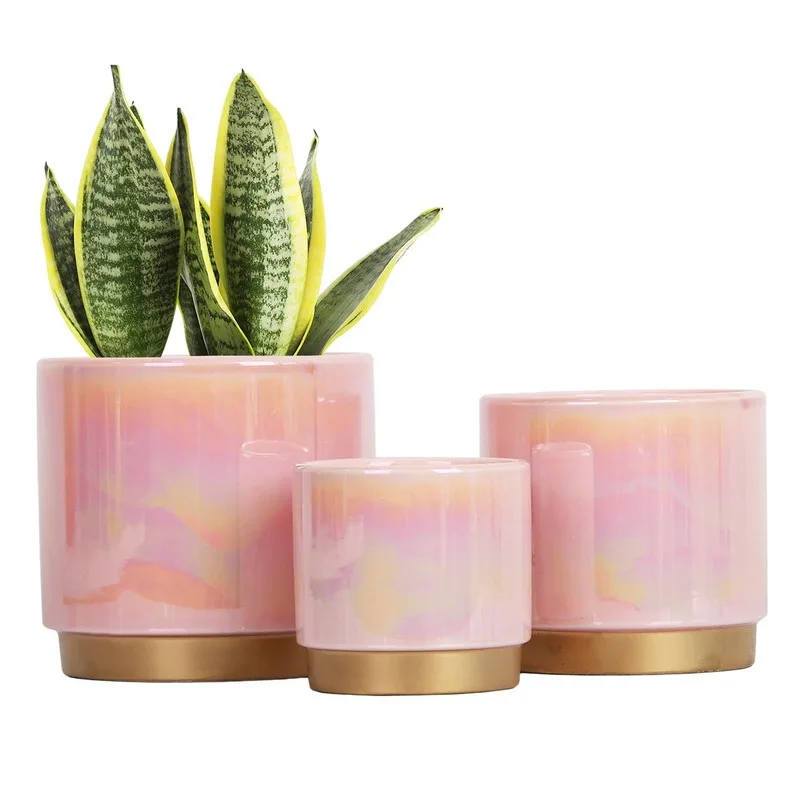
The worst gift for a plant person is very often a plant. It sounds backwards until you watch it happen: the recipient already curates their collection with the care of a museum registrar, knows exactly which windowsill has east light, and now must find space, matching conditions, and emotional room for a surprise fern they didn't choose. If it dies, they feel guilty. If it lives, it lives where something they wanted would have gone. Either way, you've given them a responsibility wearing a bow.
What plant people run out of is never plants. It's everything around the plants: pots one size up for the monstera that outgrew its nursery pot months ago, saucers that actually fit, decent tools, somewhere to put cuttings. The gear is the gift, and it has a property plants don't; it can't die on them.
The Short Answer
Skip the living plant unless it was specifically requested, and gift the infrastructure instead. The safest excellent choice is a well-made ceramic pot with a drainage hole and saucer in the 5-to-7-inch range, which is the size healthy houseplants are perpetually graduating into. Beyond pots, look at quality tools, a watering can that pours precisely, propagation vessels, or plant-themed art for their walls. Every one of these gets used; none of them adds a care obligation.
Gear Beats Greenery
The decision framework for this category is a short ladder. Ask what stage the person's hobby is at, then gift one step ahead of it.
- New plant parents, a few pots on a sill, need the basics done well: a couple of good containers, a small tool set, a mister or precise watering can.
- Established collectors, plants in every room, need capacity and upkeep: larger pots for upgrades, saucers, stakes and ties, a proper potting mat that contains the mess of repotting day.
- The fully converted, shelves with grow lights, appreciate the specialized and the decorative: propagation stations, humidity trays, and plant-themed pieces for the one wall that doesn't have a plant on it.
If you don't know their stage, default to the middle; a good mid-size pot serves everyone from beginner to obsessive. And if you're determined to give something living, make it a gift-in-principle instead: a card promising a trip to the nursery together, where they choose. You supply the outing and budget; they supply the judgment about light and space.
Pots: The Gift They Actually Want
A pot seems boring until you understand the economics of the hobby. Healthy houseplants outgrow their containers every year or two, which means an active collector faces a constant, low-grade shortage of the next size up. Meanwhile, genuinely attractive pots cost enough that people defer buying them for themselves. That intersection, perpetually needed and slightly too indulgent to self-purchase, is exactly where good gifts live.
Getting the details right matters, because pots have a real spec sheet. The non-negotiable is a drainage hole; water has to escape, or it pools at the roots and rots them. A surprising share of decorative pots are sold without one, which relegates them to cachepot duty, meaning a sleeve that hides a plastic pot. Legitimate, but a pot with a hole and matching saucer is strictly more versatile, and the saucer protects the shelf underneath.
Material changes how the pot behaves, not just how it looks. Unglazed terracotta is porous, so it wicks moisture out of the soil and dries faster; ideal for succulents, cacti, and chronic overwaterers. Glazed ceramic holds moisture longer, which suits ferns and other thirsty tropicals, and carries color and pattern in a way raw clay can't. Neither is better; they're tools for different plants, which is also why a small set of pots in mixed sizes, like the ceramic-with-drainage sort in the picks under this story, makes such a practical gift for someone with a varied collection.
On size: repotting convention is to move up one to two inches in diameter at a time, because a pot that's dramatically too big holds soggy soil the roots can't reach and invites rot. The 5-to-7-inch range is the workhorse zone most collections constantly need. When in doubt, size down; a slightly snug pot is a far smaller problem than a swampy one.
Beyond Pots: The Rest of the Toolkit
Once the pot slot is covered, the supporting cast makes strong gifts, and most of it sits in everyday home and living territory.
A watering can with a long, narrow spout sounds trivial and isn't; it waters the soil instead of the leaves, and reaches the pot at the back of the shelf. A brass or stainless mister serves the humidity-loving plants. A small tool set sized for indoor work replaces the kitchen-spoon-and-scissors system most people quietly use, and a potting mat converts repotting from a floor-cleaning event into a contained ritual.
Propagation gear deserves special mention because it flatters the recipient. Glass vessels for rooting cuttings in water say you've noticed they're good enough at this to make new plants from old ones. It's equipment that doubles as a compliment.
And there's the decorative wing: botanical prints, plant-themed ceramics, and for the sentimental route, custom art. An illustrated portrait of someone surrounded by their actual collection is the kind of piece plant people don't see coming; portraits and custom art covers that direction. For someone who just moved, plant-adjacent gear also happens to be the rare housewarming gift that helps furnish the new place rather than clutter it.
What to Look For (and What to Skip)
Look for:
- Drainage holes and included saucers on any pot; the listing should state both clearly.
- The 5-to-7-inch diameter range when you don't know their collection; it's the most-needed size.
- Material matched to likely use: porous terracotta for dry-loving plants, glazed ceramic for thirsty ones.
- Sturdy, simple tools in metal rather than novelty-printed plastic.
- Neutral colors and clean shapes if you don't know their aesthetic; the plant is meant to be the show.
Skip:
- Living plants, unless explicitly requested or given as a choose-it-together outing.
- Pots without drainage, unless you're knowingly giving a cachepot and say so.
- Tiny novelty planters shaped like animals or faces; they hold a thimble of soil, dry out fast, and rarely match anyone's actual collection.
- Cut-flower bouquets as a stand-in; plant people appreciate them fine, but they're a different gift than the hobby-supporting one you intended.
- Gadget-heavy "smart" solutions for a person whose whole hobby is the analog attention; check their appetite for tech before assuming.
Where the Money Goes
The entry tier is honest and useful: a single good pot with saucer, a solid mister, or a set of tools, much of it findable among gifts under $30. Nothing in this hobby requires spending big to be genuinely welcome.
The solid tier is the small bundle: a set of graduated pots, or one larger statement pot plus the tool set, or a propagation station with a nice card. This is the sweet spot for close friends and family, enough to feel like an occasion without outrunning the hobby.
The heirloom tier is where craft enters: a large handmade ceramic planter, a plant stand in real wood, or commissioned botanical art. Handmade ceramics cost more because each piece passes through individual hands and firings, and for the right person one beautiful vessel outlasts every plant that will ever live in it.
Mistakes People Make
- Gifting a surprise plant. It arrives needing light, space, and a watering schedule the recipient didn't sign up for. Fix: gift gear, or a nursery trip where they choose.
- Buying the gorgeous pot with no drainage hole. It photographs beautifully and drowns roots. Fix: confirm the hole and saucer in the listing, or gift it explicitly as a cachepot.
- Going dramatically oversized. The 12-inch statement pot for a 4-inch plant creates a soggy soil mass that invites rot. Fix: stay one to two inches above the current pot; when unsure, choose 5 to 7 inches.
- Matching your taste instead of theirs. A loud glazed pattern can clash with a carefully neutral shelf. Fix: default to simple shapes and quiet colors unless you know their style.
- Assuming plant person means garden person. Indoor collectors and outdoor gardeners need different gear entirely. Fix: picture where their plants actually live before you buy.
Should you give a plant as a gift?
Only if the person asked for that specific plant, or you're giving the choosing experience, like a nursery trip together with you covering the bill. A surprise plant obligates the recipient to house and keep alive something they didn't select, in conditions you can't assess from outside. Gear, pots, tools, and accessories deliver the same "I see your hobby" message with none of the imposed responsibility.
What size pot should you buy as a gift?
The 5-to-7-inch diameter range is the safest bet; it's the size healthy houseplants are most often graduating into. Repotting convention moves a plant up one to two inches in diameter at a time, so dramatic size jumps backfire by leaving soil wet longer than roots can handle. If you're choosing between two sizes, take the smaller; snug is recoverable, swampy often isn't.
Do indoor plant pots really need drainage holes?
For direct planting, yes; without an exit, water accumulates at the base and rots roots, which is among the most common ways houseplants die. Pots without holes still have a role as cachepots, decorative sleeves that hide a plain plastic nursery pot, so water drains inside and stays contained. If you gift a no-hole pot, present it as a cachepot so the recipient knows the intended use.
What do plant lovers actually want as gifts?
The unglamorous perpetual shortages: the next size of pot with drainage and saucer, quality tools, a precise watering can, propagation vessels, a potting mat. Ask what their plants have outgrown and you'll get a shopping list on the spot. For a sentimental angle, plant-themed art or a custom illustration of their actual collection lands well, since it celebrates the hobby without adding a single care obligation to it.
Reviews & comments
See every public review for this Journal story and leave your own note.