 All stories


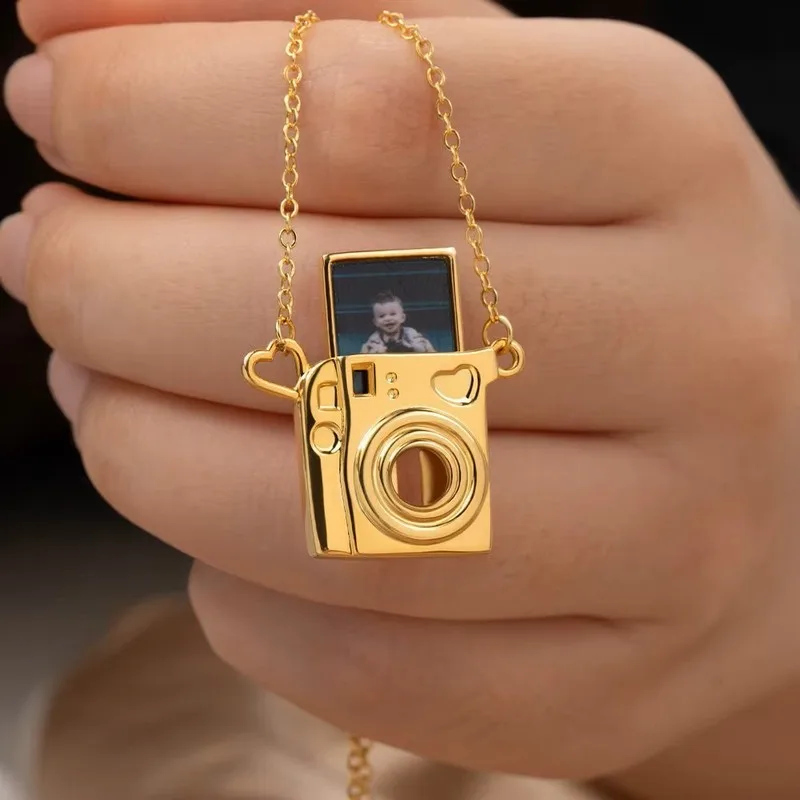
The worst person to buy camera equipment for is a photographer. That sounds backwards until you look at how a camera kit gets built: every lens, filter, memory card, and strap in the bag is the result of deliberate decisions about mounts, thread sizes, speed ratings, and weight. A well-meaning guess from outside that system does not get used. It gets exchanged, or worse, kept out of politeness and quietly resented for occupying space in a bag where every gram is accounted for.
So most people retreat to the novelty aisle — the mug shaped like a lens, the shirt with a shutter joke — and photographers accumulate these the way teachers accumulate apple ornaments. There is a better territory between those two failures, and it starts with noticing what almost every photographer has in common: thousands of good images and almost nothing on the walls.
The Short Answer
Skip anything with a specification — lenses, filters, cards, batteries — unless you were handed an exact model number. The gifts that land celebrate the work or the person instead: a genuinely well-made print of a photo they are proud of, framing worthy of it, prints from photographers they admire, or a subtle piece that nods to the craft without shouting it. You are not upgrading their camera; you are treating their photography like it matters.
Why Gear Guesses Go Wrong
Camera systems are unforgiving of approximation. Lenses mount to specific brands and often specific lines within a brand. Screw-in filters come in many thread diameters, and the right one depends on which lens it is for. Memory cards vary by format and speed class, and the wrong one can bottleneck a camera. Bags are chosen around the exact shape of an existing kit. Even when a guess is technically compatible, it usually duplicates a decision the photographer already made differently, and gear they did not choose rarely earns a place in the bag. The only safe equipment gift is the precise item they named, down to the model — at which point you are executing their wish, not choosing a gift.
The Output Gap Is Your Opening
Here is the useful asymmetry: photographers shoot constantly and print almost never. The images sit on drives and phones, shared once and buried. A gift that moves one image into the physical world does something they perpetually postpone for themselves. That gap gives you three honest routes, and you can pick by listening to how they talk about photography. If they light up about specific shots they have taken, print their work — beautifully, at real size. If they talk about photographers and images they admire, give them someone else's work to live with: a framed print chosen for their walls sits happily in home decor territory, and photography made by others is a gift no photographer resents. If the camera is simply part of who they are, celebrate the person — a subtle piece of jewelry with a camera motif, especially one personalized with an actual photo, says the identity is seen. The picks under this story span all three routes.
Getting a Print Made Well
If you take the first route, quality is the whole gift. A cheap print of a great photo is worse than no print. The word to know is giclée: pigment-based inkjet printing on archival paper, which resists fading far better than ordinary photo printing and is the standard for art reproduction. Pair it with an acid-free mat and a real frame, or go frameless with an acrylic face-mount for a more contemporary look — the photo bonded behind a clear acrylic sheet, which suits bold, high-contrast images. Choose an image they have shared publicly and proudly; their portfolio highlight, not a random camera-roll pull. You are not guessing at their taste — you are ratifying it.
Size and placement deserve one more thought than they usually get. A print meant as a gift should be large enough to hang alone — small prints read as samples, not statements — and if you know their walls at all, matching the orientation of an obvious empty spot removes the last barrier between unwrapping and hanging. The fastest way a print gift dies is by waiting in a closet for a frame decision, so give it framed, finished, and ready for a nail.
What to Look For (and What to Skip)
Worth your money:
- Archival language you can verify: giclée, pigment inks, acid-free or cotton-rag paper
- An image they have publicly celebrated — pinned, framed nowhere, but posted more than once
- Subtle craft references: a small pendant, a fine print, not a costume
- Personalization with substance, like a locket-style piece that holds an actual photograph
- Prints from working photographers and artists they follow or would
Save your money:
- Any lens, filter, card, battery, or bag chosen without an exact model name
- Lens-shaped mugs and shutter-pun apparel — assume they own several already
- Gadget-tier accessories that promise to improve their photos; they will not be trusted
- Software or subscriptions tied to their editing workflow, which is as personal as the camera
What to Spend: Entry, Solid, Heirloom
At the entry level, a subtle motif piece or a small framed print does the job without ceremony. The solid middle is where the output gap closes: a large, properly made print of their own best image, matted and framed, or a well-bound album of a trip or a year. At the heirloom end sits gallery scale — a statement acrylic or framed piece for the main wall — or a commission that flips the lens: a custom caricature or portrait of the photographer themselves, camera in hand, from portraits and custom art. People who spend their lives behind the camera are chronically missing from their own archives, which makes custom art of them one of the few genuinely surprising gifts available. The wider field of personalized gifts works the same way: the more it references their actual work, the better it lands.
Mistakes People Make
- Buying gear that is "probably compatible." Fix: if they want equipment, get the exact model number in writing, or give them the means to choose it themselves.
- Printing a great photo cheaply. Fix: spend the same total on a smaller print made archivally rather than a big one made badly; quality reads instantly to a photographer.
- Adding to the novelty pile. Fix: one subtle, well-made reference to the craft beats another joke object; when in doubt, honor the work instead of the hobby.
- Forgetting phone photographers count. Fix: someone who shoots seriously on a phone has the same output gap and no gear to guess at — printing their work is the entire playbook.
What if they actually asked for camera gear?
Then the rules invert: buy precisely what they named, down to the model and variant, and do not improvise an upgrade or a "better deal" on a different brand. If they were vague, ask for a link or a written model number — photographers are happy to be specific. An almost-right piece of equipment is the one gift category where close counts as wrong.
Is it okay to print one of their photos without asking?
Generally yes, if you choose an image they have shared publicly and clearly take pride in — that is their own endorsement of the shot. The risk is not permission; it is quality and crop. Order it archivally, keep the full frame rather than cropping to fit a mat, and when unsure between two images, pick the one they have posted more than once.
What makes a print "archival," and does it matter?
Archival printing combines pigment-based inks — the giclée process — with acid-free or cotton papers, so the image resists fading and yellowing over decades instead of years. For a gift meant to hang on a wall permanently, it matters a great deal; ordinary quick prints can shift visibly within a few years in daylight. The label to trust is the materials list, not the word premium.
What do you get a photographer who prints their own work?
Shift to what surrounds the print: framing for pieces they have finished, an album or portfolio box for a completed project, or work by other photographers for their own walls. Serious printers almost never frame as much as they print. Alternatively, leave the workflow alone entirely and go personal — custom art of them at work, or a piece referencing a photograph that matters to them.
Reviews & comments
See every public review for this Journal story and leave your own note.