 All stories


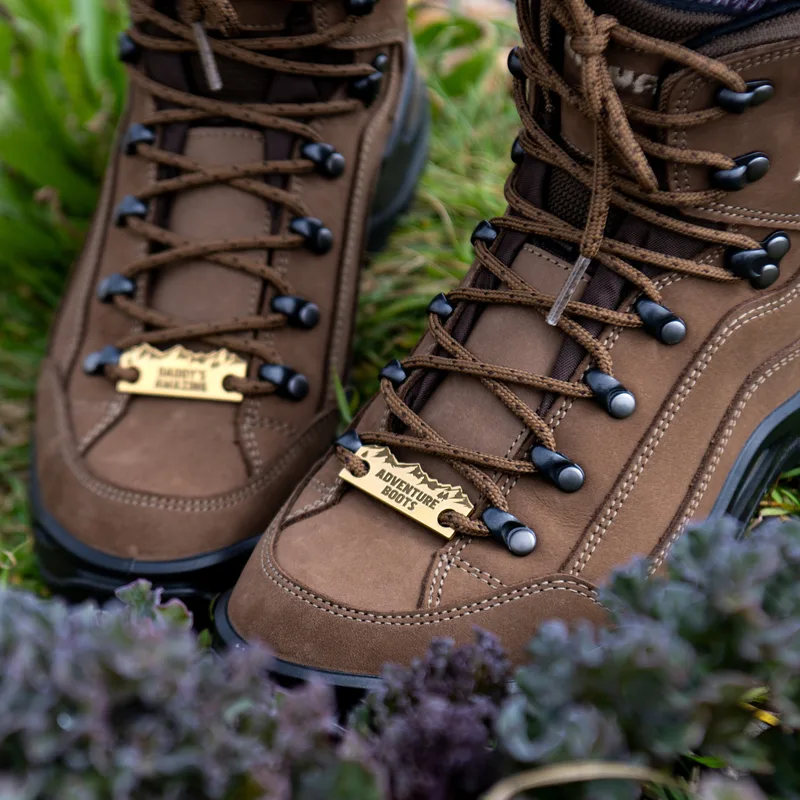
Buying a gift for someone who is happiest outdoors looks easy from a distance. The outdoor aisle is enormous, the person's passion is obvious, and yet the failure rate is high: the backpack in the wrong size, the water bottle joining six identical ones in the cupboard, the gadget that solves a problem they do not have. Outdoor people tend to have strong, specific, hard-won opinions about their gear, formed over many miles of things chafing, leaking, and failing at the wrong moment.
The trick is to stop trying to compete with those opinions and work around them instead. There is a wide band of gifts that outdoor people genuinely love receiving precisely because they would not buy these things for themselves, and none of it requires you to know their pack volume or boot size.
First, Figure Out Which Outdoors They Love
"Outdoorsy" is not one audience. A day hiker, a car camper, a backpacker counting grams, a gardener, an angler, a trail runner, a birder, and a beach person overlap barely at all in what they carry and covet. The backpacker prizes weight above everything; the car camper happily hauls a cast-iron skillet. The gardener's season peaks exactly when the skier's ends. So before buying anything, name their actual activity, and if you can, their style within it. One honest question to a partner or friend, "what does she actually do out there?", prevents most category errors. If the answer is "a bit of everything," aim your gift at the common ground all outdoor people share: getting there, eating and drinking well, staying warm and dry, and remembering it afterward.
Skip the Core Gear Unless You Know the Specs
The most expensive mistakes cluster in one category: core technical gear. Boots, backpacks, tents, sleeping bags, rain shells, and paddles are all fit-dependent, preference-dependent, and often researched by their owners for weeks before purchase. Buying these as a surprise almost guarantees a polite thank-you and a quiet return, and worse, serious outdoor people often already own a version they trust with their comfort and safety. If you are set on contributing to a big-ticket item, the graceful move is a gift card to the outdoor retailer they already shop at, with a note naming the thing it is for, or going in with others on exactly the item they have specified, model and size included. Contribution beats substitution. Where a surprise is wanted, shift your budget one ring outward, to the categories below, where fit does not matter and duplicates do not hurt.
Consumables and Comfort: The Safe Middle Ground
The reliable heart of outdoor gifting is everything that gets used up or makes the experience nicer without needing to fit. Good coffee and the means to brew it at a campsite. Trail snacks a cut above what they buy themselves. High-quality wool socks, the rare apparel item where sizing is forgiving and no one ever owns too many. Camp comfort items: a packable blanket, a good enamel mug, a lantern for the table. Care items for after the day out, balms and salves and good soap, for someone whose hobby leaves them pleasantly wrecked. These gifts work because they upgrade moments the person already has. You are not guessing at their gear philosophy; you are making their existing ritual slightly more luxurious, and plenty of it sits in under-30-dollar territory.
Small Gifts That Almost Always Land
- A headlamp or compact lantern; even people who own one appreciate a spare in the glovebox.
- A dry bag or packing cubes, useful across nearly every outdoor activity and sold in forgiving sizes; browse luggage and travel for this whole family of gifts.
- An insulated bottle or camp mug, best when you know theirs is battered.
- A paper map of their favorite area, which no dead battery can kill.
- A field guide to the birds, trees, or stars of their region.
- A repair kit: patches, seam sealer, the small unglamorous things they never restock.
- A parks pass for the region they actually visit.
- A camp chair upgrade for the car camper who has been sitting on a cooler for years.
The pattern across all of these: broadly compatible, hard to duplicate embarrassingly, and aimed at comfort or delight rather than performance.
Bring the Outdoors Inside
Some of the best gifts for outdoor people are not used outdoors at all. They are the things that let the person keep the feeling when they are home: a framed print of a landscape they love, a topographic-style piece of their favorite range for the wall, nature-leaning home decor that nods at where they would rather be. This is also where personalization does its best work. A custom illustration of a specific place that matters to them, the lake from every summer, the summit from a memorable trip, turns a generic nature print into a biography. Custom art built from their own photo, the tent at sunrise, the two of them on the ridgeline, does what no piece of gear can: it proves you know which mountain matters. For milestone occasions, this category, alongside other personalized gifts, tends to outlast any gadget.
Do Not Forget the Adventure Companion
If their happiest outdoor hours involve a dog, you have been handed the easiest brief in gift giving. Trail dogs come with their own gear universe, collapsible bowls, cooling bandanas, seat covers for the muddy ride home, and their owners buy that gear with none of the pickiness they apply to their own. Better still, the dog is a subject. A custom portrait or caricature of the dog mid-adventure, ears back and tongue out, is the kind of gift owners keep forever, and the wider world of gifts for pet lovers is full of ways to celebrate the partnership. When in doubt, honor the dog. The human will be more touched than if you had bought for them directly.
What should I avoid buying for an outdoorsy person?
Avoid surprise purchases of core technical gear: boots, packs, tents, sleeping bags, and rain shells are fit-dependent and preference-driven, and serious outdoor people usually own trusted versions already. Also skip novelty multi-tools and gadgets that add weight without solving real problems. If you want to fund big gear, use a gift card or contribute to the exact item they have specified.
Do personalized gifts work for hikers and campers?
Yes, especially personalized gifts that live at home rather than in the pack. A custom illustration of a meaningful place, artwork made from a photo of a memorable trip, or a portrait of their trail dog celebrates the passion without guessing at gear specs. These pieces tend to outlast gadgets because they are about the person's story, not their equipment.
What is a good outdoor gift under 30 dollars?
Consumables and small comforts are the reliable zone at this price: quality wool socks, good coffee or trail snacks, an enamel camp mug, a dry bag, a paper map of their favorite area, or a field guide to their region's birds or trees. These work because they upgrade rituals the person already has and cannot be wrong the way sized gear can.
What if I don't know which outdoor activity they prefer?
Aim at the common ground every outdoor person shares: getting there, eating and drinking well, staying warm and dry, and remembering the trip afterward. Packing organizers, insulated mugs, packable blankets, and quality socks fit nearly any activity. Better yet, ask someone close to them one specific question about what they actually do outside; a single answer prevents most mistakes.
For footwear specifically, browse shoes built for the outdoor conditions the recipient spends the most time in.
Reviews & comments
See every public review for this Journal story and leave your own note.