 All stories


There is a particular kind of paralysis that sets in when a non-knitter walks into a yarn shop. You find a skein that seems perfect — deep teal, soft, clearly expensive — and you have no idea whether it is the right weight, the right fiber, or enough of it to make anything at all. So you put it back, buy a mug with a sheep on it, and leave feeling like you dodged something.
You did. Buying yarn for a knitter is like buying paint for a painter in the middle of a commission: the material choices are so tied to the specific project, and to preferences you cannot see, that even a beautiful guess usually ends up at the bottom of a bin. The good news is that fiber crafters are otherwise some of the most rewarding people to buy for. They use their tools constantly, they notice quality instantly, and there is a whole territory of things they need and rarely buy for themselves.
The Short Answer
Do not buy yarn, patterns, or anything that commits them to a specific project. Buy the things they touch on every project and never get around to upgrading: storage that looks good in a living room, tools that fight tangles and hand fatigue, notions in generous quantity, and finishing equipment like blocking mats. If you want the gift to feel personal rather than merely practical, add something about them as a maker — not just more equipment for the making.
Why Yarn Is the Gift That Misses
Yarn seems like the obvious choice, which is exactly why it fails. Fiber preference is personal and sometimes physical: plenty of crafters work only in wool, others find animal fibers itchy or cannot wear them at all, and some avoid acrylic on principle. Weight matters too — lace, fingering, worsted, and bulky yarns suit entirely different projects, and a single skein of most yarns is not enough to finish anything larger than a hat.
There is also a quieter problem: dye lots. Yarn is dyed in batches, and the color can shift subtly from one batch to the next, which is why crafters buy all the yarn for a project at once. Your lone gorgeous skein cannot be matched later. It becomes a lovely object with no job, which is a strange thing to hand someone you like.
First, Figure Out Which Craft It Actually Is
Knitting and crochet look similar from across a room and are not interchangeable. Knitters work with two needles; crocheters work with a single hook; embroiderers need hoops, floss, and sharp small scissors; quilters live by rotary cutters and mats. A gift built for the wrong craft announces that you never quite looked. A ten-second glance at their project basket or their photos settles it. If you genuinely cannot tell, stay in the neutral zone that serves every fiber craft: sharp scissors, project bags, storage, good task lighting, and locking stitch markers, which work for knitters and crocheters alike.
A Simple Framework: Tangle, Fatigue, Finish
Almost every accessory worth gifting solves one of three problems, and you can pick a lane based on what you have heard them grumble about.
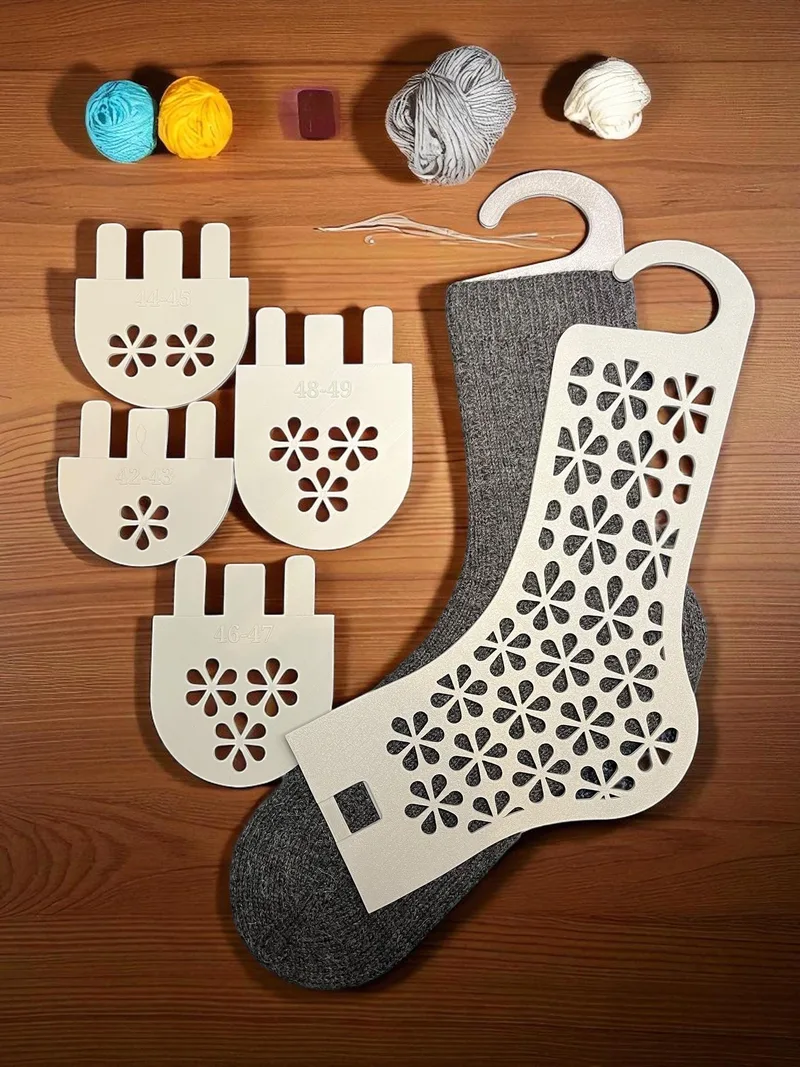
Tangle is the daily enemy. Yarn bowls and rotating yarn spinners hold the ball and feed the strand smoothly instead of letting it roll across the floor, and they are the kind of upgrade many crafters admire for years without buying. Fatigue is the long-session enemy: ergonomic hooks, cushioned grips, and adjustable tension rings — worn on a finger to guide the working yarn — take real strain off the hands during marathon projects. Finish is the neglected stage: blocking mats and pins let a knitter wet or steam a finished piece and pin it out to its intended shape, which is the difference between handmade and homemade. The picks under this story sit squarely in this territory for a reason.
What to Look For (and What to Skip)
Worth your money:
- Smoothly finished wood or metal tools with no rough edges — anything that snags fiber is unusable
- Adjustable versions of sized things: tension rings that fit different fingers, expandable project bags
- Quantity over novelty for consumables — stitch markers and tapestry needles vanish constantly, and nobody minds owning forty
- Kits that produce a finished object they would actually use, with real materials included
- Storage handsome enough for the living room, because that is where the craft actually happens
Save your money:
- Single skeins of luxury yarn, however beautiful, for all the reasons above
- Novelty merchandise about knitting rather than tools for it — the sheep mug has been given many times
- Basic hook or needle sets, since experienced crafters already own versions they chose deliberately
- Strongly scented anything stored near fiber, because yarn holds onto odors
What to Spend: Three Honest Tiers
At the entry level, notions and small tools — markers, tension rings, a well-made project pouch — cost little and get used almost daily, which is a rare ratio in gifting; many solid options live under gifts under $30. The middle tier is where the workhorse upgrades sit: a yarn spinner or bowl, a blocking set, an ergonomic hook collection, a serious caddy from craft supplies and tools. At the heirloom end, think hand-turned wooden tools, a piece of furniture-grade storage, or commissioned art — things that outlast any single project.
Make It About the Maker, Not Just the Making
Here is the imbalance nobody corrects: crafters give handmade things constantly and almost never receive anything made specifically for them. That is where a personal gift lands hardest. A custom caricature or portrait of them buried happily in their yarn stash, needles in hand, current project on their lap, turns the hobby into the subject. On JediPic you brief the artist with photos and details — the craft, the chair, the cat that supervises — and review a proof before it is finished. Browsing personalized gifts with their craft in mind works the same way: the best options reference what they make, not just their name. For a fellow maker in your life, it is the rare gift from gifts for friends territory that acknowledges the hours, not just the hobby.
Mistakes People Make
- Buying yarn anyway because it feels like the thoughtful choice. Fix: if you want them to have yarn, ask for their wishlist or the exact skein and colorway they have been eyeing — crafters always know.
- Assuming knitters crochet and crocheters knit. Fix: look for needles versus a hook before you buy anything craft-specific.
- Giving beginner kits to experienced makers. Fix: kits work best for an adjacent craft they have not tried — a knitter may love a basket-making or embroidery kit precisely because it is new ground.
- Gifting homework. A pattern plus the yarn for it assigns them a project. Fix: give tools that serve whatever they already want to make; their queue is theirs.
Can I ever give yarn safely?
Yes, in exactly two situations: they told you the specific yarn, weight, and colorway they want, or you are buying from a wishlist they maintain. In either case, buy the full quantity for a project rather than a single skein, since dye lots make matching later unreliable. Absent that information, spend the same money on tools or storage — the gratitude will be less polite and more real.
What if I don't know whether they knit or crochet?
Look at their tools: two straight or circular needles means knitting, a single hook means crochet. If you cannot check, choose gifts that serve both — sharp embroidery scissors, a project bag, a yarn bowl or spinner, task lighting, or locking stitch markers, which suit both crafts. Avoid hooks, needles, and patterns entirely until you know which side of the aisle they live on.
Are craft kits a good gift for experienced makers?
They can be, if you aim sideways rather than down. A kit in their own craft at beginner level reads as condescending, but a well-made kit in a neighboring craft — basketry, embroidery, punch needle — offers a low-stakes way to try something new with all materials included. Look for kits with quality components and a finished object worth keeping, not a practice piece destined for a drawer.
How do I avoid buying something they already own?
Favor consumables in quantity, which nobody minds duplicating, or clear upgrades on things that wear out — bags, mats, lighting. Personalized items are duplicate-proof by definition, which is part of their appeal. If you can manage a casual look at their craft space, note what is missing or visibly tired rather than what is present; the gap is your shopping list.
Reviews & comments
See every public review for this Journal story and leave your own note.