 All stories


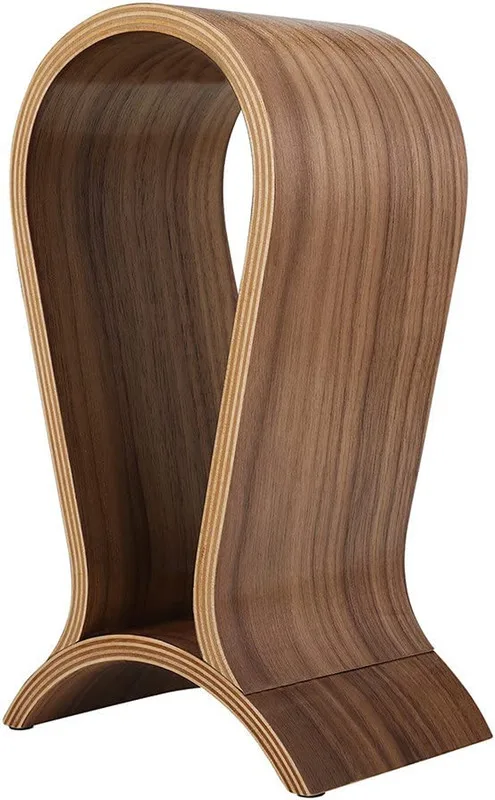
The classic failure runs like this: a well-meaning relative walks into an electronics aisle, picks the headset with the most aggressive box, and gifts it to someone who has spent four hundred hours in reviews, forums, and comparison videos before choosing their current one. The gift is not bad. It is worse than bad: it is a downgrade the recipient now has to display politely. Gamers are among the most opinionated recipients on earth about their own equipment, and the more serious they are, the narrower the target gets.
The instinct behind the mistake is sound, which is what makes it so common. You want to buy inside the hobby, because the hobby is what they love. The correction is not to retreat to gift cards and socks; it is to aim at the part of the hobby where they have no strong opinions yet. Every gamer's setup has a core they obsess over and a perimeter they neglect, and the perimeter is where good gifts live.
The Short Answer
Never buy core gear, meaning the controller, headset, mouse, keyboard, or monitor, unless they have named the exact model themselves. Buy the perimeter instead: desk organization, session comfort, and things that celebrate their gaming identity. Perimeter gifts need no platform knowledge, rarely duplicate anything, and get touched every single day. A well-made headphone stand outperforms a guessed headset every time, at a fraction of the risk.
Core Versus Perimeter: the Only Framework You Need
Sort any idea into one of two buckets before you spend a dollar. Core gear touches gameplay performance and personal feel: anything their hands rest on, anything on their head mid-match, anything displaying the picture. Preferences here are intense, researched, and frequently irrational in ways the owner will defend to the death. Unless you have an exact model name in writing, treat the entire bucket as off-limits.
Perimeter gear is everything around the play: where the headset hangs when it is off, what the cables run through, what they drink from during long sessions, what the room looks like on camera, what their wrists rest on. Opinions here are mild to nonexistent, which means a thoughtful upgrade meets no resistance. The test is one question: does this object affect how the game plays, or how the space feels? Buy only in the second category. The lone exception to the core ban is the public wishlist; if they maintain one, buying from it precisely, exact model and exact variant, is not lazy, it is fluent.
The Desk Is Your Territory
The desk is where perimeter gifting gets concrete, and it is why the catalog picks under this story lean the way they do. A solid headphone stand in wood or metal solves a real daily problem, because every headset otherwise lives its off-hours flat on the desk or hooked on a monitor corner. Cable management trays and sleeves turn the under-desk spaghetti into something they stop being embarrassed about on camera. A large desk mat unifies the whole surface. Controller and game storage keeps the floor honest.
Then there is session comfort, the most neglected lane of all: a genuinely good water bottle or insulated mug that survives a four-hour raid, a wrist rest, a lap blanket for winter sessions, a small desk lamp that lights the keyboard without glaring on the screen. None of these require knowing whether they play on a console or a decade-old custom PC, and all of them are in daily service within a week. Plenty of the best options here sit comfortably among gifts under 30 dollars.
Identity Gifts: For the Player, Not the Setup
The other reliable lane celebrates the person behind the screen name. Commissioned art is the strongest move here: an individual caricature of them posed with their in-game persona, or a custom piece built around their handle, turns hundreds of invisible hours into something on a wall. Game-adjacent media works too, from art books to soundtracks from books, movies and music, if you know a title they genuinely love. One warning on franchise merchandise: know the difference between the game they play now and the game they played three years ago. Gaming loyalties move fast, and a shrine to an abandoned title reads as out of touch. When in doubt, ask what they have been playing lately; it is one question, and gamers love answering it.
What to Look For (and What to Skip)
Look for:
- Platform-agnostic items that work identically for PC, console, and handheld players.
- Real materials: steel, aluminum, and solid wood on desk goods, which survive daily use and look better on camera than plastic.
- A stable, weighted base on anything that holds equipment; a stand that tips under a heavy headset is worse than no stand.
- Things that improve the room off-screen too, since most gaming desks are also work desks now.
- Quiet. No fans, no speakers, no beeping. They have opinions about their audio already.
Skip:
- Anything from the core bucket, however good the sale looks.
- The RGB-everything aesthetic, unless their current setup already glows. Many players prefer wood, fabric, and calm.
- Energy-drink and junk-food gag gifts, which were tired years ago.
- Game codes and editions without exact platform knowledge; a title on the wrong storefront is a paperweight.
- Cheap "gamer" bundles from electronics and accessories aisles that fake the category with red-and-black plastic.
Spending Tiers That Make Sense
At the entry tier, a well-made single accessory, a stand, a mat, a bottle, lands better than a bundle of flimsy ones; concentration beats coverage. The solid tier is a desk upgrade in real materials or a media piece tied to a game they love, the sort of thing they would not buy themselves while saving for core gear. The heirloom tier is commissioned art of their character or persona, or, for a group of friends chipping in together, a serious contribution toward the exact big-ticket item on their wishlist. Never guess at the top tier; at that price, precision or pooling are the only good options.
Mistakes People Make
- Buying a headset because it was discounted. The discount does not fix the guess. Fix: redirect the same budget to the perimeter, where there are no wrong models.
- Guessing the platform. PC, PlayStation, Xbox, and Switch ecosystems barely overlap. Fix: one casual question, "what have you been playing on lately," settles it without spoiling anything.
- Assuming the neon aesthetic. Buying glowing gear for someone with a minimalist oak-and-linen setup misfires visibly. Fix: glance at their desk, or their video-call background, before choosing a style.
- Feeling guilty about gift cards. For gamers specifically, a storefront gift card is genuinely appreciated, because new releases are a constant expense. Fix: pair the card with one physical perimeter item so there is still something to unwrap.
What is a good gift for a gamer who already has everything?
They have everything in the core; almost nobody has a finished perimeter. Look at where their headset sits when it is off, what their cables look like, and what they drink from during sessions; one of those is your gift. If the desk truly is complete, move to identity: commissioned art of their character, or media from a franchise they love. The hobby's edges are never done.
Are gift cards a lazy gift for gamers?
Less than for almost any other recipient. Games are a recurring cost, storefronts are platform-locked, and players always have a wishlist longer than their budget, so credit is genuinely useful rather than merely tolerated. The card only reads lazy when it arrives alone. Pair it with one modest physical item, and confirm the platform first; credit on the wrong storefront helps nobody.
What should I avoid buying a PC gamer?
Anything their hands touch mid-game: mouse, keyboard, headset, and their pads and switches, plus monitors. PC players tend to be the most researched recipients in the entire hobby, often with strong positions on switch types and sensor models you have never heard of. Also skip pre-built lighting kits and software subscriptions. Desk furniture, organization, comfort items, and art of their character remain fully open.
How do I pick a gift without knowing what games they play?
Stay platform-agnostic and you never need to know. Desk organization, headphone storage, cable management, drinkware, comfort items, and lighting serve every gamer identically, from casual console players to simulator obsessives. If you want the gift to feel more personal than practical, one question, "what have you been into lately," gives you enough for a media or art choice without revealing the plan.
Reviews & comments
See every public review for this Journal story and leave your own note.