 All stories


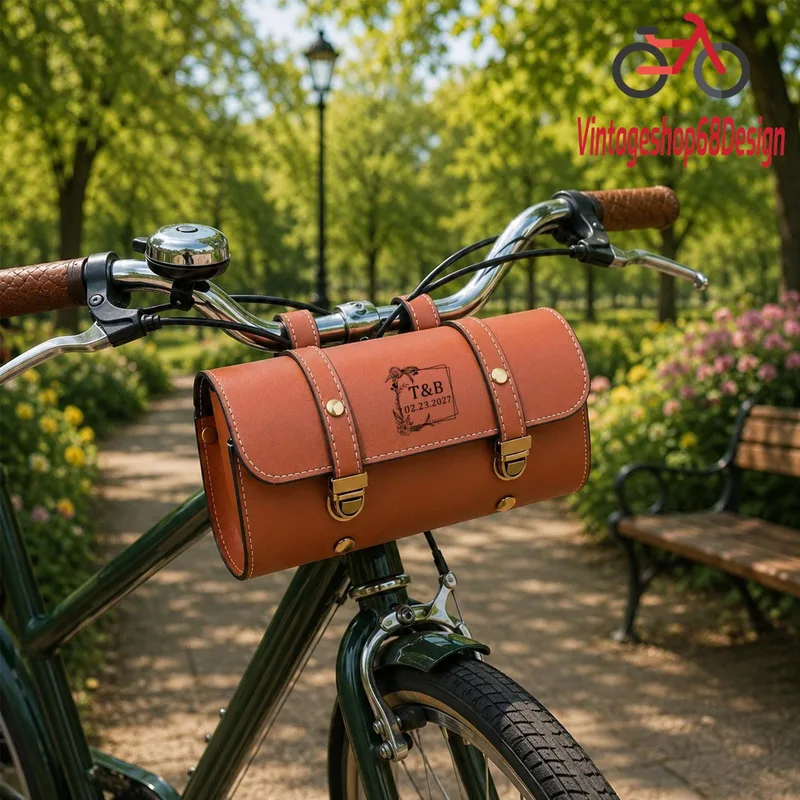
Here is the one rule that separates cyclist gifts that land from cyclist gifts that get quietly returned: nothing that attaches to the bike. A cyclist's bike is not a vehicle with some accessories on it; it is a curated system where every component was chosen against alternatives, often after weeks of deliberation, and where parts must physically match standards you have never heard of. A saddle is fitted to one particular anatomy. A component may not even bolt onto their frame. Even bar tape is a considered aesthetic decision.
People wing this constantly because bike shops and gift guides are full of shiny bike-mounted objects, and the failure is always the same: the gift either does not fit the bike, duplicates something better that is already installed, or violates a taste code invisible to non-riders. The correction is simple and freeing. The bike is off-limits; the rider is wide open. Everything a cyclist wears, drinks from, carries, wears out, and celebrates is honest gift territory, and most of it requires no technical knowledge at all.
The Short Answer
Leave the bike alone: no components, saddles, pedals, or anything that mounts to a frame, unless they named the exact part, in which case buy exactly that or contribute toward it. Gift the rider instead: cold-weather gear, hydration, things that wear out like gloves and socks, carrying solutions for commuters, and off-bike celebration of the riding life. Ask one question first, "where do you usually ride," because the answer changes everything.
Know Their Discipline Before You Buy Anything
"Cyclist" is one word covering several barely-related sports, and a gift tuned to the wrong one misses completely. You do not need to know bikes to get this right; you need one conversational question about where and how they ride.
- Road riders log long hours on pavement and care about light, close-fitting gear; bulk is the enemy.
- Gravel and mountain riders head away from help, which makes carrying capacity, hydration, and durability genuinely valuable.
- Commuters ride in regular clothes through real weather, so visibility, waterproofing, and cargo solutions serve them daily.
- Indoor-trainer riders sweat indoors through winter; towels, fans, and entertainment-adjacent comforts fit them better than any weatherproof gear.
One person may straddle two categories, but almost nobody occupies all four, and the discipline answer instantly prunes your options to the useful half. It also spares you the most common tell of a guessed gift: gear built for a kind of riding the recipient simply does not do. Riders notice that mismatch immediately, and it converts a generous budget into a polite thank-you.
The Safe Zone: Things That Wear Out
The most reliable cyclist gifts are consumables and wear-items, because they cannot duplicate permanently and they carry no fitment risk. Gloves top the list: cyclists destroy them on schedule, cold-weather pairs are the difference between riding and not riding in winter, and the catalog picks under this story show the genre. Look for windproofing first, since windchill on descents is the real enemy; know that windproof and waterproof are different claims, with fully waterproof gloves running warmer but less breathable; and insist on touchscreen-compatible fingertips, because every ride involves a phone. Warm cycling socks, a proper cleaning kit, and quality chain lube fill out the tier; all are perpetually depleted and gratefully restocked. Sizing on gloves matters but is forgiving; a glance at the size printed inside a pair they already own settles it.
Hydration and Carrying: for Riders Who Go Far
For gravel riders, mountain bikers, and long-haul types, hydration packs and their bladder systems make excellent gifts because they sit on the rider, not the bike. A pack that carries water plus a layer and tools serves exactly the rides where running dry is a real problem. Two honest notes: bladders need actual cleaning and drying between rides, so a pack gift pairs well with a cleaning kit; and daypack fit is far more forgiving than any bike part, so this is a guessable purchase in a way a saddle never is. For commuters, look instead at the carrying problem: quality backpacks built for riding, or bags from the luggage and travel aisle that survive weather and desk life equally, upgrade every single workday.
What to Look For (and What to Skip)
Look for:
- Windproof fabrics for cold-weather gear, with waterproofing as a bonus for wet-climate riders.
- Touchscreen-compatible fingertips on any glove.
- Reflective details and high-visibility options on everything; most riding shares roads with cars.
- Machine-washable fabrics, because cycling gear lives hard.
- Wear-out items and consumables that get used up and happily replaced.
Skip:
- Anything that bolts, clamps, or mounts to a bicycle, full stop.
- Saddles, the most personal contact point on the bike; fit is anatomical and non-transferable.
- Helmets: fit is individual, and riders want to choose their own safety equipment.
- Lycra kit by guesswork; cycling apparel runs unforgivingly snug and sizing misses are near-certain.
- Novelty cyclist decor in bulk; the one funny mug already exists on their shelf.
Budget Tiers Without the Guesswork
The entry tier is the wear-out zone, where gifts like gloves, warm socks, chain lube, and cleaning kits cluster among gifts under 30 dollars, and where quality per dollar is easy to judge by materials and stitching. The solid tier buys a hydration pack, a commuter bag, a serious cold-weather set, or good lights, the sort of durable accessories riders postpone buying for themselves while their money disappears into the bike. The heirloom tier goes off-bike entirely: a commissioned individual caricature or custom artwork of them with their bike honors the obsession without touching it, and for the big named want, a stated contribution toward that exact part or upgrade beats any surprise at the same price.
Mistakes People Make
- Buying a saddle, helmet, or component as a surprise. Fit, standards, and taste make these unreturnable gambles. Fix: if they have named a part, buy exactly that; otherwise stay off the bike entirely.
- Assuming every cyclist is a road cyclist. Aero-styled gear baffles a mountain biker, and a commuter needs none of it. Fix: ask where they ride before buying anything.
- Choosing the 40-function gadget tool over quality basics. Multi-tools with bottle openers and rulers impress in the box and rattle in a drawer. Fix: fewer functions, better materials; or stay in consumables where quality is obvious.
- Ignoring glove sizing because gloves feel minor. Too-tight gloves cut circulation in the cold, which defeats the whole purpose. Fix: check the printed size inside a pair they already own; it takes ten seconds.
What should I never buy a cyclist as a gift?
Anything that mounts to the bike, plus the two fit-critical wearables: saddles and helmets. Components involve compatibility standards that vary frame to frame, saddle comfort is anatomical, and helmet fit is individual enough that riders insist on choosing their own. The only exception is an exact, named request, fulfilled precisely. Everything worn, carried, consumed, or hung on a wall remains safely open.
Are cycling gloves a good gift?
One of the best, because gloves are a wear-out item that cyclists replace on schedule, which removes the duplication problem entirely. Prioritize windproofing for cold weather, touchscreen fingertips, and reflective details, and check the size printed inside a pair they already own. A winter pair is especially welcome; it is the gift that measurably extends someone's riding season into months they used to skip.
What is a good gift for a bike commuter?
Commuters are the easiest cyclists to shop for, because their needs are daily and practical: a weatherproof backpack or pannier-style bag that survives both rain and the office, visibility gear, warm windproof gloves, and anything that smooths the ride-to-desk transition. They ride in regular clothes through real weather, so waterproofing and reflectivity outrank sporty styling. Gear they use two hundred times a year repays its cost in gratitude quickly.
How much should I spend on a cycling gift?
Cycling rewards small budgets unusually well: gloves, socks, and consumables are inexpensive, constantly depleted, and easy to judge on quality, so a modest gift lands without compromise. Spend more only with more information; mid-tier money buys packs, bags, and lights, while big budgets are best spent either off the bike, on commissioned art of the rider, or as a stated contribution toward the exact upgrade they have named.
Reviews & comments
See every public review for this Journal story and leave your own note.