 All stories


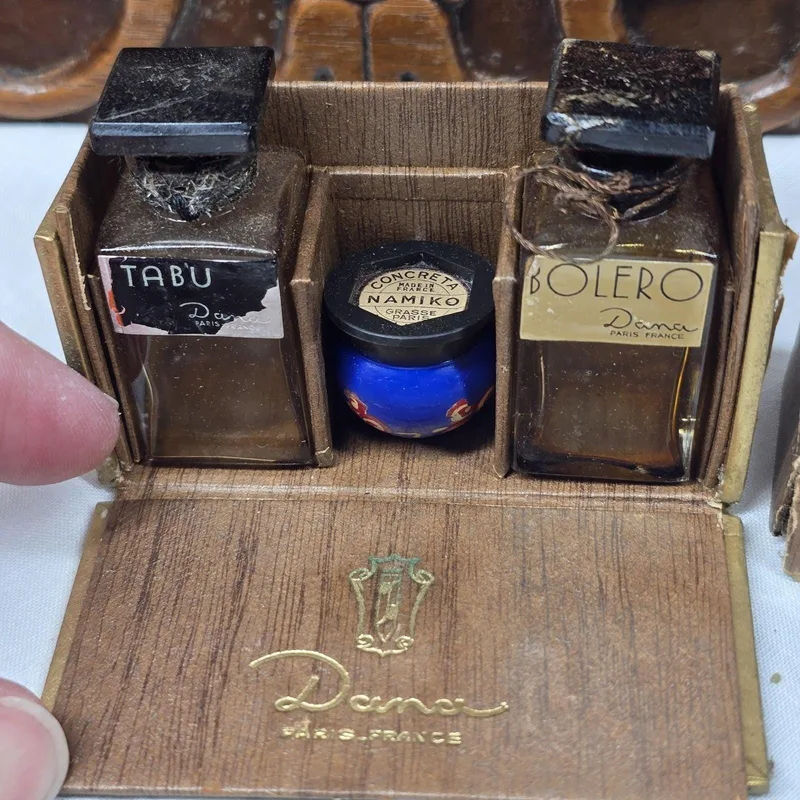
Fragrance is the gift people talk themselves out of. It sits on the shortlist for every anniversary and holiday — intimate, luxurious, easy to wrap — and then gets abandoned for something safer, because everyone has witnessed the failure mode: a beautiful bottle, opened with a polite smile, worn exactly once. The reputation for risk is earned, but the risk is narrower than most shoppers think. The failure is rarely choosing a scent someone dislikes. It's choosing a scent that isn't them, and expecting them to wear it as if it were.
Scent is personal territory in a way sweaters and books are not — people describe a signature fragrance the way they describe their handwriting. That's exactly why fragrance gifts land so hard when they land. The trick is to stop treating it as a guessing game and start treating it as a matching problem, one with three reliable routes that don't require you to guess at all.
The Short Answer
Never pick a brand-new signature scent for someone else. Take one of three routes instead. First and safest: replenish or extend what they already wear — same scent or same line. Second: stay inside their scent family and choose something adjacent. Third, when you don't know what they wear: gift the experience of choosing — a sampler approach or a planned choosing trip — or go fragrance-adjacent with bath, home scent, and presentation pieces. A blind full-size bottle is the only move to avoid.
Why Blind Bottles Fail
Three forces work against the blind bottle. Skin chemistry is real: the same fragrance develops differently on different people, so the scent you loved on a friend or a paper strip is not the scent your recipient will live in hours later. Identity is realer: a person's fragrance is a public statement they've chosen about themselves, and replacing it uninvited — however generously — reads as editing them. And commitment compounds both problems: a full bottle represents months of wear, so a near-miss doesn't get politely used up the way a near-miss candle does. It gets shelved, visibly, where both of you can see it. None of this means fragrance is a bad gift. It means the information requirements are higher than the price tag suggests — and that there are ways to lower them.
The Three Routes, in Order of Safety
Route one: replenishment. If you can learn what they already wear — glance at the dresser, check the bathroom shelf, ask someone who shares their sink — buying a fresh bottle of it is not unimaginative; it's the single most reliable fragrance gift there is. You're telling them their taste is worth investing in. The same logic extends to other concentrations or companion products in the same line.
Route two: adjacency. If you know their scent but want to add rather than repeat, stay inside its family and step sideways — another fresh citrus for the citrus wearer, a different floral for the floral devotee. What you must not do is leap across the map: a heavy, sweet amber for someone who wears light citrus daily isn't a discovery, it's a costume. Browsing fragrances by family rather than by bottle design is the discipline here.
Route three: when you genuinely don't know what they wear, gift the choosing. Part of fragrance's pleasure is the hunt, so a sampler-style approach — small formats, minis, or a written promise of a choosing trip together — turns your uncertainty into an experience instead of a gamble. The other version of route three is going fragrance-adjacent entirely: softly scented bath and beauty products carry far lower identity stakes than a signature scent, and presentation pieces — a vanity tray, a travel case — celebrate the fragrance habit they already have without presuming to redirect it.
How to Read a Fragrance Listing
Two vocabulary sets do most of the work. The first is scent families, the map the whole category is organized by: fresh and citrus (bright, clean, daytime), floral (from single-flower soliflores to big bouquets), woody (cedar, sandalwood, vetiver — dry and grounding), amber (warm, resinous, sweet-spiced, sometimes labeled oriental on older listings), and gourmand (edible-leaning — vanilla, caramel, coffee). Most people's collections cluster inside one or two families, which is what makes adjacency a workable strategy.
The second is concentration. Eau de toilette carries a lower concentration of fragrance oils — lighter projection, shorter wear; eau de parfum carries more and generally lasts longer on skin; parfum or extrait sits at the top. Neither is better — EDT suits office wear and hot days; EDP suits evenings and winter — but the recipient's existing shelf tells you which they prefer. Note structure matters too: listings describe top notes (the first minutes), heart notes, and base notes (what remains hours later). The base is what they'll actually live with, so read to the bottom of the pyramid before judging by the opening.
What to Look For (and What to Skip)
Look for:
- A stated scent family or note pyramid that matches what the recipient already wears.
- Concentration named plainly — EDT, EDP, extrait — so you know what wear experience you're buying.
- Smaller sizes for anything new to them; a modest bottle of a near-miss is forgivable, a large one is furniture.
- Sealed, clearly described packaging with the size in milliliters stated.
- Companion formats — lotion, oil, home scent — when you want the family without the commitment.
Skip:
- Bottles chosen for the bottle. Sculptural glass is a decor purchase wearing a fragrance label.
- Your own signature scent as a gift. It's data about you; on them it will smell different and mean less.
- The biggest size as a show of generosity — with anything untested, large is a burden, not a bonus.
- Cross-family leaps: heavy amber for a citrus wearer, dense gourmand for someone who owns nothing sweet.
- Vague listings with no concentration, no size, or no notes. In this category, missing basics are disqualifying.
Presentation Carries the Gift
Here's the move experienced gift-givers make when the bottle itself is too risky: shift the spend into how the fragrance lives. A vanity tray corrals the bottles they already own into a deliberate arrangement — functionally a frame for their collection. A good toiletry case or dopp kit says their routine deserves better than a plastic bag, which is why these sets have become a standard for wedding parties and groomsmen. That's also why the picks under this story are presentation pieces rather than bottles: they serve the fragrance habit without presuming to redirect it. On budget, the same tiered logic applies as anywhere: the entry tier is minis, rollerballs, and adjacent bath items; the solid tier is a full bottle of a scent you've confirmed they wear, ideally in the concentration their shelf favors; the splurge tier is extrait strength or a layering set within their known line. Money in fragrance shows up as longevity and depth of drydown — never as box thickness.
Mistakes People Make
- Gifting your own favorite. Fix: treat your taste as inadmissible evidence. Work only from what's on their shelf.
- Buying the biggest bottle to be generous. Fix: invert it — for anything new, small is the generous choice, because it's the one that respects their right to a verdict.
- Judging a scent by the first spray. Fix: the opening is the top notes, gone within the hour. Read the base notes, or wait out a sample's drydown; that's the scent they'll actually wear.
- "Upgrading" their known scent to something you think is better. Fix: replenishment is the compliment. Buying them more of their own choice honors it; replacing it uninvited critiques it.
- Forgetting storage in the gift. Fix: fragrance keeps best away from heat, light, and steamy bathrooms — a bottle plus a spot to keep it, like a tray for the dresser, is a quietly complete gift.
What is the safest way to gift perfume?
Buy more of what they already wear. Identify the bottle on their dresser — or ask someone who shares their bathroom — and gift the same scent, or a different concentration or companion product from the same line. It carries zero guessing risk and reads as an endorsement of their taste. If you can't identify their scent, don't guess: gift small formats, a choosing trip, or a fragrance-adjacent piece instead.
What is the difference between eau de toilette and eau de parfum?
Concentration of fragrance oils. Eau de toilette carries less, wearing lighter and fading sooner — suited to daytime, office, and heat. Eau de parfum carries more, generally projecting further and lasting longer on skin, which suits evenings and colder months. Parfum or extrait sits above both. Neither is objectively better; check which concentration the recipient's existing bottles are, and match it.
How do I find out what fragrance someone wears?
Look before you ask: the bottle on a dresser or bathroom shelf usually answers the question outright — note the exact name, since many fragrances exist in multiple versions. Partners, roommates, and close family often know or can check discreetly. If you must ask the recipient directly, fold it into a general conversation about scents rather than announcing intent. And if the trail goes cold, take the sampler route rather than guessing.
Is perfume a good Valentine’s Day gift?
Yes, on one condition: you know what they wear. For an established couple, a fresh bottle of their signature — or a step up in concentration of it — is one of the most intimate Valentine's Day gifts available, precisely because it proves attention. Early in a relationship, when their shelf is still a mystery, choose adjacent gifts instead: bath and body in soft scents, or a presentation piece, with the bottle saved for when you know.
Reviews & comments
See every public review for this Journal story and leave your own note.