 All stories


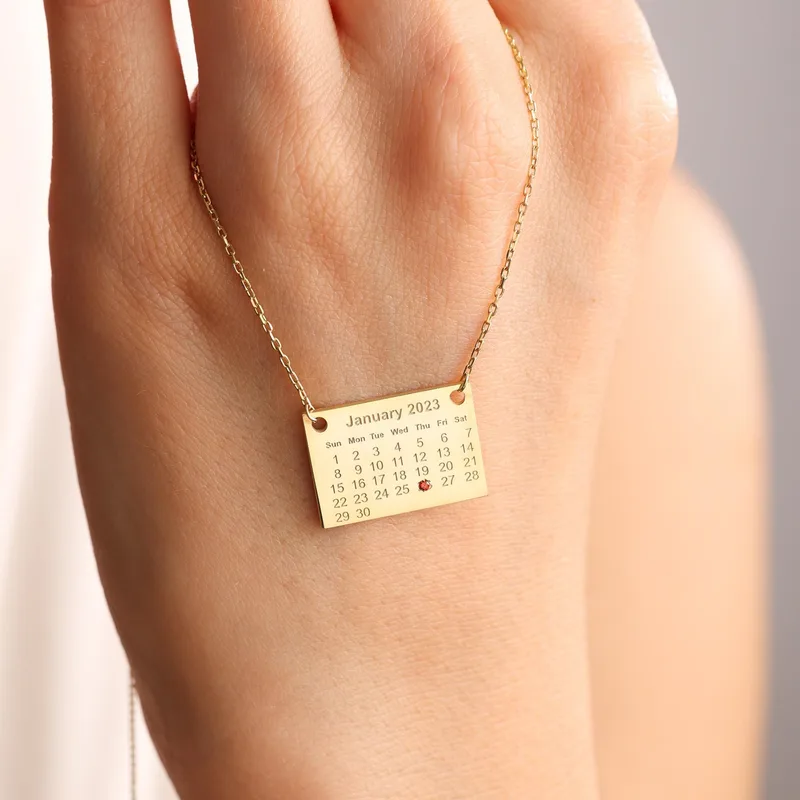
Two shoppers buy a gift for the same friend's birthday. The first realized the date was coming three days out, and is now triaging by shipping speed, whatever can arrive by Thursday has become, by definition, the perfect gift. The second wrote down "wants a proper photo album" back in March, when the friend said so out loud, and ordered it two weeks ago. Same budget, same affection, wildly different outcomes. The difference is not thoughtfulness. It is infrastructure.
We see both shoppers on the marketplace every day, and the gap between them is the quiet trend of the past few years: more people are treating gifting as an annual system rather than a series of emergencies. Planner culture reached the gift closet. The panicked shopper is not a worse friend, they are just paying what might be called the panic tax: shipping-speed compromises, vanished ideas, and the entire category of made-to-order and personalized gifts locked out because custom work cannot be rushed. The fix is not becoming a different person. It is twenty minutes of setup and two small habits.
The Short Answer
Once a year, list every date you reliably give gifts for, birthdays, anniversaries, December, and mark each one a month ahead as its buying window, two months for anything custom. Keep one running idea list per person, and write ideas down the moment people reveal them in conversation. Shop during the window, not the week of the date. That is the entire system: a map made once, ideas captured continuously, purchases made calmly. Everything else is decoration.
The Panic Tax, Itemized
Deadline gifting costs more than it appears to, in ways worth naming. The obvious cost is the compromise: when arrival date becomes the first filter, meaning becomes the second, and the gift shows it. The subtler cost is the lockout: the most personal categories, commissioned portraits, engraved pieces, made-to-order work, need production time before shipping time, so the procrastinator is structurally confined to whatever ships overnight, this year and every year.
The heaviest cost is the vanished idea. Throughout the year, the people you love conduct a free seminar on what to get them, they admire things, mention worn-out possessions, describe wishes mid-conversation. In June, you hear the perfect December idea. By December, it is gone. The crisis shopper does not lack information; they lack a place where information survives six months. That single failure, not laziness and not budget, is what the calendar approach actually fixes.
Build the Map: A Twenty-Minute Framework
Sit down once with any tool you will genuinely keep using, a paper planner, a notes app, a spreadsheet, and do three passes.
First, the dates. List every recurring gift occasion you own: family birthday gifts, your anniversary, December, Mother's Day and Father's Day, plus the predictable one-offs you already know about, a wedding, an upcoming graduation. Most people land somewhere between eight and twenty dates and are surprised how finite the list is once it is visible in one place.
Second, the tiers. Mark each date as major, involving significant thought or spend, or minor, a token or card. This is a triage step, not a judgment; its purpose is telling you where planning effort belongs.
Third, the windows. For every major date, mark the date one month earlier as the start of its buying window, two months earlier if the idea might involve custom or made-to-order work. The window, not the occasion, is what belongs in your reminders. When a window opens, you shop with full choice; when only the date is marked, you shop in triage.
For collective occasions, a group gift for a parent's milestone, a wedding several friends are chipping in on, the same logic extends across people, which is exactly what Gift Rooms exist for: a shared place where the date, ideas, and who-is-getting-what live together instead of dying in a group chat.
Capture Ideas the Moment They Appear
The map handles when; a capture habit handles what. Keep one running list per recurring person, and adopt a single rule: ideas get written down within a minute of appearing, because the June-to-December survival rate of an unwritten idea is roughly zero.
Ideas arrive on schedule if you listen for them. People announce frustrations, "these slippers are falling apart", admirations, "I love that print", and wishes, "someday I'll get the good knives", in ordinary conversation, precisely because nothing is at stake in the moment. Some planners keep this list digitally; the analog planner-and-journal crowd, well represented in this story's picks, keeps a page per person and finds the ritual itself enjoyable. The medium is irrelevant. The one-minute rule is everything.
A well-kept idea list also quietly upgrades gift quality over time. Choosing from four captured, true observations about a person produces better gifts than one desperate guess, and it makes ambitious ideas feasible: a custom piece from portraits and custom art is only ever possible for the shopper who knew about the occasion months out.
What to Look For (and What to Skip) in a Planning Setup
What to look for:
- One tool you already open habitually, the best system is the one adjacent to an existing habit, not a new app to remember.
- A view of the whole year at once, so December's density and the spring cluster of birthdays stop being surprises.
- Per-person idea pages that persist across years; last year's unused idea is this year's head start.
- Reminders set on buying windows, a month ahead, not on occasion dates.
- A note of where you stashed early purchases, a gift you cannot find in December is a gift you bought twice.
What to skip:
- Elaborate multi-app systems with tags, ratings, and dashboards; maintenance burden is the number-one killer of planning habits.
- Tracking trivial occasions at the same depth as major ones; triage exists so effort goes where it matters.
- Buying entire holidays out in advance; leave room for the current-year idea, part of a good gift is its freshness.
- Any system that lives only in your head. Heads are where June ideas go to die.
What Calendar Gifting Does to a Budget
The financial shape changes more than the total. Entry level is simply spreading: the same yearly spend distributed across months instead of concentrated into two brutal weeks, which alone removes most of the sting. The solid middle adds opportunism, with windows open a month early, you buy when the right item appears rather than when the deadline forces your hand, and the panic tax of rush choices simply stops accruing. The most meaningful tier is what planning unlocks: with real lead time, the same money can go into made-to-order and commissioned work, categories where modest budgets buy remarkable things precisely because you are paying for labor and time instead of speed. And having last-minute gifts as a genuine safety net for true surprises, rather than a lifestyle, is itself a budgetary upgrade.
Mistakes People Make
- Building the system and never revisiting it. Fix: anchor one twenty-minute review a year, early January works, to refresh dates and carry ideas forward.
- Setting reminders on the occasion instead of the window. Fix: the reminder's job is to open shopping a month early; on the date itself it is merely bad news.
- Capturing ideas nowhere, or everywhere. Fix: one list per person, one minute from hearing to writing, no exceptions.
- Buying early and losing track. Fix: one designated gift spot in your home, and a note in the plan of what is already bought, unwrapped duplicates are the classic over-planner failure.
- Ignoring production time on custom work. Fix: anything made to order gets a two-month window, production happens before shipping, not instead of it.
When should I start shopping for December gifts?
Open your December window by late October or early November for ready-made gifts, and earlier, September or October, for anything personalized, engraved, or made to order, since production time stacks on top of seasonal shipping. The point is not maximal earliness; it is shopping while every option is still available. A calm November buyer chooses from the whole market. A late-December buyer chooses from what is left and what ships fastest.
How do I keep track of gift ideas all year?
One running list per recurring recipient, kept in whatever tool you already open daily, and a strict habit of writing ideas down within a minute of hearing them. Capture the context too, what they said, when, and why it mattered, because six months later the bare item name loses its meaning. Review the list when a buying window opens, and carry unused ideas forward; they rarely expire.
Which gifts need the longest lead time?
Anything that does not exist until you order it: commissioned portraits and caricatures, engraved and monogrammed pieces, made-to-order jewelry and leather goods, and handmade work from small shops with real production queues. These need their production window plus shipping plus a revision buffer, so plan on ordering one to two months ahead. This category is also where planning pays best, since lead time, not budget, is the main barrier to the most personal gifts.
Is it strange to buy gifts months in advance?
No, it is how the most relaxed gift-givers you know operate. The practical cautions are small: note what you bought and where you stored it, avoid pre-buying for tastes that shift quickly, like a child's current obsession, and leave some occasions open for fresher ideas. A gift chosen calmly in June from a genuine observation almost always beats one chosen frantically in December from a shipping filter.
Reviews & comments
See every public review for this Journal story and leave your own note.