 All stories


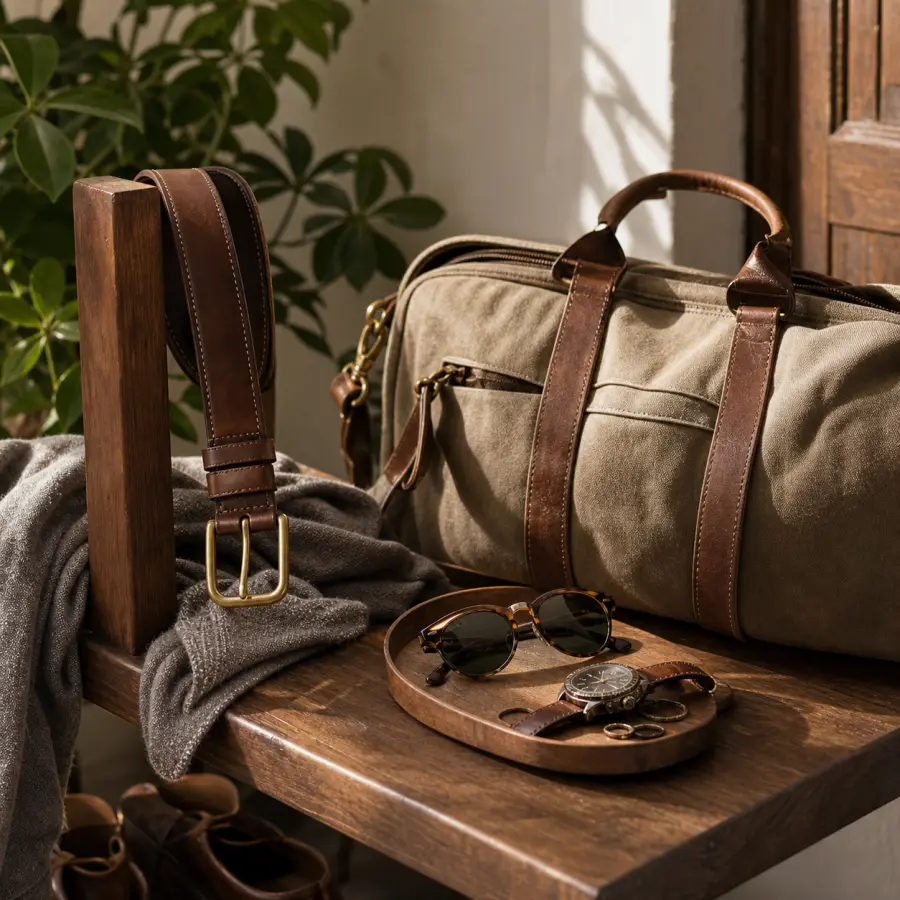
Here is the reassuring truth about buying someone a watch: most recipients don't have taste in watches. They have a wrist, a daily routine, and — at most — one watch they already own. The shoppers who freeze in front of watch listings are usually trying to answer a question that doesn't exist, guessing at connoisseur preferences the recipient hasn't formed. That's what makes a watch one of the great giftable objects. You're not matching an expert's standards; you're often supplying the first serious watch of someone's life.
The real risks are more mundane and much more solvable: a case too big for the wrist, a movement that demands attention the owner won't give it, a strap that fights their workday. Get those three right and the watch gets worn. Get them wrong and it gets drawered — no matter how handsome it looked in the listing.
The Short Answer
Choose quartz unless you know they already care about mechanical movements. Match case size to their wrist — a midsize case flatters far more wrists than an oversized one. Choose the strap by their days: leather for desk work, metal or fabric for rougher use. Then add a short caseback engraving with a date. A watch becomes a keeper because of who gave it and when, far more than because of its specifications.
Three Facts Beat Ten Preferences
Skip the impossible question of taste and gather three observable facts instead. First, their wrist build: slim, average, or broad — you can tell from a handshake, a photo, or a bracelet they own. Slim wrists want smaller, thinner cases; a heavy watch on a slim wrist rotates, slides, and eventually stays home. Second, their days: someone who types for a living can wear anything, someone who works with their hands needs a tougher crystal and a strap that shrugs off scuffs, and anyone who might swim in it needs a real water-resistance rating, not a vague claim. Third, what's on their wrist right now. Nothing at all means light and simple wins — you're competing against the comfort of bare skin. A fitness tracker means the gift watch should be framed as the dress option for dinners and occasions, a complement rather than a replacement. An inherited watch they treasure means you're buying the everyday piece that spares the heirloom.
Those three facts eliminate most of the catalog for you, which is exactly what you want. Browsing accessories with a size, a durability requirement, and a role in mind turns an intimidating category into a short list.
Quartz, Mechanical, Automatic: What You Are Actually Choosing
The words describe how the watch keeps time, and they matter to a gift because they determine how much attention the watch demands. Quartz watches run on a battery and a vibrating quartz crystal: they're accurate, low-maintenance, and ready to wear after months in a drawer. For a recipient who has never cared for a watch, quartz is the kind choice — it asks nothing.
Mechanical watches are powered by a wound spring; automatics wind that spring with a rotor that swings as the wrist moves. They're prized for craft and for the small ritual of ownership — but an automatic left unworn for a few days stops and needs resetting, and mechanical movements want periodic servicing. That ritual is a pleasure to someone inclined toward it and a chore to everyone else. Gift mechanical when you know the inclination exists; default to quartz when you don't. Wooden-cased quartz watches deserve a mention here: they're light on the wrist, warm-looking rather than flashy, and their cases take engraving beautifully — which matters more than it seems, as we'll get to.
Straps, Crystals, and the Small Print
The strap is the least permanent part of a watch, and knowing that lowers the stakes. Most watches use standard lug widths, so a strap the recipient doesn't love can be swapped in minutes for one they do. Leather terms are worth decoding: top-grain leather is the hide's outer layer sanded smooth for uniformity, while crazy-horse leather is heavily waxed so scuffs rub in and darken to a sheen — the scuffed, lived-in look is the point, which makes it a forgiving choice for someone hard on their things. Metal bracelets size by removing links, meaning fit can be adjusted after gifting rather than guessed before.
Two small-print items are worth checking on any listing. Crystal material: sapphire resists scratches far better than mineral glass, and matters most for hands-on lifestyles. And water resistance: treat a rating as the difference between surviving rain and surviving a swim, and treat the absence of a stated rating as meaning neither.
What to Look For (and What to Skip)
Look for:
- A clearly stated case diameter, so you can sanity-check it against their wrist and any watch they already wear.
- Standard lug width, keeping future strap swaps cheap and easy.
- A dial legible at arm's length — high contrast, clean markers. A watch that's hard to read gets checked less and worn less.
- An engraving option, on the caseback or the case itself.
- Honest movement labeling: "quartz" or "automatic" stated plainly.
Skip:
- Vague "waterproof" language with no rating behind it.
- Oversized statement cases as a first watch; they photograph well and wear poorly on most wrists.
- Proprietary straps that lock the owner into one look forever.
- Busy multi-dial faces on inexpensive watches without checking the listing confirms the subdials actually function — on some budget pieces they're printed decoration.
- Your own taste. The watch you'd wear is data about you, not them.
The Budget Ladder, Honestly
At the entry tier, a clean quartz watch on leather or in a wooden case is a complete, unembarrassed gift — especially engraved. What you're buying at this level is the gesture and the occasion, and there is nothing wrong with that; inexpensive quartz keeps time superbly, which is the quiet joke of the entire watch world. The solid middle tier upgrades the touchpoints: sapphire crystal, a better bracelet, finer dial detail — differences the wearer feels daily. The heirloom tier is where mechanical movements make sense, bought deliberately for someone who will service and eventually pass them on. Money shows up in crystal, bracelet feel, and finishing. It does not show up in timekeeping — so buy the tier that matches the recipient's relationship with objects, not the tier that matches your anxiety about the occasion.
Make It a Keeper: Engraving and Occasion
An unengraved watch is a product; an engraved one is a record. Keep it short — initials and a date outlast any sentence — and put it on the caseback where it's a private fact rather than a public announcement. Wooden cases are the exception worth considering: they engrave visibly and warmly, which suits a gift meant to be noticed. Tie the watch to a fixed point in time — this is why watches sit so naturally among anniversary gifts and graduation presents, and why an engraved one belongs with the best personalized gifts: decades later, the date on the back is the part that matters. Keep the box, too. Watches are stored more than almost any other accessory, and a good box becomes part of the ritual. The picks under this story include engravable options for exactly this reason.
Mistakes People Make
- Buying your own taste. The fix is mechanical: let their current wrist — bare, tracker, or heirloom — dictate the role this watch plays, then choose within that role.
- Sizing up to seem substantial. A big case reads as generous in the hand and oversized on the wrist. When unsure, choose midsize; it flatters the widest range of wrists.
- Assuming mechanical means better gift. For a non-enthusiast, a watch that stops when neglected feels like a reproach. Quartz forgives; that's a feature.
- Skipping the engraving to preserve returnability. The engraving is why the watch is still owned in twenty years. Do your size and style diligence first, then commit.
What size watch should I buy if I cannot measure their wrist?
Default to a midsize case and check the listing's stated diameter against any watch or bracelet you've seen them wear. Midsize suits the broadest range of wrists; oversized cases are the riskier guess, especially on slimmer builds. A photo of them wearing any watch is enough — compare proportions rather than millimeters. If the choice is between slightly small and slightly large, slightly small wears better and gets worn more.
Is a mechanical or quartz watch a better gift?
Quartz, unless you know the recipient already cares about movements. It's accurate, needs no winding, and runs after months unworn — ideal for someone forming the watch habit. Mechanical and automatic watches reward owners who enjoy the ritual of winding, wearing, and servicing; gifted to anyone else, that ritual becomes maintenance. Reserve mechanical for the recipient who has told you, in some way, that they'd love one.
Can a watch strap be replaced if they do not like it?
Usually, yes, and cheaply. Most watches use standard lug widths, so straps swap in minutes with a small tool — leather to metal, fabric to rubber. This makes the strap the lowest-stakes decision in the whole purchase: choose sensibly for their lifestyle and let them re-strap later if taste differs. The one thing to avoid is a proprietary strap system, which locks the watch to one manufacturer's options.
What should I engrave on a gift watch?
Initials and a date, on the caseback. Short outlasts clever: a wedding date, a graduation year, a simple "From Dad" carries further than a full sentence, and fits the small canvas. The caseback keeps it private — a fact the wearer carries rather than displays. Wooden-cased watches are the exception where visible engraving works naturally. Confirm style and size before engraving, since engraved pieces are typically not returnable.
Reviews & comments
See every public review for this Journal story and leave your own note.