 All stories


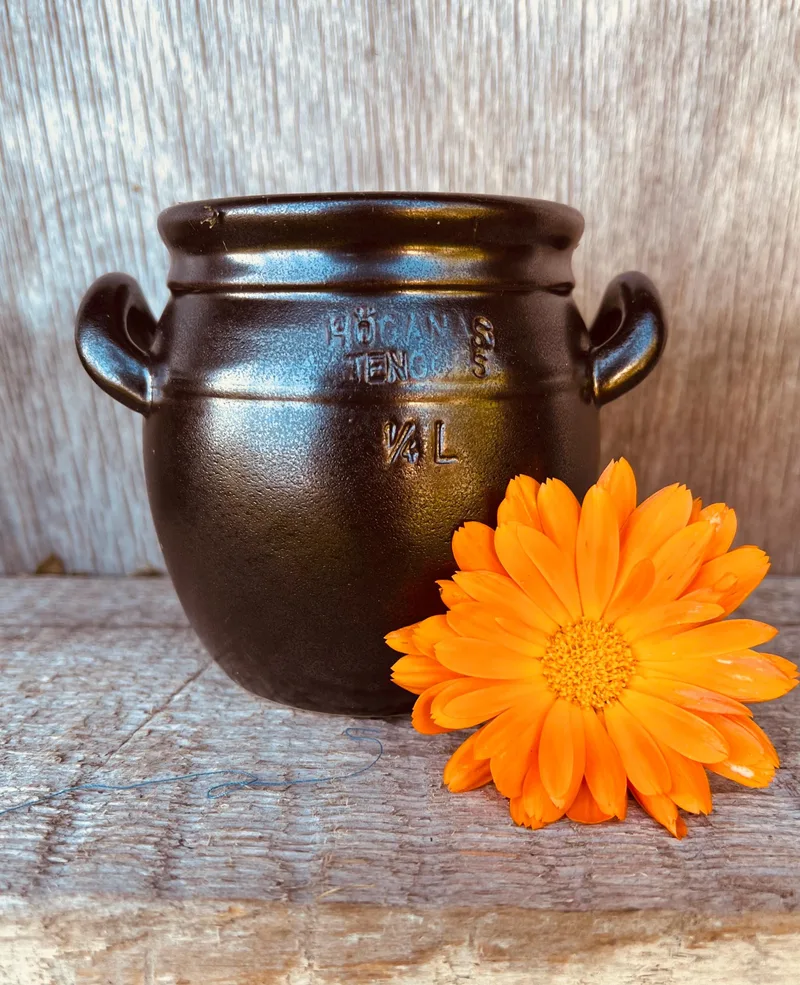
A handmade mug comes home from a craft fair, gets promoted to daily coffee duty, and six months later the inside is covered in a web of hairline gray lines that no amount of scrubbing will shift. The mug was beautiful. It may even have been labeled food-safe. What went wrong is rarely explained at the point of sale, and it is the reason ceramics are one of the few gift categories where a little vocabulary genuinely protects you.
"Food-safe" sounds like a full guarantee. It is actually a narrow technical claim about glaze chemistry, and it says nothing about whether a piece will survive a dishwasher, a microwave, or years of hot acidic coffee. If you are choosing a mug, bowl, or serving piece as a gift, it helps to know what the phrase covers, what it quietly leaves out, and which questions separate a lifetime piece from a shelf ornament.
The Short Answer
For anything that will touch food or drink daily, choose vitrified stoneware or porcelain with a smooth, glossy, uncrazed interior glaze, from a seller who states plainly that the piece is food-safe and lead-free. Treat crazed surfaces, matte or heavily textured interiors, metallic accents, and vintage brightly colored ware as decorative until proven otherwise. Two questions settle most doubts: what clay and firing temperature was used, and is the glaze on the food-contact surface stable. A maker who knows the answers is usually a maker whose work you can trust.
What a Glaze Actually Is
A glaze is a thin layer of glass. Before firing it is a mix of silica, fluxes that lower the melting point, clays that keep it in suspension, and colorants. In the kiln it melts and fuses to the clay body, sealing the surface. When the recipe is sound and the firing reaches the right temperature, the result is hard, smooth, and inert. When the glaze is underfired, poorly formulated, or a bad fit for the clay underneath, it can stay soft, wear under cutlery, or crack.
The clay body matters as much as the glaze. Earthenware is fired at lower temperatures and stays somewhat porous; it depends entirely on its glaze to keep liquid out. Stoneware and porcelain are fired hotter, and a properly fired piece vitrifies, meaning the clay itself becomes dense and glassy enough to resist absorbing water. That is why a chipped stoneware mug is an eyesore but a chipped earthenware mug is a sponge.
What "Food-Safe" Does and Does Not Mean
In the United States, the FDA sets limits on how much lead and cadmium may leach from ware that is sold for use with food. A glaze described as food-safe should be formulated and fired so that metals stay locked in the glass instead of migrating into your soup. That is the whole claim. It is important, but it is narrow.
Notice what it does not cover. "Lead-free" is not automatically the same as food-safe: a lead-free glaze can still craze, wear, or be underfired. Food-safe is also not a durability rating; it does not promise the piece will tolerate a dishwasher, a microwave, or thermal shock from boiling water. And a piece sold as decorative may carry a glaze that was never meant for food contact at all, which is why "not for food use" labels deserve to be taken literally, especially on vividly colored vintage and imported pieces whose glaze chemistry is unknown.
Match the Piece to the Job
The practical way to choose is to sort by how the piece will actually be used, because the safety bar moves with the job.
Daily drinkware carries the highest bar. Coffee and tea are hot and mildly acidic, and acids are exactly what pull unstable elements out of a weak glaze. A mug like the ceramic picks under this story should have a glossy, fully sealed interior even if the outside is textured or matte for looks. Serving bowls and plates sit in the middle: contact time is shorter, but tomato sauce, citrus, and vinaigrette are all acidic, so the same interior rules apply. Display pieces, vases, and catch-all dishes can be anything at all; this is where crazed, metallic, and experimental glazes belong, and where they shine.
Two more use cases shift the decision. If the recipient microwaves everything, rule out any piece with metallic luster, gold or platinum rims, or wire accents. If the gift is for a child, hold it to the daily-drinkware standard regardless of how it will officially be used.
What to Look For (and What to Skip)
Look for:
- A listing or maker who states the piece is food-safe and names the clay: stoneware, porcelain, or a firing cone number.
- A smooth, glossy glaze on every surface that will touch food, even when the exterior is matte or raw.
- A liner glaze inside mugs and tumblers, which working potters use precisely because interiors take the abuse.
- A cleanly finished, smooth unglazed foot ring, a small sign of a well-fired, well-handled piece.
- Care guidance in the listing; makers who tell you how to wash their work tend to know how it behaves.
Skip for food use:
- Any piece with crazing, the fine crack network, on a food-contact surface.
- Matte, dry, or heavily textured glaze where food will sit; these surfaces can wear, stain, and mark under cutlery.
- Metallic lusters and gold rims if the recipient uses a microwave.
- Vintage or imported ware in intense reds, oranges, and yellows with no documentation, since older glazes in those colors sometimes relied on lead.
- Listings that only say "decorative" or "hand wash, display piece" when you need a workhorse.
A Simple Check You Can Do at Home
Potters use an informal screen worth borrowing. Set a slice of lemon face-down on the interior overnight, or leave a little vinegar standing in the piece, then rinse and look in good light. If the glaze has visibly changed color or texture where the acid sat, it is not stable enough for food, and the piece should retire to holding keys or flowers. Hold the interior at an angle to a lamp to check for crazing you might have missed. Neither test replaces lab data, but both catch the worst offenders before breakfast does.
What You Are Paying for at Each Tier
Entry-level factory stoneware is honest and consistent: reliable liner glazes, standardized firing, no surprises, no character. The solid middle tier is handmade stoneware from working potters, which is where most great ceramic gifts live; you are paying for glaze work, weight, and a maker who fires the same forms week after week and knows exactly how they behave. The heirloom tier is porcelain and specialty glaze work, where the price reflects skill and risk in the kiln, not extra safety. That last point matters: the food-safety questions are identical at every price. Expensive ware has no exemption, and a modest mug from a careful maker can outlast a costly one from a careless one. Browsing kitchen and dining pieces with the vocabulary above turns a pretty-picture decision into an informed one, and a well-chosen mug is one of the most reliable housewarming gifts there is.
Mistakes People Make
- Assuming handmade means food-safe. Handmade means a person made it; food-safe is a separate claim. Fix: buy from makers who state it.
- Running hand-decorated or gold-rimmed pieces through the dishwasher. Overglaze decoration and metallic accents wear off. Fix: hand wash anything decorated after glazing.
- Using a crazed vintage bowl for daily cereal because it is charming. Crazing lets liquid into the clay and can harbor residue. Fix: display it, and eat from something sealed.
- Reading "lead-free" as the finish line. A glaze can be lead-free and still soft, crazed, or underfired. Fix: ask about firing and stability too.
- Choosing a matte-interior mug for coffee. Matte glazes stain and show cutlery marks fast. Fix: matte outside, glossy inside.
Is crazing on a mug actually dangerous?
Crazing is a network of fine cracks caused by a glaze that shrinks more than the clay beneath it. On a vitrified stoneware or porcelain piece it is mostly a hygiene and staining issue, since liquid and residue can settle into the cracks. On porous earthenware it also lets moisture into the clay body itself. Either way, a crazed interior disqualifies a piece from daily food use; it remains perfectly good for display.
Can I put a handmade ceramic mug in the microwave?
Often yes, but check three things first. The piece should be fully vitrified stoneware or porcelain, because water trapped in a porous body can heat and crack the piece. It must have no metallic luster, gold rim, or wire repair, which arc in a microwave. And the maker should not have advised against it. When a listing says microwave-safe, that claim usually reflects real testing in the maker's own kitchen.
How do I ask a maker whether their glaze is food-safe?
Ask two short questions: what clay and cone do you fire to, and is the glaze on food surfaces food-safe and lead-free. A working potter can answer both without hesitation, and most are glad to be asked. Vague answers, or a pivot to how popular the piece is, are your cue to buy that piece for the shelf rather than the table.
Are unglazed ceramic surfaces safe for food?
It depends on the clay. Fully vitrified porcelain and high-fired stoneware can be safe unglazed, because the fired body itself is dense and nearly glass-like; many makers leave the outer walls or foot ring bare on purpose. Unglazed earthenware is porous and will absorb liquids, flavors, and oils, so it is a poor choice for food contact unless the maker specifically designed and sealed it for that purpose.
Reviews & comments
See every public review for this Journal story and leave your own note.