 All stories


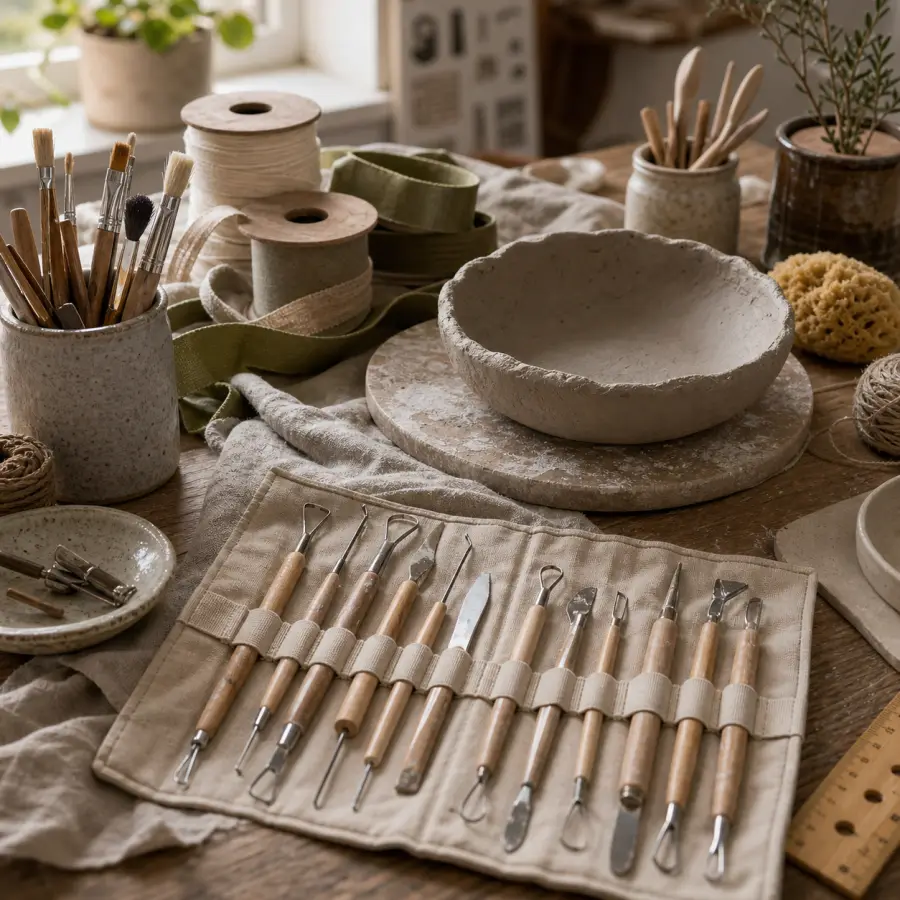
A handmade gift arrives with an unspoken hope attached: that it will still be around, and still loved, years from now. Whether it lasts has a lot to do with how it's made, but just as much to do with how it's treated once it's unwrapped. Mass-produced goods are engineered to survive neglect. Handmade pieces are usually made of realer materials, finished by hand, and they reward a small amount of care with a much longer life.
None of this care is complicated. Most of it comes down to knowing what the material wants and what it hates. Here is the honest version, material by material, whether you're the one giving the gift or the one trying to keep it beautiful.
Wood Wants Oil and Hates the Dishwasher
Wooden boards, bowls, utensils, and toys are among the most durable handmade gifts, with one loud exception: the dishwasher will destroy them. Prolonged soaking and high heat make wood swell, crack, and split along the grain. Wash wooden kitchen pieces by hand in warm water, dry them promptly, and stand them up to air-dry fully. Every month or two, or whenever the surface looks pale and dry, rub in a food-safe oil such as a board oil or butcher-block conditioner and let it soak in overnight. For decorative wood, the job is easier: dust it, keep it out of direct sunlight, which fades and dries the finish, and keep it away from radiators and vents. A cared-for cutting board from the kitchen and dining world can genuinely outlast the marriage it was given for.
Ceramics Are Strong Against Years and Weak Against Shocks
Handmade ceramics handle daily use well; what they dislike is sudden change and impact. Thermal shock, like pouring boiling water into a cold mug straight from a chilly cupboard or moving a dish from freezer to hot oven, can crack even well-made pieces, so let temperatures change gradually. Many handmade ceramics are dishwasher-safe in practice, but hand-washing is gentler on glazed and painted details, and it's the safer default when the maker hasn't said otherwise. Store bowls and plates with something soft between stacked pieces if they're precious, and check older or crazed glazes before using them for food. If a piece chips, keep it for decorative duty; a chip through the glaze can let moisture into the clay body underneath.
Textiles Last Longest When Washed Least
Quilts, knits, embroidery, and printed fabric share one rule: the washing machine ages them faster than use does. Wash handmade textiles as rarely as reasonable hygiene allows, cold and gentle when you do, and skip the dryer, which is responsible for more shrunken sweaters and warped quilts than any other appliance. Dry knits flat so they don't stretch under their own wet weight. For embroidered or hand-printed pieces, turn them inside out before washing and never iron directly over the design. Moths genuinely do target natural fibers, so store woolens clean, since they're drawn to body oils and food traces, in a bin or bag with cedar if you have it. A handmade baby quilt treated this way becomes an heirloom; treated like a gym towel, it becomes a rag in three years.
Leather Improves With Use and Suffers With Neglect
Leather is the rare material that can look better after a decade than on day one, but only if it stays fed and dry. Keep leather goods like belts, wallets, and handbags away from long stretches of direct sun and away from heat sources, which dry and crack the hide. If leather gets soaked, blot it and let it dry slowly at room temperature, never on a radiator. A couple of times a year, work in a small amount of leather conditioner with a soft cloth, testing first on a hidden spot, since conditioners can darken lighter leathers. Scuffs and creases on well-kept leather aren't damage so much as record; the goal of care isn't to keep the piece looking new, it's to keep it supple enough to earn its patina.
Paper and Prints Are Fighting Light, Above All
For art prints, custom portraits, and anything else on paper, the enemy is sunlight. Ultraviolet light fades inks and yellows paper, quietly and permanently, so hang portraits and custom art on walls that don't take hours of direct sun, or frame them under UV-filtering glazing if the piece matters. Framing is the single best protection a print can get: it blocks dust, fingerprints, and humidity swings all at once. Skip hanging paper in bathrooms and above stoves, where moisture and grease live. If a print must be stored, keep it flat or loosely rolled in a tube, in a dry interior closet rather than an attic, basement, or garage, where temperature and humidity swing hardest.
Give the Care Along With the Gift
If you're the giver, you can raise the odds your gift survives. Pass along any care card the maker included instead of tossing it with the wrapping, and if there isn't one, a single handwritten line does the job: hand-wash only, keep out of direct sun, oil it when it looks thirsty. Pairing a gift with its care supplies is both practical and charming, like board oil with a cutting board or conditioner with a leather piece from accessories. And when someone gives you something handmade, asking them how to care for it is not fussy. It tells them you intend to keep it, which is the highest compliment a handmade gift can receive.
Can handmade wooden items go in the dishwasher?
No. Dishwashers combine soaking, heat, and harsh detergent, which makes wood swell, warp, and crack along the grain. Wash wooden boards, bowls, and utensils by hand in warm soapy water, dry them right away, and let them air-dry standing up. Restore them every month or two with a food-safe oil or board conditioner. Hand-washing takes a minute; a cracked board is permanent.
How should I wash handmade textiles like quilts and knits?
As rarely and as gently as possible. Use cold water on a gentle cycle or hand-wash, turn embroidered or printed pieces inside out, and keep everything out of the dryer, which causes most shrinking and warping. Dry knits flat so they don't stretch while wet. Store clean woolens protected from moths, which are attracted to natural fibers carrying body oils and food traces.
How do I keep an art print or custom portrait from fading?
Control its light. Hang prints away from hours of direct sunlight, and use UV-filtering glass or acrylic in the frame for pieces you care about, since UV fades ink and yellows paper permanently. Keep paper out of humid rooms like bathrooms and away from kitchen grease. If you need to store a print, keep it flat and dry in an interior closet rather than an attic, basement, or garage.
What basic care does a leather gift need?
Keep it out of prolonged direct sun and away from heat, let it dry slowly at room temperature if it gets wet, and apply a small amount of leather conditioner with a soft cloth once or twice a year, testing on a hidden spot first because conditioner can darken light leather. Normal creases and scuffs are patina, not damage; the point of care is keeping the leather supple, not keeping it looking new.
Reviews & comments
See every public review for this Journal story and leave your own note.