 All stories


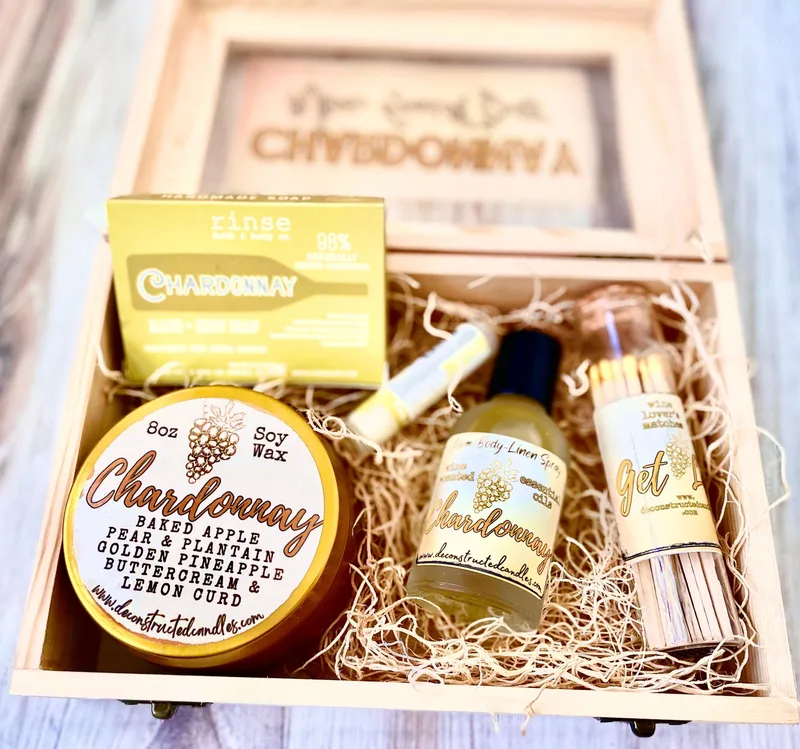
Candle marketing has a vocabulary problem. "Clean-burning." "Toxin-free." "All natural." These phrases decorate labels as if wax choice were a moral question, when the honest differences between soy, beeswax, and paraffin are practical ones: how fast the candle burns, how strongly it throws scent, what it costs, and what it feels like as an object. The wax matters, just not for most of the reasons the labels imply.
That gap makes candles a tricky gift. They are a default present for hosts, coworkers, and hard-to-shop-for relatives, which means the recipient has probably received mediocre ones before. Knowing what each wax actually does, and which claims to quietly discount, is the difference between adding to their windowsill of ignored jars and giving something they burn to the bottom.
The Short Answer
Soy is the slow, cool-burning workhorse of scented container candles; expect softer scent and longer burn times. Paraffin throws fragrance hardest and costs least, which is why most commercial scented candles use it or a blend. Beeswax burns longest of all with a natural faint honey aroma, is usually left unscented, and costs the most. Blends are common and nothing to fear. For a scented gift, pick soy or a soy blend from a maker who names the wax and fragrance; for pure ambience, beeswax tapers or pillars.
The Three Waxes, Without the Adjectives
Soy wax is hydrogenated soybean oil. It is soft, with a relatively low melting point, which is why it lives almost exclusively in containers rather than free-standing pillars. It burns cooler and slower than paraffin, so a soy candle of the same size lasts longer, and it carries fragrance more gently. Its cosmetic quirks, white frosting on the surface and "wet spots" where wax pulls from the glass, are signs of natural soy behaving normally, not defects.
Paraffin is refined from petroleum, and it is the incumbent for a reason: it is hard, holds high fragrance loads, and releases scent assertively when burning, what candle people call hot throw. It also takes crisp colors and makes free-standing pillars possible. Its downside is mostly reputational; burned properly with a trimmed wick, a well-made paraffin candle behaves itself.
Beeswax is the traditionalist's wax, dense and slow-burning with a subtle honey scent straight from the hive. It rarely takes added fragrance well, so honest makers sell it unscented and let the natural aroma carry. It is also the most expensive of the three as a raw material, which is worth remembering when a "beeswax" candle is suspiciously cheap; blends are common and should be labeled as such. Coconut wax rounds out the field: soft, creamy, and almost always blended with other waxes for structure.
Claims Worth Discounting
A few label phrases deserve gentle skepticism. "Toxin-free" is marketing; every burning candle is a small combustion event and produces byproducts, whatever the wax. The claim that beeswax releases negative ions that purify air circulates endlessly and is not supported; buy beeswax for its burn and scent, not as an air filter. Visible soot is mostly a wick and habit problem, an untrimmed wick, a draft, an overlong burn, rather than a wax-identity problem. And "lead-free wick" is table stakes, not a feature: lead-cored wicks have been banned in the United States since 2003, so every candle sold new should clear that bar. What actually distinguishes good makers is specificity: they name the wax, the wick material, and the fragrance type, because they have nothing to blur.
Choose by Scent, Setting, and Recipient
For someone who wants a room to smell noticeably of something, a paraffin or paraffin-soy blend delivers the strongest throw; this is the birthday-dinner, whole-apartment candle. For a desk companion burned for hours, soy's slow, quiet burn is the better temperament. For dinner-table ambience and no scent competing with food, beeswax tapers are the classic answer and make a distinctive housewarming gift precisely because few people buy them for themselves. For sensitive noses, choose unscented beeswax or a lightly scented soy candle, and note whether the maker distinguishes fragrance oils from essential oils; essential-oil scents tend to be subtler and simpler. One firm caution: for households with pet birds, skip scented candles altogether, since birds' respiratory systems are notoriously sensitive to airborne particles. And for the person who is more maker than burner, a candle-making kit, like the one among the picks under this story, turns the gift into an afternoon.
What to Look For (and What to Skip)
Look for:
- The wax named plainly: soy, beeswax, paraffin, coconut, or a stated blend.
- The wick type identified, cotton or wood; wooden wicks crackle softly and suit fireside moods.
- Fragrance described honestly, including whether it uses fragrance oils or essential oils.
- A stated approximate burn time, which signals the maker has actually tested their product.
- First-burn and wick-trimming instructions on the listing or label, the reliable mark of a maker who understands their craft.
Skip:
- "100% natural" with no wax named anywhere.
- Bargain-priced "beeswax" candles with no blend disclosure; pure beeswax is a costly material.
- Perfume-catalog scent descriptions with no information about the candle itself.
- Candles poured into thin, repurposed, or clearly non-heat-rated vessels.
- Oversized multi-wick jars for small rooms, where the scent overwhelms and the wax pools unevenly.
What Each Price Tier Buys
At the entry tier, mass-market paraffin candles are honest value: strong scent, low cost, and perfectly pleasant if burned with a trimmed wick. The solid middle tier is where most giftable candles live, small-batch soy and blends in home and living shops, where the premium pays for better fragrance quality, cleaner vessels, and a maker who tested the wick to the wax. At the top sit pure beeswax pillars and tapers, sculptural pieces, and refillable-vessel candles, where the object itself is part of the gift. For the hands-on recipient, kits from craft supplies and tools sit happily in the middle tier and often outlast any single candle in goodwill.
Burn It Right (and Say So in the Card)
A candle's performance is half maker, half owner. The first burn sets the pattern: let the melt pool reach the vessel's edge before extinguishing, or the candle will "tunnel" down a narrow channel for the rest of its life. Trim the wick to about a quarter inch before each burn; long wicks are the main source of smoke and mushrooming. Keep candles out of drafts, burn in sessions of a few hours rather than all day, and retire the candle when about half an inch of wax remains rather than burning to the glass. Passing these along with the gift is not fussy; it is the difference between the candle performing as the maker intended and the recipient concluding candles just do that.
Mistakes People Make
- Cutting the first burn short. The candle memorizes that small melt pool and tunnels forever after. Fix: give the first burn enough time to melt edge to edge.
- Never trimming the wick, then blaming the wax for smoke. Fix: a quarter inch before every burn.
- Buying scent strength by name rather than wax. A "vanilla" soy candle and a "vanilla" paraffin candle fill a room very differently. Fix: match wax to how strong the recipient likes scent.
- Treating soy frosting or wet spots as defects and returning a fine candle. Fix: they are cosmetic traits of natural wax.
- Burning to the very bottom of the glass. Overheated vessels can crack. Fix: stop at the last half inch.
Is soy wax really better than paraffin?
Neither is better; they optimize for different things. Soy burns slower and cooler, gives longer life per ounce, and suits subtle scenting. Paraffin holds more fragrance and throws it harder, at lower cost. Health framing between the two is mostly marketing; burn habits, wick trimming, avoiding drafts, matter more than wax identity. Pick soy for longevity and softness, paraffin for scent power, or a blend for both.
Why does my soy candle look frosty or patchy?
Frosting, the white crystalline bloom on soy wax, and wet spots, where wax pulls away from the glass in patches, are cosmetic characteristics of natural vegetable wax reacting to temperature changes. They do not affect scent, burn time, or safety, and they often appear after shipping through hot or cold weather. Makers cannot fully prevent them in pure soy; their presence is, if anything, evidence the wax is what the label claims.
Do beeswax candles clean the air?
The popular claim that beeswax releases negative ions that purify air is not supported. Beeswax is still a wonderful material: it burns longer than other common waxes, drips little when kept out of drafts, and carries a gentle natural honey scent without added fragrance. Buy it for those real qualities and its lovely warm light, not for air-cleaning benefits it has never been shown to deliver.
How long should a candle burn in one session?
Aim for sessions long enough to melt the wax pool to the vessel's edge, typically a few hours, but avoid marathon burns beyond roughly four hours; overlong sessions overheat the wick, cause mushrooming and smoke, and waste fragrance. Extinguish, let the candle cool and the wick be re-trimmed, then relight. The first burn is the exception worth planning around: it must reach a full edge-to-edge melt pool.
Reviews & comments
See every public review for this Journal story and leave your own note.