 All stories


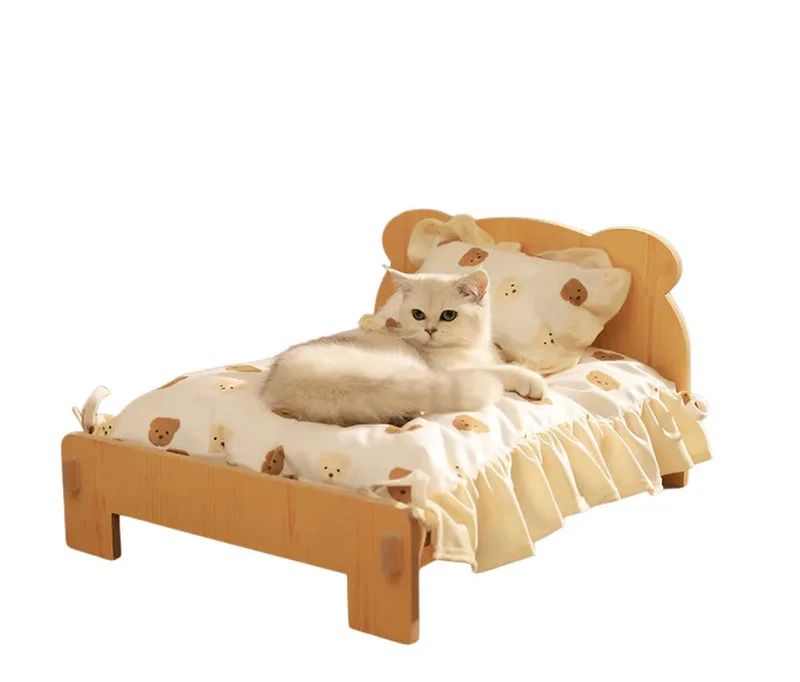
The dog bed graveyard is real: an igloo-shaped thing bought in a fit of optimism, a plush donut that got sniffed twice, a bolster mattress that now lives folded behind the vacuum. Meanwhile the dog sleeps on the same corner of the couch he has always claimed, and the cat has moved into the laundry basket. Most homes with pets have some version of this closet, and it isn't because the gear was cheap or badly made.
It's because pet gear gets bought the way throw pillows get bought — for how it looks in the room and how it photographs — while the animal makes decisions on entirely different criteria: warmth, smell, vantage point, and habit. The gear that survives past the first month is the gear that fits routines your pet already has. Everything in this guide flows from that one idea.
The Short Answer
Buy for observed habits, not product photos. Watch how your animal actually sleeps — sprawled flat or curled tight — and match the bed's shape to that posture. Measure the pet in that position and add several inches rather than trusting a breed-size label. Insist on a removable, machine-washable cover, and put the new bed exactly where the animal already chooses to rest. Style comes last, and that's fine — it just can't come first.
The Daily-Use Test
Before any piece of pet gear earns a place in your cart, run it through three questions. First: does it match a habit the animal already has? A window perch for a cat who already sits on that windowsill will get used; a tunnel for a cat who has never once enjoyed a tunnel will not. Second: will it survive weekly washing, muddy paws, and claws? If the honest answer is "hand wash cold, lay flat to dry," it will eventually stop being washed, and then it will stop being used. Third: can you stand looking at it in the room it will occupy? This matters more than people admit, because gear the owner resents gets quietly relocated, and relocation is the first stop on the road to the closet.
Products that pass all three questions become daily equipment. Products that pass two become occasional equipment. Products that pass one become clutter.
Match the Bed to the Sleeper
Beds are where most of the money and most of the regret concentrate, so they deserve the most thought. Dogs broadly sleep in two postures. Sprawlers stretch out flat on their sides, and they need a flat mattress with real foam — especially large breeds and older dogs, whose joints benefit from padding that doesn't compress to nothing under their weight. Check whether a listing describes foam thickness and whether the foam recovers after pressure; "orthopedic" is a marketing word with no official definition, so the construction details have to do the talking. Curlers tuck into a tight ball, and they tend to prefer bolstered or donut-style beds with a raised rim they can press their back against. Anxious dogs often settle faster in these too — the rim reads as cover.
Cats add a third axis: elevation and enclosure. A cat bed sitting on the open floor of a busy hallway will lose to a cardboard box on a shelf every time. Cats pick sleeping spots for warmth, partial concealment, and a view of the room, which is why enclosed cat houses and window-adjacent perches earn daily use where flat pillows don't. A well-built wooden cat bed has a second advantage: it reads as furniture, so it's allowed to live in the living room instead of being hidden away when guests come. The picks under this story lean toward beds on purpose — it's the category where daily use, or the lack of it, is most visible.
Washability Is the Whole Ballgame
A bed that can't be washed will smell within a month and be tolerated for maybe two more. Look for a cover that zips off completely and goes in the machine, and pay attention to the zipper itself — a flimsy zipper on a bed cover is the part that fails first. For puppies, senior pets, or anyone prone to accidents, a waterproof liner between cover and foam is the difference between washing a cover and replacing a bed. And if you find a bed your animal genuinely loves, buying a second cover is one of the quietly smartest purchases in pet ownership: one on the bed, one in the wash, no gap in service.
The same logic applies beyond beds. Food mats, blankets, fabric pet toys, harness padding — anything textile that touches your animal daily should have a realistic path to being cleaned without a project.
What to Look For (and What to Skip)
Worth your money:
- A removable cover that machine washes and machine dries without drama.
- Foam that springs back when pressed, in a stated thickness — not loose fill that flattens into a pancake.
- A nonslip base, especially on hard floors and for older animals who push themselves up.
- Sizing based on your own measurement of the sleeping animal, plus a few inches of margin.
- Materials that tolerate claws: tight weaves and dense fabrics over loops and loose knits.
Skip without guilt:
- Beds sized by breed label alone — a "medium" means nothing across brands.
- Anything called orthopedic that won't state what's actually inside it.
- Novelty shapes that fight your animal's real sleeping posture.
- Delicate or hand-wash-only fabrics in any product a pet touches daily.
- A duplicate of something your pet already rejected, in a different color.
Spend Where the Body Rests
Pet gear has a sensible budget hierarchy, and it isn't "spend more on everything." Entry-level beds make sense for puppies who are still growing and still chewing, for crates, and for secondary nap spots — animals nap in several places a day, and the second and third spots don't need premium foam. The solid middle tier — real foam, washable cover, honest sizing — is where the primary bed for most adult pets should live. The top tier, furniture-grade beds with wooden frames and replaceable cushions, earns its price only once you know the animal's habits are stable; it's a buy-once purchase for a pet whose preferences you've already observed, and it's also the tier that makes a genuinely good present for the owner who has everything else. If you're shopping for someone else's animal, browsing gifts for pet lovers with the owner's floor space and washing machine in mind beats guessing at the pet's taste.
Elsewhere, the priorities flip. Toys are consumables: rotation and variety beat durability claims, and a cheap toy that gets played with daily outranks an expensive one that gets ignored. Feeding gear is the reverse — pet feeding equipment gets used twice a day for years, so stable, easy-to-clean bowls and mats are worth a small premium over flimsy ones.
Mistakes People Make
- Buying for the room instead of the animal. The fix: pick the habit first, then find the version of that product you can live with aesthetically.
- Sizing by breed name. Labels vary wildly between brands; measure your animal asleep, in its usual posture, and compare against the bed's sleeping surface, not its outer edge.
- Ignoring smell. New beds sometimes get rejected because they smell like a warehouse; an unwashed blanket that already smells like home, laid on top for the first week, fixes this more often than not.
- Giving up after one rejection. Placement is usually the problem, not the product. Move the bed to the exact spot the animal already sleeps in and give it a week before passing judgment.
- Treating the whole house as one nap spot. Most animals rotate between two or three places; a good primary bed plus modest secondary options serves them better than one showpiece.
How do I choose the right size for a dog bed?
Measure your dog while asleep in a typical position — nose to tail base for sprawlers, the width of the curl for curlers — and add several inches in each direction. Then compare that number to the bed's usable sleeping surface, which on bolster beds is noticeably smaller than the overall dimensions. When you land between two sizes, take the larger one; dogs shift positions overnight, and cramped beds get abandoned.
Are orthopedic dog beds worth it for young dogs?
For a young, healthy dog, dense supportive foam is a nice-to-have rather than a need — correct size and washability matter more. The word "orthopedic" isn't regulated, so judge any bed by its stated foam type and thickness instead of the label. For large breeds, seniors, and dogs with joint trouble, genuine high-density foam stops being a luxury and becomes the main reason to choose one bed over another.
Why does my pet ignore the new bed?
Usually placement or smell, not the bed itself. Animals choose resting spots for warmth, safety, and vantage, so a bed placed where the pet never voluntarily rests starts at a disadvantage. Put it precisely where they already sleep, add a blanket that carries the smell of home, and give it a week or two. Cats in particular treat brand-new objects with suspicion first and claim them later.
What pet gear makes a good gift for a pet owner?
The safest gifts are upgrades to things used daily — a genuinely washable bed, a quality feeding setup, a durable leash — because daily-use gear is exactly where owners underspend on themselves. If you know the animal, a custom pet portrait adds the personal layer that practical gear can't. What to avoid: novelty items, and anything that assumes you know the pet's quirks better than the owner does.
Reviews & comments
See every public review for this Journal story and leave your own note.