 All stories


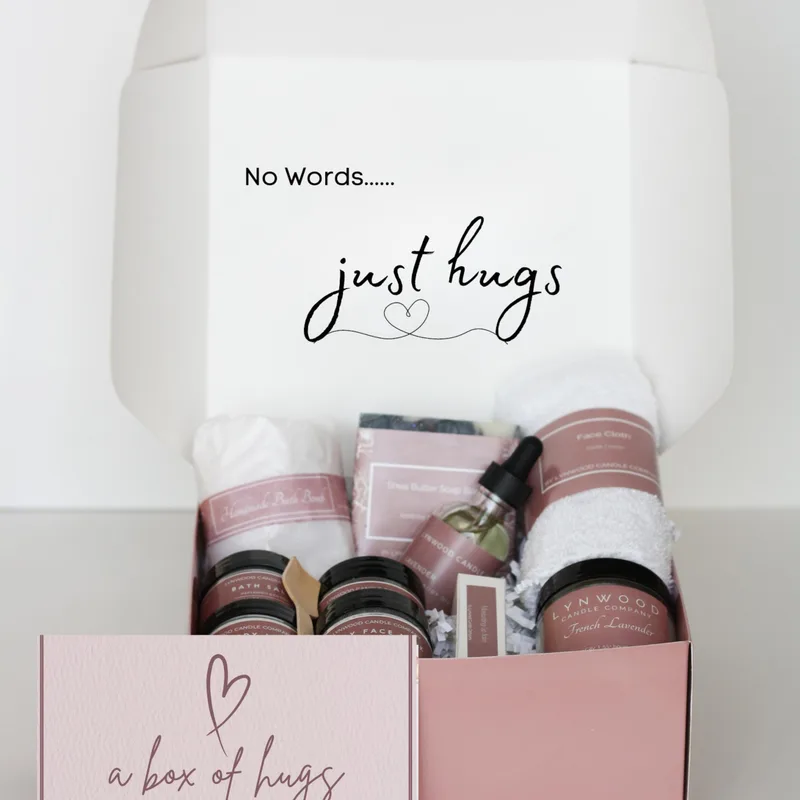
Everyone has one person on their list who answers the question honestly. Ask what they want for their birthday and they say, without any false modesty, that they really don't need anything. They are usually telling the truth. Their kitchen works, their closet is full, and the last thing they want is another object to find a home for. And yet showing up empty-handed feels wrong, because the occasion still matters even if the need doesn't exist.
The mistake is treating "I need nothing" as a puzzle to be solved with a cleverer product. It isn't a challenge. It's information. This person is telling you their material needs are covered, which means the usual logic of gift shopping, finding a gap and filling it, won't work. What still works, and works better, is attention: gifts that prove you noticed something about them, rather than gifts that add to their inventory.
Take the Statement at Face Value, Then Change the Question
Start by believing them. People who say they need nothing usually resent gifts that ignore the statement, because now they own a gadget they didn't ask for and feel obligated to display it. So drop the question "what do they need" entirely and replace it with "what have I noticed about them lately." What do they talk about when nobody is steering the conversation? What do they always run out of? What do they use daily that is quietly falling apart? The answers to those questions produce better gifts than any amount of browsing ever will, because the gift becomes evidence that you were paying attention.
Consumables Are the Safest Bet
A person who wants no more possessions can still be delighted by something that disappears. Good coffee, unusual tea, olive oil a step above what they buy themselves, chocolate they wouldn't spend their own money on: these respect the recipient's wish for an uncluttered life while still giving them a small stretch of pleasure. The trick is specificity. Generic gourmet baskets feel like a shrug; a single excellent version of something they already consume feels like a considered choice. Browse food and drink with one question in mind: what does this person already use up every week, and what would the noticeably better version of it be?
Quietly Replace Something Worn Out
Almost everyone owns something they use constantly and would never replace on their own. The wallet held together by habit, the umbrella with one bent rib, the kitchen towels that have gone gray, the phone charger that only works at a certain angle. These are not needs in the sense that the person would name them, which is exactly why they make good gifts. Replacing a worn daily object with a better version of the same thing carries a specific message: I watched how you live closely enough to spot this. It also avoids the core problem of gifting to this person, because it adds nothing new to their life. It upgrades what was already there.
Give Time Instead of Things
For many people who say they need nothing, the scarcest resource is not money or objects but unscheduled time and shared company. A planned dinner, tickets to something they'd enjoy but wouldn't book for themselves, a day trip with the logistics already handled, or a standing offer to take on a chore they dread can outweigh any object. Experiences ask for nothing back: no storage, no maintenance, no polite display on a shelf. If you go this route, do the planning yourself. An experience gift that arrives as "we should do something sometime" is a sentiment; one that arrives with a date and a reservation is a gift.
Make Something That Is About Them
There is one category of object that sidesteps the "no more stuff" objection almost entirely: something that exists only because this person exists. Custom art, whether a playful caricature or a more true-to-life portrait, is built around the recipient rather than adapted from stock, which changes how it is received. It cannot be redundant, because they don't already own a version of themselves, their family, or their dog on paper. The process is order-based: you pick a good reference photo, choose a style, brief the artist on details worth including, and review a proof before the final piece. Looking through caricatures and portraits and custom art is a quick way to see which style suits the person. Just start early, since custom work takes real lead time.
Small and Specific Beats Big and General
Price is a poor substitute for observation, and with this recipient it can actively backfire, since an expensive generic gift creates obligation without meaning. A modest gift with a precise reason attached tends to land far better. Plenty of well-chosen options live under thirty dollars; what elevates them is the sentence you attach.
The gift says you thought of them. The note says what, exactly, you were thinking.
Write down the reason you chose this particular thing for this particular person. If you can't produce that sentence, keep looking. If you can, the gift is already working before it's unwrapped.
For Milestone Occasions, Coordinate Instead of Piling On
The person who needs nothing suffers most at milestone events, when a dozen well-meaning people independently buy them a dozen candles. If a group is involved, coordinate. Pooling toward one meaningful gift, or dividing lanes so nobody duplicates, respects the recipient's wishes far better than volume does. This is what JediPic's Gift Rooms are for: a shared planning space where family and friends can see what's already covered, agree on one bigger idea, and keep the surprise intact. One considered gift from ten people beats ten polite ones every time.
What do you get someone who says they don't want anything?
Believe the statement, then give something that isn't inventory: a consumable they already love in a better version, a replacement for a worn-out daily object, a planned experience, or a custom piece of art made specifically about them. Each of these marks the occasion through attention rather than accumulation, which is what this recipient actually responds to.
Is it okay to show up without a gift if they asked for nothing?
Usually the honest answer is that a card with a genuinely personal note is the real minimum, not an object. If skipping a physical gift feels wrong, pair the note with something consumable or an invitation to spend time together. What most people asking for nothing actually want to avoid is clutter and obligation, not acknowledgment of the occasion itself.
Are gift cards a good idea for people who need nothing?
They can feel like a shrug for this recipient, since a gift card still asks them to want something. If you use one, narrow it: a card for their specific coffee shop or favorite restaurant reads as observation, while a general-purpose card reads as surrender. A short note explaining the choice does a lot to close that gap.
How much should I spend on someone who has everything?
Less than instinct suggests. For this recipient, spending more on a generic item only increases their sense of obligation without adding meaning. A modest, precisely chosen gift with a clear reason behind it almost always lands better than an expensive general one. Put the surplus budget into time, planning, or personalization instead of price.
Reviews & comments
See every public review for this Journal story and leave your own note.