 All stories


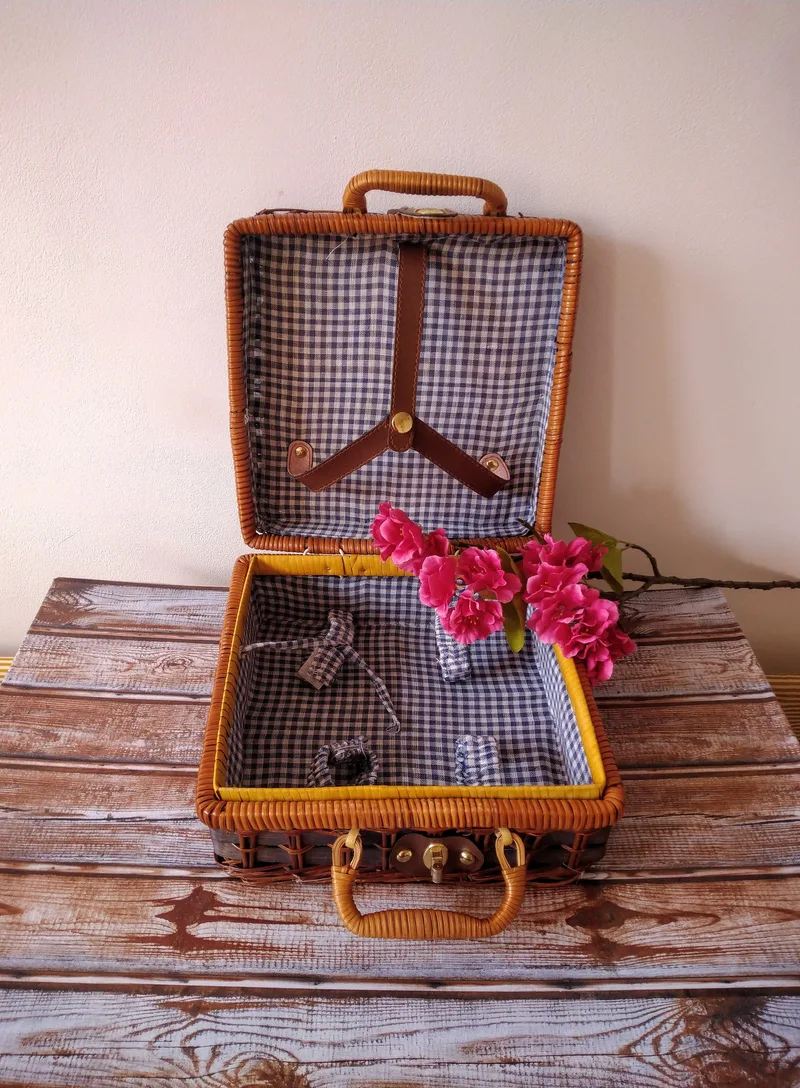
What actually ends an outdoor dinner early? Rarely the food, and almost never the company. It's the damp creeping through a blanket an hour after sunset, the wind flipping a corner into the salad, the wine glass that won't stand up, and sand in absolutely everything. Golden hour is a short window; the gear either buys you all of it or quietly gives half of it back.
People plan these evenings from the menu down — what to cook, what to pour — and improvise the ground layer with whatever blanket lives in the trunk. That's backwards. The blanket, the flat surface, and the wind plan are the infrastructure of the whole evening, and they're cheap and light compared to almost everything else in the basket.
The Short Answer
Build the setup from the ground up: a waterproof-backed layer against the earth, a soft washable layer on top for comfort and looks, one rigid flat surface for food and glasses, and a plan for wind — corner weights, stakes, or the cooler doing double duty. Buy larger than seems necessary; one extra-large mat outperforms two small ones every time. Everything else about the evening gets easier from there.
The Ground Layer Decides Everything
By evening, grass is damp even after a dry day — dew doesn't wait for rain. Any textile without a waterproof backing will wick that moisture upward within the hour, which is the slow, cold way outdoor dinners end. "Waterproof" in this category means a coated or laminated underside, not a water-repellent top, and it's the single non-negotiable spec for anything touching the ground after late afternoon.
Beach settings swap the enemy from damp to sand, and "sandproof" means something specific: a tightly woven synthetic surface that sand can't cling to or work into, so it shakes or brushes off in seconds instead of riding home with you. These mats also tend to dry fast and pack small, which is why the beach mat has quietly become the best all-purpose base layer for parks, festivals, and campsites too, not just shorelines.
One Blanket Never Does Every Job
The category makes sense once you stop hunting for a single perfect blanket and recognize three different tools. The packable synthetic mat is the workhorse: waterproof-backed, sand-shedding, wipeable, folds into its own pouch. It's the right ground contact for beaches, damp grass, and anywhere you carry gear a long way. Its weakness is charm — it feels technical rather than cozy.
The woven cotton throw is the opposite: soft, breathable, machine-washable, the thing that makes a spread look like a dinner instead of a campsite. It doubles as a couch blanket at home, which for home and living value is hard to beat. Its weakness is that cotton absorbs damp enthusiastically — which is why it belongs on top of a base layer after dusk, never alone on the grass.
The padded, quilted picnic blanket splits the difference: some cushioning, usually a backed underside, often a carry handle. It's the one-object solution for people who value simplicity over modularity.
The honest recommendation for anyone who hosts golden-hour dinners more than twice a summer: own the pair. Base mat down, cotton layer on top — the picks under this story are assembled around exactly that stack. If you only ever do one kind of outing, buy the archetype that matches it and skip the rest.
Size Up: The Math Nobody Does
Blanket sizing fails because people picture bodies lying down, then use the blanket sitting up. Seated adults claim more footprint than sleeping ones — crossed legs, elbows, the lean toward the conversation — and the food needs its own territory unless you enjoy plates balanced on knees. In practice, a standard throw seats two adults with food crowding the edges, while the extra-large class, roughly the footprint of a queen bed, seats four with a genuine food zone. There is no scenario where the bigger mat is the regret: it folds to nearly the same package, and the unused margin becomes the place where shoes, bags, and phones live — off the grass, out of the sand.
The Flat-Surface Problem
Everything on a blanket tips: stemware, open bottles, a board mid-slice. One rigid surface transforms the whole operation — a low folding table if you're driving, or simply a large wooden serving board laid flat, which stabilizes, serves, and looks better than plastic. Cluster the tippable things on it, keep the food and drink at the center of the layout rather than the edge where wind arrives first, and use the heaviest items — cooler, basket, the bag with the bottles — as anchors on the upwind corners. Stake loops and sand pockets are worth using where the ground allows; a blanket that stays put is the difference between hosting and wrestling.
What to Look For (and What to Skip)
Worth your money:
- A genuinely waterproof backing — a coated underside, not just tightly woven fabric.
- Corner loops, stake points, or pockets you can weight with sand.
- Machine-washable, or smooth enough to hose off and shake dry.
- Packs into its own pouch or straps, at a size that matches how far you carry it.
- Quick-dry synthetics for beach and shoulder-season use; real cotton for the comfort layer.
- The larger footprint, whenever you hesitate between two sizes.
Skip without guilt:
- "Water-resistant" tops with no backing — that's a picnic blanket for noon only.
- Anything labeled spot-clean-only; it will meet guacamole eventually.
- Compact fold-out mats sized for one person and a paperback.
- Heavy quilts for any spot you can't park next to.
- Pale, unwashable fabrics, however good they look in the listing photos.
Where the Money Goes
The entry tier is a packable waterproof mat, and it honestly covers most outings by itself — the highest value-per-dollar object in the category. The solid tier is the stack: mat plus a quality cotton layer, which upgrades comfort and looks without much added bulk, and adds a blanket that works indoors all winter. The top tier is the hosting kit — low table, serving boards, insulated carriers — worth it only for people who do this often enough that setup speed matters. As a gift, the middle tier is the sweet spot: a beautiful throw paired with a practical mat is one of the more genuinely used gifts for couples, and the same pairing reads well as a housewarming gift for anyone with a balcony, a yard, or a favorite park.
Mistakes People Make
- Cotton straight on evening grass. It's soaked by dessert. Fix: a backed layer underneath, always, after late afternoon.
- Undersizing. Count seated people, add the food's footprint, then round up. The bigger fold weighs ounces more and solves everything.
- No wind plan. Wind arrives with sunset on most shorelines and open fields; weight the upwind corners before it does, not after.
- Folding sand and crumbs in. Shake the mat out downwind before folding, every time — thirty seconds that keeps the car, the closet, and the next picnic clean.
- Storing it damp. A mat folded wet mildews inside its own pouch. Dry it open at home, then pack it away.
What size picnic blanket do I actually need?
Count the people sitting, not lying down: seated adults need more room than you'd guess, and food and drinks claim their own space. Two people with a real spread fill a standard throw; four people need the extra-large class, roughly the footprint of a queen bed. When torn between sizes, go larger — the packed difference is small, and spare margin becomes storage for bags and shoes.
How do sandproof beach blankets work?
The surface is a tightly woven synthetic that sand can't grip or work into, so it sits on top and shakes or brushes off in seconds. Paired with a waterproof underside, that also means the mat wipes clean and dries quickly. No blanket makes sand vanish — the habit that finishes the job is shaking it out downwind before folding, so nothing rides home in the fibers.
Can I machine-wash a waterproof picnic blanket?
Check the listing, but most synthetic mats tolerate a gentle cold cycle, and many only ever need a hose-down and a shake. What matters more is drying: hang it open until fully dry before it goes back into its pouch, because a damp mat stored packed will mildew. Cotton top layers are usually a standard machine wash — one reason the two-layer system is easy to live with.
Is a picnic setup a good gift for a couple?
It's a quietly excellent one: it gifts an activity rather than an object, and it requires knowing no sizes or tastes. A quality throw plus a packable waterproof mat covers beach, park, and backyard, and the throw earns its keep indoors the rest of the year. It suits new households especially well, which is why the same pairing doubles as a housewarming present.
Reviews & comments
See every public review for this Journal story and leave your own note.