 All stories


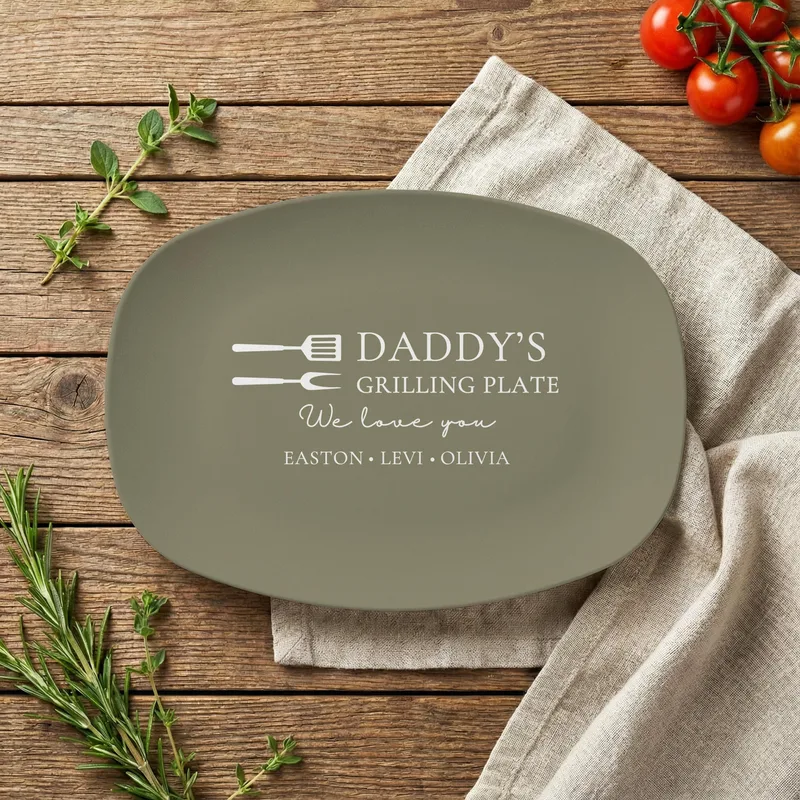
Somewhere in almost every griller's garage sits an eighteen-piece tool set in an aluminum case: corn holders never unwrapped, four skewers still zip-tied together, a basting brush stiff with age — and an empty slot where the tongs used to be, because the tongs were the only piece that mattered. Grill gifts are bought by piece count and used by the piece, and the gap between those two numbers is where most of the money in this category evaporates.
Watch someone actually cook over fire and the truth is plain: they use about three tools per session, plus whatever manages heat and smoke. A gift earns permanent grill-side space by doing one of those jobs better — temperature, grip, or smoke — not by filling a foam tray with silverware-adjacent objects.
The Short Answer
Skip the piece-count arms race. The upgrades grillers actually feel are an instant-read thermometer, one serious pair of long tongs, a chimney starter if they cook over charcoal, or a smoker box with wood chips if they cook on gas. If the tools are covered, feed the hobby instead — wood-chip variety, rubs, a serving board — or make the kit personal with engraved handles. One excellent tool beats eighteen adequate ones every time.
Gas, Charcoal, or Smoke: The Only Question That Matters
The single highest-value thing you can learn before buying is what the recipient cooks on, because the fuels want different gifts.
The weeknight gas griller values speed and certainty. Their best upgrades are an instant-read thermometer, great tongs, and a grill light for the months when dinner happens after dark. Gas grillers are also the audience for the smoker box: a small perforated steel box that sits over a burner, holding wood chips that smolder and lend real smoke flavor to a fuel that has none of its own.
The charcoal cook manages fire as part of the pleasure. The transformative gift here is a chimney starter — a steel cylinder that lights a full load of coals evenly with nothing but newspaper underneath, retiring lighter fluid and its aftertaste for good. It is unglamorous, inexpensive, and routinely described by charcoal cooks as the accessory they should have bought years earlier.
The smoke-curious sit between: they have a grill and an appetite for the low-and-slow world. Wood-chip variety, a leave-in probe thermometer for long cooks, and a sturdy pair of heat gloves move them along the path without demanding new equipment.
If you cannot find out what they cook on, default to the tools every fuel shares: thermometer, tongs, board.
The Three Tools That Do the Work
Tongs are the griller's hands. The good pair is stainless, spring-loaded, lockable for storage, and long enough — roughly the length of your forearm — to spare knuckles without going so long that control suffers. This is the tool used every single session, which is why one great pair outranks any set.
The thermometer is the biggest cooking upgrade in the entire category. An instant-read solves the exact problem — is it done? — that ruins more grilled food than any other, and it converts a guesser into a confident cook in one afternoon. For roasts and long smokes, a leave-in probe does the same job without lifting the lid.
The spatula earns its place with a stiff blade wide enough to commit to a burger flip. And the fork — the third prong of every traditional set — is mostly set-filler: piercing meat lets juices run, so experienced cooks reach for tongs instead. Its presence in a kit tells you the kit was designed for the box photo, not the fire.
What to Look For (and What to Skip)
Worth prioritizing:
- One-piece stainless construction or riveted handles; the tool flexes at the rivet or not at all.
- Real handle length for heat distance, on tongs and spatula both.
- Instant-read speed and a legible display on thermometers.
- Hanging loops — grill tools live on hooks, not in drawers.
- Engraving on wood or steel handles if you want the personal touch; it outlasts any printed coating near heat and weather.
Safe to skip:
- Piece count as the headline feature.
- Hollow or plastic handles destined for use near open flame.
- Forks as a primary tool.
- Single-purpose gadgets — presses, baskets, novelty brands — unless they map to a dish the recipient demonstrably loves.
- Fuel-mismatched gear: a smoker box for a charcoal-only cook (who can toss wood chunks straight onto the coals) or a chimney for a gas-only household.
Budget Reality
The entry tier is one quality tool or a wood-chip and rub sampler — genuinely complete as a gift, because this category is judged tool by tool. The solid tier is a compact stainless set of three to five real pieces, a good instant-read thermometer, or an engraved-handle set that makes the everyday tools personal; the catalog picks below live in this range. The heirloom tier moves toward carving sets with knife-grade steel, large hardwood serving boards, and premium thermometry for the serious smoker. At every tier the money should be in steel and handles rather than count — and pairing any of it with something consumable from the food and drink shelf means the gift gets used the first weekend.
The Personalization Angle
Grilling is performative cooking — there is an audience, a host, and a show — which is why personalization lands better here than in most kitchen and dining categories. Engraved tool handles, a name on an apron, a monogrammed hardwood board that goes from cutting surface to serving platter in front of guests: these read as recognition of a role the person is proud of. It is also a reliable route for gifts for parents whose grills are institutions, and for anyone whose tools are fine but whose pride deserves equipment with their name on it. Engraving is the method of choice outdoors; printed personalization near heat, grease, and weather does not survive its first season.
Mistakes People Make
- Buying count. Eighteen pieces photograph well and cook nothing. Fix: put the same budget into three tools that will be used every session.
- Mismatching the fuel. Fix: find out gas or charcoal before buying; if you cannot, give the tools all fuels share.
- Making novelty the whole gift. The apron alone lands as a joke. Fix: pair the fun piece with one workhorse — apron plus thermometer is a complete gift.
- Forgetting where grill tools live. Grills sit outside; tools left near them rust and warp. Fix: choose stainless with hanging loops, and skip bulky cases the recipient will never repack.
What is the single most useful grilling gift?
An instant-read thermometer. Doneness guessing ruins more grilled food than any other mistake, and a fast, accurate read fixes it for every food on every fuel. It suits beginners and veterans alike, duplicates gracefully because backups get used, and costs less than most tool sets. If you can only give one thing to a griller and know nothing else about them, this is the choice.
Can you get real smoke flavor on a gas grill?
Yes, within limits. A smoker box — a perforated steel box holding wood chips, set over a lit burner — smolders the chips and adds genuine smoke character to burgers, chicken, and shorter cooks. It will not replicate a dedicated smoker's hours of deep smoke on a brisket, but as a gift it opens the door: pair the box with a variety pack of chips so the recipient can find the woods they like.
Are 18-piece grill sets ever worth it?
Occasionally — for someone setting up an outdoor kitchen from zero, a set covers the basics in one box. But most sets reach their count with corn holders, skewers, and a fork that experienced cooks avoid, wrapped around three tools of middling quality. If the recipient already grills, one excellent pair of tongs or a thermometer will outdeliver the case. Judge sets by their worst pieces, not their count.
What personalization actually survives outdoors?
Engraving — cut into steel, or burned into hardwood handles and boards. Outdoor tools live with heat, grease, sun, and weather, and printed or decal personalization fades and peels within a season under that treatment. Engraved marks are part of the material itself, so they wear in rather than wearing off. For aprons and textiles, embroidery beats printing for the same reason: the personalization is structural, not surface.
Reviews & comments
See every public review for this Journal story and leave your own note.