 All stories


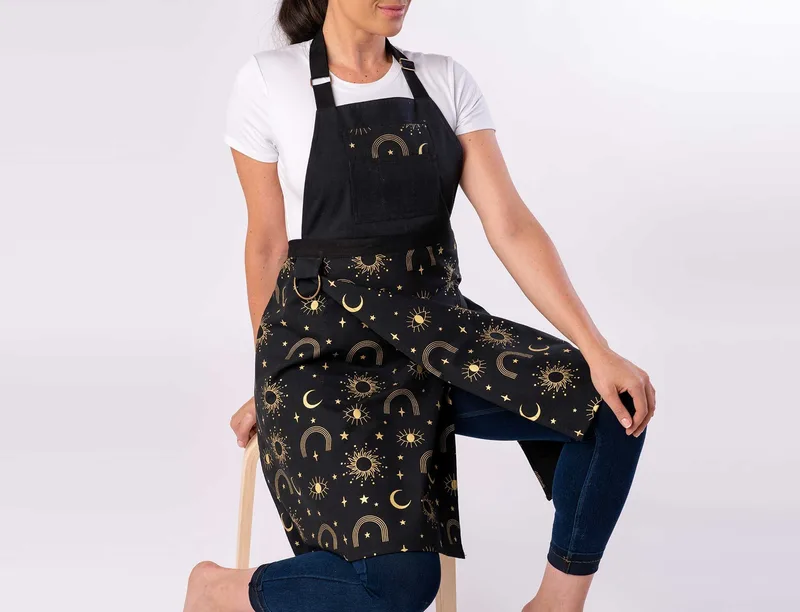
Most kitchen gifts are chosen for an imaginary person who cooks alone, slowly, for two. The host you are actually shopping for feeds twelve on a regular Sunday, owns three of every basic tool, and has strong opinions about where things go. Buying for this person is a different problem. They do not need another gadget. They need things that scale, things that survive a crowded table, and things that make the frantic last ten minutes before guests sit down slightly less frantic.
The good news is that hosts are among the most satisfying people to buy for, because they will actually use what you give them — in public, repeatedly, in front of the people they love feeding. The trick is to shop for the crowd, not the cook.
Think in Quantities, Not Gadgets
The single most common mistake is buying a host something clever instead of something big enough. A beautiful bowl that holds four servings is decor to someone who cooks for twelve. Before you shop, picture their table on a full night: how many people, how many dishes going out at once, how much counter space already spoken for. Then look at kitchen and dining pieces through that lens. Oversized serving bowls, wide platters, generous boards, big pitchers — scale is a feature for this person, not an inconvenience. If you are torn between two sizes, the larger one is almost always right. Nobody who hosts often has ever complained that a platter was too big.
Serving Pieces That Go From Oven to Table
Hosts live in the transition between cooking and serving, and anything that shortens that transition earns a permanent place. A baking dish handsome enough to land on the table directly means one less transfer, one less pan to wash, and food that arrives hot. The same logic applies to dutch ovens, ceramic bakers, and lidded casseroles: the lid keeps a dish warm while everything else catches up. When you evaluate a piece, ask whether it can be cooked in, carried out, and set down in front of guests without apology. Pieces that can do all three are the ones a host reaches for every single time.
Solve the Last Ten Minutes
The last ten minutes before guests eat are the hardest part of hosting: everything finishes at once, surfaces run out, and the host is doing four things while trying to seem relaxed. Gifts that ease this window are quietly brilliant.
- Trivets and long runners that let hot dishes land anywhere on the table.
- Warming plates or heavy pieces that hold heat, so early dishes wait gracefully for late ones.
- Large boards for staging — carving, resting, or assembling in one place instead of five.
- Serving utensils in quantity. Hosts always run short of serving spoons, never regular ones.
- A second set of anything they only own one of: tongs, oven mitts, kitchen towels that can be ruined without regret.
None of these are glamorous. All of them get used every time the door opens.
Consumables Are Not a Cop-Out
There is a persistent idea that giving food to a good cook is like giving a book to an author. In practice, the opposite is true. Serious hosts burn through olive oil, vinegars, spices, coffee, and everything on the food and drink shelf at a pace casual cooks cannot imagine, and they rarely splurge on the premium version of a staple for themselves. A genuinely good bottle of olive oil, an unusual vinegar, a spice set from a cuisine they love — these get used within weeks and remembered longer than most objects. Consumables also solve the storage problem: they are the one category of kitchen gift that never has to fight for cabinet space, because they are designed to disappear.
Personalized Pieces, Used Correctly
A host's kitchen is a natural home for personalization, but placement matters. An engraved cutting board works best as a serving piece — for bread, cheese, or charcuterie — where the engraving is seen and the surface is spared heavy knife work that would carve through the design. A personalized recipe box, a monogrammed serving board, or a piece marked with the family name or the year they bought the house all fit the way hosts think about their kitchens: as the center of a household, not just a workspace. For a host settling into a new home, this is where housewarming gifts and kitchen gifts overlap perfectly. Keep the personalization simple and let the object do its job.
What to Skip
A few categories reliably disappoint serious hosts. Single-purpose gadgets — the avocado tool, the strawberry huller — insult the knife skills of anyone who cooks at volume. Countertop appliances are a gamble unless you know their counter space and their gaps; an unrequested appliance is a storage problem with a plug. Novelty aprons and joke kitchenware get one laugh and no second use. And be careful with knives and cookware unless you know their preferences precisely, because people who cook seriously choose these tools the way musicians choose instruments. When you are unsure, err toward the table rather than the stove: serving pieces, home and living staples, and consumables involve far less guesswork than tools do.
What is the best kind of kitchen gift for someone who hosts a lot?
Things that scale and things that serve. Oversized platters, big bowls, oven-to-table dishes, trivets, and serving utensils address the actual pressure points of feeding a crowd. Hosts already own the basic tools; what they run out of is capacity and table-ready pieces. If in doubt, choose the gift that helps the last ten minutes before guests sit down.
Are food gifts too simple for a serious cook?
No — they are often the most appreciated option. People who cook constantly go through oil, vinegar, spices, and coffee quickly, and rarely buy the premium version of a staple for themselves. A high-quality consumable gets used within weeks, requires no storage space, and shows you understand how their kitchen actually runs. Pair it with a note about why you chose it.
Is a personalized cutting board a practical gift?
Yes, if it is given as a serving board rather than a daily chopping surface. Used for bread, cheese, or charcuterie, the engraved side stays visible and undamaged, and the board becomes part of how the host presents food. Simple personalization — a family name, a date, a single line — tends to age better than elaborate designs.
What kitchen gifts should I avoid giving a host?
Skip single-purpose gadgets, unrequested countertop appliances, and novelty kitchenware, which either duplicate skills the host already has or claim space they do not have. Be cautious with knives and cookware unless you know their exact preferences, since serious cooks are particular about their core tools. Serving pieces and consumables are the safer and usually more welcome territory.
Reviews & comments
See every public review for this Journal story and leave your own note.