 All stories


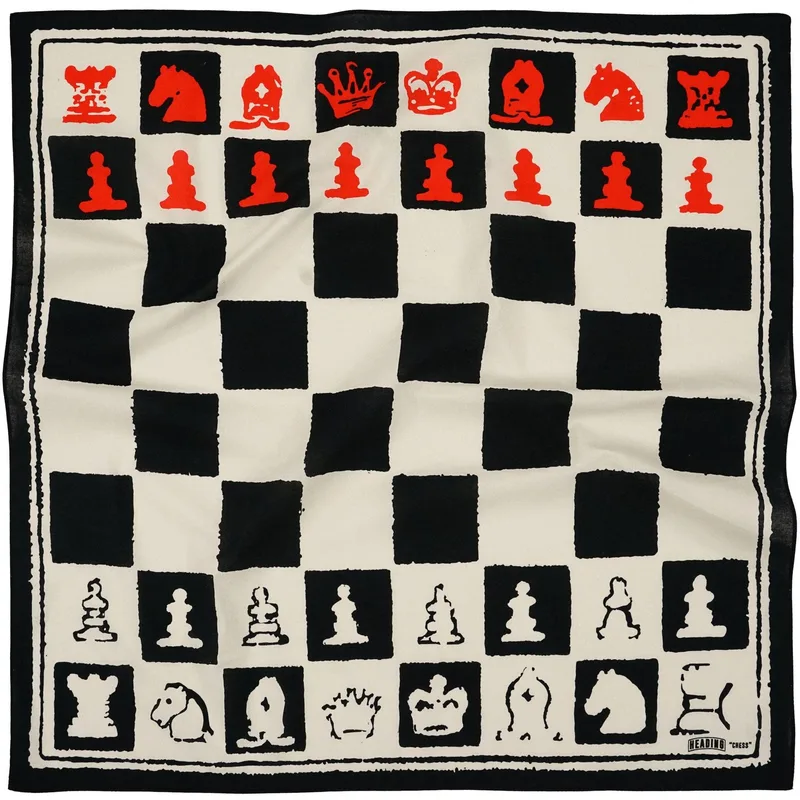
Some families play games. Competitive families keep score. They remember who won last Thanksgiving, they have house rules with disputed histories, and at least one member has been accused — fairly — of taking a children's card game too seriously. Buying a game night gift for this family is not like buying for casual players. A game that gets played once and shelved is a failure here, and a game that produces good arguments, rematches, and grudges is a triumph.
The stakes are worth taking seriously, because a well-chosen game becomes part of a family's shared language for years. Here is how to pick gifts that survive contact with people who play to win.
Match the Game to the Actual Table
Before anything else, count the table. A brilliant game for exactly four players is a problem for a family of six, because game night gifts get judged on whether everyone can play. Check the realistic player count — not the range printed on the box, but the number at which the game is actually fun, which for many games is narrower. Then consider the age spread. A game that a sharp nine-year-old can genuinely compete in, rather than merely participate in, is gold for mixed-age families, because competitive families hate handicapping. The best mixed-age games rely on speed, luck, spatial sense, or bluffing rather than accumulated strategy knowledge, which levels the field honestly instead of artificially.
Replayability Beats Novelty
Competitive families burn through content. A game built around one clever twist gets solved in two sessions; a game with a strong engine — simple rules, deep decisions, different every time — gets played for a decade. When evaluating anything from toys and games, ask what the tenth play looks like. Games driven by player interaction age best of all, because the opponents change even when the rules do not: bluffing games, bidding games, negotiation games, anything where the challenge is reading the people across the table. In a competitive family, the other players are the content, and a game that showcases them never goes stale.
Respect the Thirty-Minute Filler
There is a specific hole in most family game collections: the short game. Big-box strategy games dominate wish lists, but the games that actually hit the table most often are the ones that fit into the gaps — after dinner on a weeknight, between rounds of something longer, while waiting for one more person to arrive. Fast card games, dice games, and party games with real competitive teeth get played constantly precisely because starting them costs nothing. This is also the most forgiving category for gift buyers: fillers are inexpensive, easy to learn, and low-risk, which makes them ideal gifts under thirty dollars and reliable stocking material. A competitive family can absorb an unlimited number of good twenty-minute games.
Upgrade the Ritual, Not Just the Shelf
If the family already owns more games than they can play, stop buying games and start buying infrastructure. Game night is a ritual, and rituals have equipment.
- Score pads and a proper timer, because competitive families argue about both.
- A card holder or two for the youngest and oldest hands at the table.
- A large playing mat that defines the arena and protects the table.
- Good snacks in vessels that keep grease off the cards — a genuine consideration.
- Storage that ends the avalanche shelf: organizers, labeled boxes, a dedicated cabinet.
These gifts say you understand that game night is a standing institution, not an occasional activity. For the family that hosts game night for a wider circle, this kind of gear overlaps nicely with gifts for friends who are regulars at the table.
Make the Rivalry Part of the Gift
Competitive families do not just want to win; they want winning commemorated. This is where personal touches fit game night surprisingly well. A framed piece of custom art of the family in mid-game chaos — dice flying, accusations in progress — captures the institution better than any posed portrait, and a family caricature built around their actual game night is the kind of gift that hangs above the table permanently. Simpler versions of the same idea work too: a trophy for the standing champion that must be surrendered on defeat, or a framed scorecard from a legendary night. The gift is not the object; it is the acknowledgment that the rivalry matters.
Buying for the Family That Has Everything
Every competitive family has a collector who already owns whatever you were considering. When shopping blind, use three moves. First, ask what got played at their last game night and buy adjacent to it rather than duplicating it. Second, go consumable or upgradable: sleeves, inserts, replacement dice, a nicer version of a component they use constantly. Third, when truly stuck, buy for the kids in the family — a new game aimed at the youngest players refreshes the whole family's rotation, because everyone ends up playing it. A gift receipt is not an admission of defeat in this category; even a duplicate copy of a beloved game has trade value in a household that plays seriously.
What makes a board game good for a competitive family?
Simple rules with deep decisions, a realistic player count that fits the whole family, and heavy player interaction — bluffing, bidding, negotiation. These games stay fresh because the opponents are the content, and they produce the close finishes and rematches competitive families live for. Avoid one-twist novelty games, which get solved quickly and shelved.
How do I choose a game for mixed ages?
Look for games where a child can genuinely beat an adult without handicaps — usually games built on speed, luck, memory, or spatial sense rather than accumulated strategy. Check that the realistic player count covers the whole family, and favor short play times so younger players can finish a full game. Honest competition across ages is what keeps everyone at the table.
Are game accessories worth giving as a standalone gift?
Yes, especially for families whose shelves are already full. Score pads, timers, card holders, playing mats, and storage organizers are used at every session, which is more than most new games can claim. Accessories signal that you take their game night seriously as an institution, and they never duplicate something already owned in the way another boxed game might.
What is a good game night gift under thirty dollars?
Short filler games are the best value in the hobby: fast card games, dice games, and party games with competitive edge cost little and hit the table constantly. Score pads, dice sets, card sleeves, and snack-safe serving pieces also land in this range. In a competitive family, a great twenty-minute game will see more plays than most expensive strategy boxes.
Reviews & comments
See every public review for this Journal story and leave your own note.