 All stories


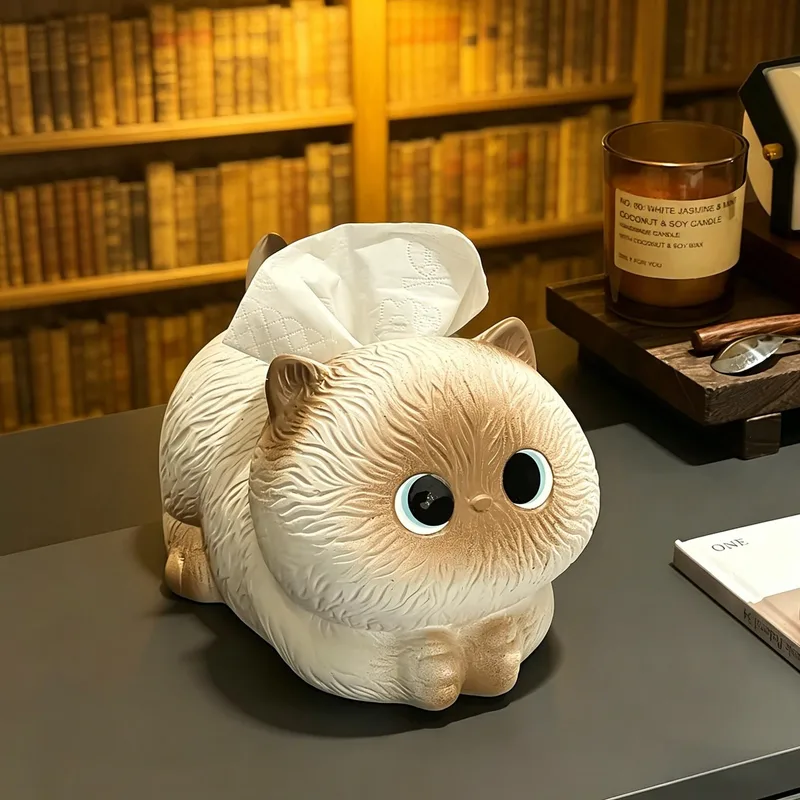
A desk is one of the few places where a small object earns its keep every single day. Whether the recipient is a student, a remote worker, or someone who just answers email at the kitchen table, anything that makes those hours slightly better gets used hundreds of times a year. That daily-use math is what makes desk and study gifts such a dependable category, from a modest coworker gift up to a serious present.
The catch is that workspaces are personal. People have systems, even messy ones, and a gift that fights the recipient's habits gets quietly shelved no matter how nice it is. So the skill in this category isn't finding impressive products; it is choosing types of upgrades that fit almost anyone, and knowing what separates a good version from a flimsy one. That is what this guide covers: the categories worth shopping in, and how to judge quality within each, without needing to know the exact contents of anyone's desk drawer.
Lighting Is the Upgrade Most People Skip
Ask people what is wrong with their workspace and almost nobody says the lighting, yet a surprising number of desks are lit by a ceiling fixture behind the person's head. A proper desk lamp is therefore a near-universal gift: genuinely useful, rarely already owned in good form, and used every day it is dark outside.
Judging one is straightforward. Look for adjustability first, in both the arm and the brightness, because a fixed lamp at a fixed intensity fits exactly one desk and one task. Adjustable color temperature, warmer light for evening and cooler light for focus, is the second feature worth paying for. A stable, reasonably heavy base matters more than styling, since a lamp that tips when the arm extends is a lamp that gets retired. Sculptural statement lamps are decor; for a gift meant to be used, function should win the tie. The electronics and accessories category is where the more capable versions tend to live.
Organization That Respects Their Habits
Organizers are the classic desk gift and the most commonly abandoned one, because most of them impose a system. The safer move is choosing pieces that adapt to whatever the person already does rather than prescribing a method: a simple tray that corrals whatever gets dropped on it, a monitor or laptop stand that raises the screen and creates storage underneath, a headphone hook, a cable organizer that tames the charger tangle behind everything. These work whether the recipient is meticulous or chaotic, which is exactly the property you want in a gift.
Quality signals in this category are material and weight. Solid wood, metal, stone, and thick leather age well on a desk; thin molded plastic looks worse every year. Heavier is generally better for anything that sits on a surface, since organizers that slide around annoy people into removing them. And favor open designs over compartmentalized ones with many small slots sized for specific objects; the more specific the slots, the more the gift assumes about how someone works.
Comfort Upgrades They Would Not Buy Themselves
The most appreciated desk gifts are often the ones that address discomforts people have simply gotten used to. A footrest for the person whose chair is forever slightly too high. A supportive cushion for a hard seat. A wrist rest for the heavy typist. A laptop riser for anyone hunching at a small screen for hours. People postpone these purchases indefinitely because the discomfort is tolerable, which is exactly the profile of a good gift.
Judge these on adjustability first and materials second. Bodies and desks vary, so a footrest or stand with a fixed height is a gamble, while an adjustable one fits almost anyone. For cushions and rests, denser support tends to outlast soft squish, which flattens with use. This category does require light knowledge of the person's situation, someone at a desk all day versus an hour a night, so it suits closer relationships, while gifts for coworkers territory is usually better served by the lamp, tray, and paper categories.
Paper Still Earns Its Desk Space
Screens have not killed the notebook; if anything, a good one has become more of a small luxury. Notebooks, planners, and quality pens make excellent gifts precisely because most people write on whatever is nearest and have never spent real money on paper. The upgrade is felt immediately, every time the pen touches the page.
What separates good paper goods from stationery-aisle filler: paper heavy enough that ink doesn't ghost through to the other side, a binding that lets the notebook lie flat when open, which matters more in daily use than any cover design, and a cover sturdy enough to write on without a desk underneath. For planners, undated formats are the safer gift, since a dated planner given mid-year is already half spent. A reliable pen that writes the moment it touches paper beats a prestigious one that gets babied in a drawer.
Something Worth Looking At
Desks are where people stare into the middle distance a dozen times a day, so what occupies that sightline is not trivial. A small framed print, a desk-sized plant in a decent pot, or a modest object that simply pleases the eye gives those pauses somewhere to land. This is the most personal category in the guide, taste rules it, so it belongs to gift-givers who know the recipient's rooms. When you do, a piece chosen from home decor scaled to desk size, small, since desk real estate is contested, can be the gift that outlasts every gadget. For the fully personal version, a small framed piece of custom art, of a pet, a family, an inside joke, turns the sightline into something with a story; portraits and custom art covers that range.
How to Judge Quality Across the Whole Category
A few tests apply to nearly everything above. Weight and stability first: objects that live on a work surface get bumped constantly, and the ones that slide, tip, or rattle get removed. Materials second: surfaces touched daily should be things that wear in rather than wear out, metal, wood, leather, dense fabric, and real paper over thin plastic and coatings that peel. Adjustability third, wherever bodies or setups vary. And last, the three-year test: if you can picture the object still on the desk in three years, it passes. Most novelty desk items fail exactly that test, which is why the plainest-sounding gifts in this category are so often the best ones.
What makes a good desk gift for a coworker?
Choose universally useful, system-neutral items: a quality desk tray, a good notebook, a reliable pen, or a small lamp. These fit any working style without assuming knowledge of the person's habits or comfort needs, which footrests and cushions do require. Judge candidates by materials and stability rather than novelty, since joke desk gifts are usually gone within a month while a solid plain object stays for years.
How do I choose a desk lamp as a gift?
Prioritize adjustability in the arm and the brightness, then adjustable color temperature so the light suits both daytime focus and evening work. A heavy, stable base matters more than styling, because a lamp that tips when repositioned stops being used. Consider looks only after those three, and remember that a simple design fits far more rooms than a bold one.
Are notebooks and planners too generic to give?
No, but quality is the entire point of giving one. Most people write on cheap paper by default, so a notebook with heavy, bleed-resistant pages and a lie-flat binding is a felt upgrade rather than a filler gift. Choose undated planners over dated ones, and pair paper with a genuinely reliable pen. Generic is only a risk when the version you give is no better than what they already use.
Should desk gifts be personalized?
Selectively. Personalization works best on the decorative layer, a framed print, custom art of a pet or family, an object with a private reference, where it turns a workspace into the person's own territory. It works least well stamped onto functional tools, where a name or slogan can make a useful object feel like merchandise. Personalize what they look at; keep what they work with plain and excellent.
Reviews & comments
See every public review for this Journal story and leave your own note.