 All stories


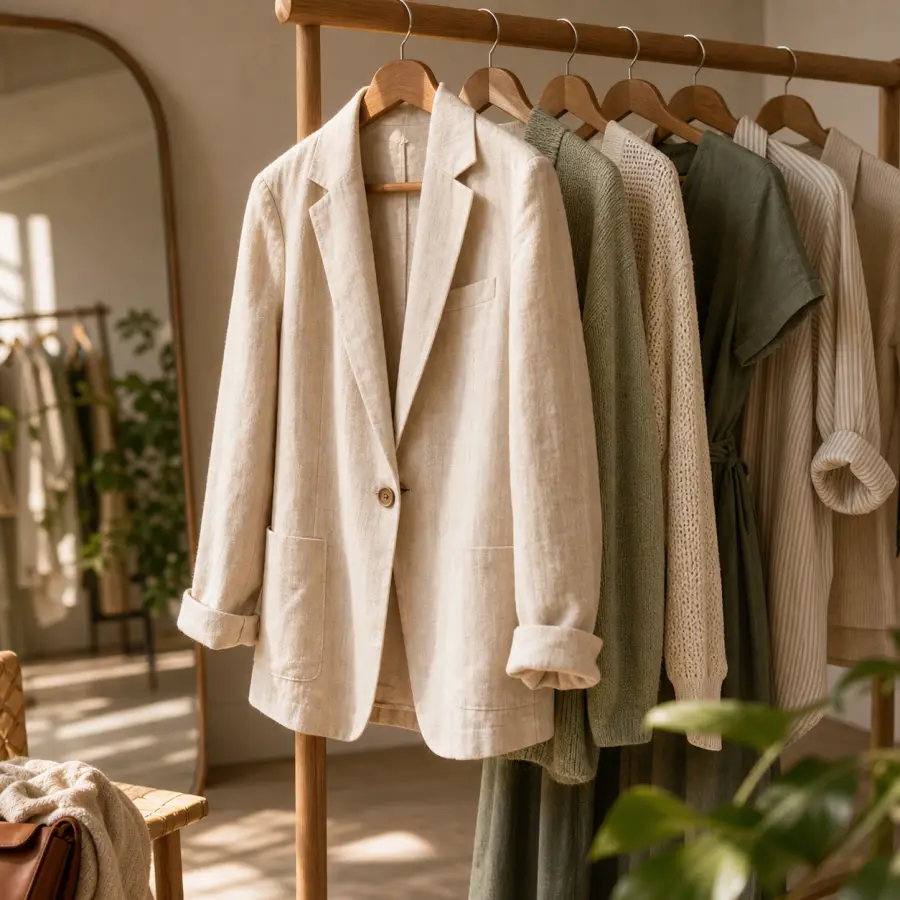
A blanket is one of the few gifts that works across almost every relationship and occasion. It requires no size information, imposes on nobody's taste too aggressively, suits a housewarming as well as a birthday, and gets used in a way most gifts never do: wrapped around the recipient on a regular basis for years. That is why textiles are a perennial gift category, and why every store fills a shelf with throws before the holidays.
It is also why the category is full of disappointing versions. Because a folded blanket photographs well and feels soft for the first thirty seconds of handling, poor quality hides easily at the point of purchase and reveals itself in the wash. The difference between a throw that pills into a matted board within a season and one that gets fought over for a decade is mostly knowable in advance, if you know what to check. This guide is about the checking: materials, sizes, quality signals, and the handful of judgment calls, weighted blankets, personalization, that decide whether a textile gift lands.
Why Textiles Are a Reliable Category, Honestly Stated
The case for a blanket as a gift is practical rather than romantic. Nearly everyone uses one; few people own a genuinely good one, because a mediocre blanket technically works and so never gets replaced. That gap, universally used but rarely upgraded, is the classic profile of a strong gift category, the same logic that makes good towels and good sheets welcome despite sounding dull. The gift is not really the object; it is the daily comfort upgrade the recipient would not have bought for themselves.
The honest caveat: because the category is so safe, it is also the default for givers who have stopped trying. What separates a considered textile gift from a grabbed one is quality and fit for the specific person, which is exactly what the rest of this guide is for.
Know the Materials, Because the Material Is the Gift
With textiles, the fiber determines nearly everything: warmth, weight, feel, durability, and care. Cotton is the versatile default, breathable, machine-washable, comfortable in most climates, with woven and waffle versions running cooler and heavier knits running warmer. Wool offers the most warmth for its weight and stays warm even slightly damp, but some people find it itchy and some wool wants gentle care, so it suits recipients you know a little. Fleece and other synthetics are inexpensive, light, and instantly soft, but cheap versions pill quickly and sleep hot; they are the right call for durability-over-refinement situations like kids, pets, and picnic duty. Linen sits at the cool end, best for warm climates and warm sleepers. Blends try to split these differences, and the honest ones say exactly what is in them.
Match the fiber to the person and their setting before considering anything else. A heavy wool throw gifted into a hot apartment fails as surely as a thin cotton one gifted to someone who is always cold. The bedding category is where the fuller range of materials lives, beyond the seasonal throw shelf.
Size and Weight Are Where Throws Go Wrong
The most common complaint about throw blankets is not softness; it is that they are too small. A decorative throw sized to drape over a sofa arm often cannot cover an adult who actually wants to use it, and a blanket that forces a choice between covered shoulders and covered feet gets resented every evening. When giving a blanket meant for use rather than decor, err generously on size, and if the recipient is tall, treat that as the deciding specification. Between two otherwise similar options, the larger one is almost always the better gift.
Weight is the second axis, and it is a preference, not a quality measure. Some people want substantial, pinned-down heft; others want something light they can forget they are under. If you have ever seen the recipient burrow under a pile of blankets, or conversely kick everything off, you already have your answer. When you know nothing, a medium-weight cotton or blend is the option that offends no one.
Judging Quality Before You Buy
A few checks separate the lasting from the disappointing, and most of them work even when shopping online. Density is the big one: a good blanket of any material feels substantial for its type, while a loose, gauzy weave or a thin, airy fleece signals a product built down to a price. Check the edges, since hems and bindings fail first; a wide, evenly stitched binding or a properly finished woven edge outlasts a thin rolled hem. Read the care label before buying, not after, because a gift that demands hand-washing quietly becomes a burden unless the recipient is the hand-washing sort. Fiber content listed plainly and specifically is itself a good sign; vague, poetic fabric names with no fiber breakdown usually are not. And with pile fabrics, run a hand firmly across the surface if you can: shedding in the store means shedding on the couch.
Beyond the Throw
The same universally-used, rarely-upgraded logic extends across the textile shelf. Genuinely good towels are a gift almost nobody regrets receiving. Quality pillow covers refresh a room for less than any piece of furniture. Table linens suit the people who host. A robe is the wearable version of the throw and follows the same material rules. For a housewarming specifically, textiles are close to the perfect category, immediately useful, size-agnostic, and needed in quantity by anyone setting up a home, which makes housewarming gifts the occasion where this whole guide applies at once. Browsing home and living with the same material-first, check-the-edges discipline works everywhere in the category.
One judgment call deserves its own sentence: weighted blankets are a genuine preference item, loved by some and claustrophobic to others, so they make a risky surprise unless the recipient has expressed interest.
When Personalization Helps, and When It Doesn't
Textiles take personalization well, within limits. A monogram or embroidered initials on a quality blanket, robe, or towel set adds a layer of intent without compromising the object, and marks it as belonging to someone in a way plain goods never quite do. Photo-printed blankets are the trickier call: the fabrics that print well are rarely the fabrics that feel best, and a blanket covered in faces is a bold decor commitment, so they work best as sentimental novelty rather than as someone's primary couch blanket. A middle path is pairing an excellent plain throw with a small personal element alongside it, a handwritten note, or a modest piece of custom art that carries the sentiment while the blanket carries the comfort. The personalized gifts category covers the range; the rule of thumb is that personalization should be added to a good textile, never used to excuse a poor one.
What size should a throw blanket be as a gift?
Larger than the decorative standard. Many throws are sized to drape over furniture rather than to cover a person, and a blanket that cannot cover an adult's shoulders and feet at the same time disappoints daily. For a gift meant to be used, choose generously, and treat the recipient's height as the deciding factor. Between two comparable options, the larger one is almost always the better gift.
Which blanket material is best for a gift?
There is no universal best, only best for this person. Cotton is the safe default: breathable, machine-washable, and comfortable in most climates. Wool gives the most warmth for its weight but can itch and may need gentle care. Fleece is soft, cheap, and durable but sleeps hot and can pill. Linen suits warm climates. When you know little about the recipient, a medium-weight cotton or cotton blend is the lowest-risk choice.
Are weighted blankets a good gift?
Only when you know the recipient wants one. Weighted blankets are a strong preference item: some people find the pressure deeply calming, while others find it uncomfortable or claustrophobic, and there is no reliable way to predict which from the outside. If the person has mentioned wanting to try one, it can be an excellent gift. As a surprise for someone who has never expressed interest, it is a gamble.
How can I tell if a blanket is good quality when shopping online?
Read the fiber content first; specific, plainly stated fibers beat vague fabric names. Check the care label, since impractical care quietly becomes the recipient's problem. Look closely at photos of the edges, because thin rolled hems fail before wide, evenly stitched bindings. Listed weight and dimensions suggest substance, and reviews that mention how the blanket held up after months of washing are worth more than first-day softness praise.
Reviews & comments
See every public review for this Journal story and leave your own note.