 All stories


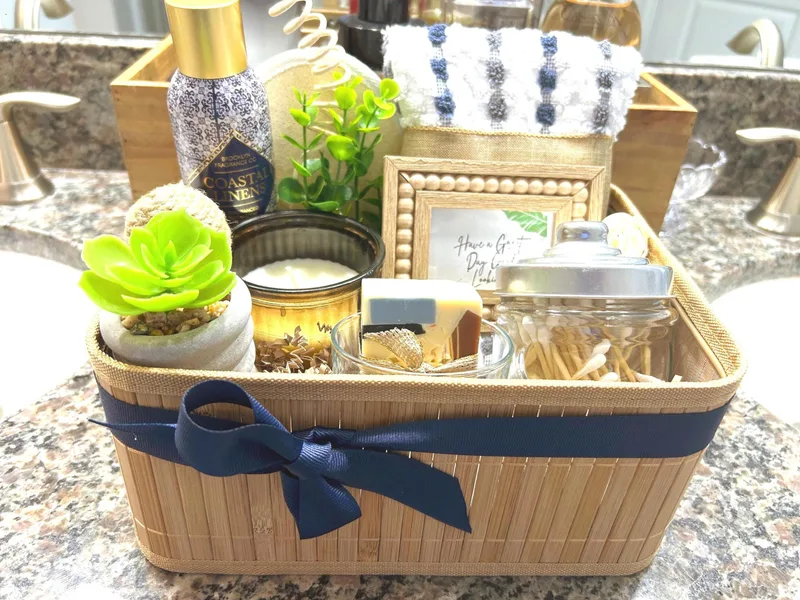
It's a familiar arc: a candle smells incredible in the store — you'd wear it as perfume if you could — and then at home it produces a faint suggestion of scent within arm's reach of the jar and nothing beyond. The reflex is to blame your nose, or to buy a bigger candle. Usually, neither is the problem.
The problem is that a candle sniffed cold in a shop and a candle burning in your living room are two different products. The gap between them has a name in the candle trade, and once you understand it — along with what wax type and wick actually do — the whole category stops being a lottery. That goes double when you're buying scent for someone else's home, which is one of the most commonly fumbled gifts there is.
The Short Answer
Match the candle to the room, not to the shelf test. Room size sets how much scent projection you need; wax and wick set how the candle behaves — soy burns cooler and slower with a softer presence, paraffin projects harder, blends split the difference. Burn it correctly — a full first melt pool, a trimmed wick — and one well-made candle will outperform three impulse buys. Gifting? Stay in the safe scent families: fresh linen, citrus, light woods.
Cold Throw, Hot Throw, and the Store-Shelf Trap
Cold throw is how a candle smells unlit — the thing you test in a store. Hot throw is how much scent it releases while burning, which is the thing you actually live with. The two are related but not the same: fragrance concentration, wax type, wick size, and jar diameter all shape hot throw, and none of them can be judged by sniffing a cold lid. Some candles are built to win the shelf test with a loud cold throw and then underdeliver lit; some quiet-smelling candles fill a room.
Since you can't burn-test in a store, read the listing like a spec sheet instead: wax type, a fragrance description with actual notes, stated burn time, and wick count relative to jar width all predict hot throw far better than the sniff does. Then match strength to the space — a powerhouse candle that suits an open-plan living room is oppressive in a small bedroom, and a subtle single-wick disappears in a kitchen with the range hood running.
Wax Is a Choice, Not a Buzzword
Wax types get marketed as moral categories; they're really just materials with trade-offs. Soy wax burns cooler and more slowly than paraffin, which stretches burn hours, and its scent presence tends to be softer and closer to the jar — a genuine advantage in bedrooms and small spaces, a limitation in large rooms. Paraffin holds and projects fragrance strongly, which is why it still dominates the loudest-smelling candles. Blends exist precisely to split this difference, and coconut-blend waxes are common in premium candles for their smooth, even burn. Beeswax burns with a faint natural honey note and carries added fragrance less prominently — better for someone who wants light, natural ambience than for scent-forward rooms.
None of these is a wrong answer. A listing that names its wax is telling you how the candle will behave; a listing that won't name its wax is asking you to guess.
Wicks, Tunneling, and Why the First Burn Decides Everything
Wax has memory. On the first burn, let the melt pool reach the edge of the jar — depending on the jar, that can take a couple of hours — because the boundary of that first pool becomes the boundary of every future burn. Stop early on burn one and the candle starts tunneling: a hole down the middle, a widening wall of wasted wax, and a wick that eventually drowns in its own pit.
After that, maintenance is one habit: trim the wick to about a quarter inch before each burn. Untrimmed wicks mushroom, flicker, and smoke. Wood wicks — the flat, crackling kind — are not exempt; snap off the charred edge before relighting. And wide jars with two or three wicks aren't a gimmick: multiple wicks are how a broad wax surface gets a full melt pool without one enormous flame doing all the work.
Choosing Scent for Someone Else
The classic mistake is shopping by the person's perfume. Home scent runs quieter and broader than personal fragrance, and the safest predictor is their home, not their wardrobe: what does it already smell like, and what's the feel of the rooms — spare and airy, warm and layered, plant-filled? Fresh and linen scents are the universal donors; citrus and light herbs are nearly as safe. Light woods and soft amber read warm without being polarizing. The risky end is heavy gourmands — thick vanilla, caramel, dessert scents — and dense florals, both of which people tend to love or hate with no middle ground.
Sets solve most of this. A multi-jar set of smaller candles in different scents lets the recipient discover their own preference, which beats betting everything on one large jar. And for the person with strong opinions about scent, the sideways gift is often the best one: a candle-making kit turns preference into a hobby, and it lives comfortably in craft supplies territory rather than the candle aisle. The picks under this story span exactly that range — sets to sample, and a kit to graduate to.
What to Look For (and What to Skip)
Worth your money:
- A named wax type and a stated burn time in hours — the two most honest numbers in a candle listing.
- Scent notes written like a fragrance (top, heart, base) rather than a single vague adjective.
- Wick count that matches jar width: wide jars need two or three wicks, not one brave one.
- A lid — it keeps dust off and slows scent fade between burns.
- A vessel you'd actually reuse, if the price is premium; a good jar earns a second life as home decor.
Skip without guilt:
- Listings that name no wax and no burn time.
- Giant jars with a single thin wick — a tunnel waiting to happen.
- "Smells amazing" as the entire scent description.
- Candles priced on the container's looks with no information about what's inside it.
- Any candle you're buying purely because its cold throw shouted loudest in the store.
Budget by Burn Hours, Not Jar Size
The honest unit of candle value is scent-filled hours, not ounces. At the entry level — comfortably inside gifts under $30 — you're buying singles and samplers, which is exactly where you should be while preferences are still unknown, yours or the recipient's. The solid tier is where multi-jar sets, wood-wick candles, and richer fragrance loads live, and the per-hour math there often beats cheap singles. The premium tier should justify itself with vessel quality, long stated burn times, and fragrance depth — if a listing can't articulate why it's premium, the jar is doing all the talking. The making kit occupies its own lane: for the price of a nice set, it produces batches of candles plus an afternoon of entertainment, which is a different kind of value entirely.
Mistakes People Make
- The twenty-minute first burn. It locks in a tunnel for the candle's whole life. Light the first burn when you have time to let the melt pool reach the glass.
- Never trimming the wick. Smoke, mushrooming, and flicker all share the same fix: a quarter inch before every burn, wood wicks included.
- One candle for every room. Kitchens want clean and bright, bedrooms want soft and low-throw, living rooms can carry weight. Matching scent family to room beats one favorite everywhere.
- Confusing strength with quality. The loudest cold throw is often cloying after an hour of burning; balanced candles win over the length of an evening.
- Burning to the bottom of the jar. Stop when about half an inch of wax remains — a flame directly against glass is how jars crack and surfaces scorch.
Why does my candle tunnel, and can I fix it?
Tunneling happens when a burn ends before the melt pool reaches the jar's edge — wax remembers that boundary and burns down instead of out. Prevent it with a long, patient first burn. To rescue a tunneled candle, wrap the jar's top in foil with a hole over the flame and burn for an hour or so; the trapped heat melts the high walls and resets the surface.
Is soy wax actually better than paraffin?
Better at some things. Soy burns cooler and slower, so a jar lasts longer, and its softer throw suits bedrooms and small spaces. Paraffin projects scent more strongly, which is why big room-filling candles often use it or a blend. Neither is a scam and neither is magic — pick soy for longevity and subtlety, paraffin or blends for power, and judge any candle by whether the maker says what's in it.
How do I pick a candle scent for someone I don't live with?
Shop their home, not their perfume. Picture what their rooms look and feel like, then stay in the safe families: fresh linen, citrus, light woods, soft amber. Avoid heavy vanilla gourmands and dense florals unless you know they love them. When in doubt, a set of smaller candles in varied scents beats one large bet — the discovery becomes part of the gift.
How long should a candle burn per session?
Long enough for a full melt pool — liquid wax all the way to the jar's edge — which takes roughly an hour or two depending on width, and generally not more than about four hours at a stretch. Short burns cause tunneling; marathon burns overheat the jar and mushroom the wick. Between sessions, trim the wick and put the lid back on to hold the scent.
Reviews & comments
See every public review for this Journal story and leave your own note.