 All stories


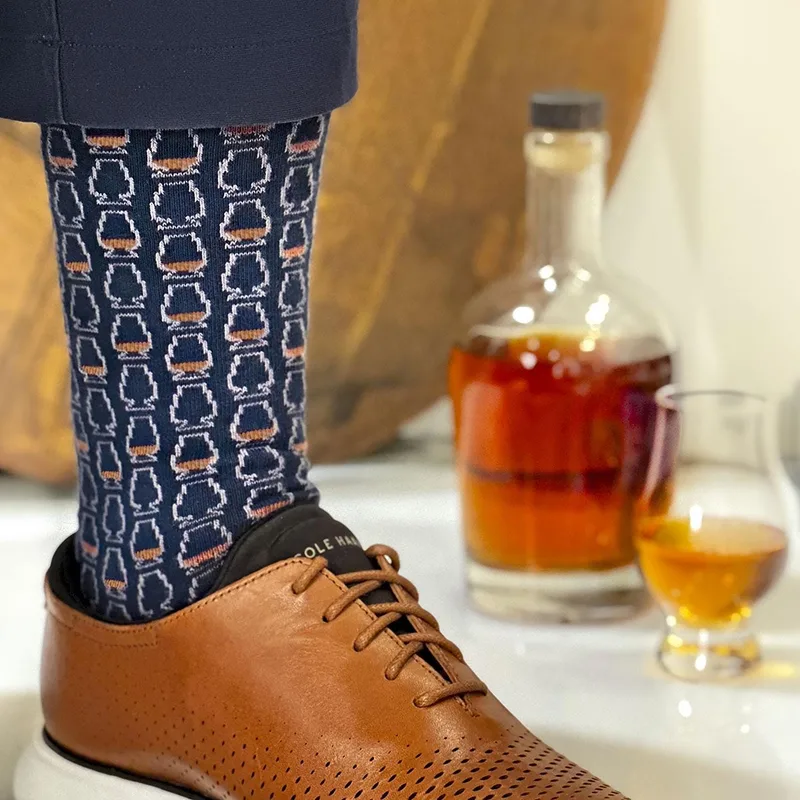
What do you buy for the friend whose shelf already holds three kinds of bitters? Or the opposite case — the one whose entire bar is a dusty shaker from a long-ago gift exchange? Home bar gifts go wrong at both extremes for the same reason: the giver guessed at the bar instead of reading it.
A home bar is an unusually honest inventory of how someone actually drinks. The tools they own, the glasses they reach for, the one bottle that empties faster than the rest — all of it is visible on a cart or a shelf, waiting to be read. The gift that works is not the most complete kit or the most impressive object. It is the one that meets the bar exactly where it is and moves it one step forward.
The Short Answer
Read the bar first. For someone with no real tools, a two-piece shaker, a proper jigger, and a Hawthorne strainer beat any fifteen-piece kit ever boxed. For an established bar, upgrade the glassware — a heavy pair of rocks glasses or a set of coupes gets felt at the very next pour. For the true enthusiast, go specific or go personal: a tool for the drink they always make, or an engraved piece that marks the bar as theirs.
Read the Bar Before You Buy
Bars pass through three recognizable stages, and each one wants a different gift.
Stage one is the no-tools bar: drinks get built in a pint glass and stirred with a butter knife. This person needs the working trio — shaker, jigger, strainer — and nothing else. Resist the kit; the trio done well costs the same and gets used.
Stage two is the mismatched bar: decent tools, but cocktails served in whatever glass is clean. This is the widest and most rewarding target, because glassware is the upgrade people rarely buy themselves. A matched, weighty pair from the kitchen and dining aisle changes how every drink they already make feels in the hand.
Stage three is the enthusiast's bar, where duplicates are the danger and specificity is the answer. Let their signature drink dictate the gift: the mojito loyalist wants a proper muddler and tall glasses; the old-fashioned devotee wants heavy rocks glasses and a large-cube ice mold; the spritz person wants stemware, not tins. Personalization also lands best at this stage — engraving turns one more glass into their glass.
Shakers, Strainers, and Why Kits Disappoint
A little vocabulary makes you a much better judge of listings.
The Boston shaker is two pieces — two tins, or a tin and a glass — sealed with a tap and opened with a knock. It is what working bartenders use: fast, easy to clean, nothing to jam. It needs a separate strainer, which is the one honest argument for the three-piece cobbler shaker, whose strainer is built into the cap. The cobbler's tradeoff is famous: metal contracts as the ice chills it, and the cap can stick mid-party.
Strainers come in two families: the Hawthorne, with its coiled spring, for shaken drinks, and the julep, a perforated bowl, for stirred ones. A small fine-mesh strainer for double-straining citrus pulp and herb flecks is the cheap addition enthusiasts appreciate.
A jigger with interior markings measures honestly; a bar spoon stirs and layers. And that is essentially the whole toolkit — which is exactly why big kits disappoint. They reach fifteen pieces by padding the count with items that see one use a year, in a stand that squats on the counter. Fewer, heavier, better is the entire buying philosophy in this category.
Glassware: Where Upgrades Are Felt Immediately
Three shapes cover nearly every drink. Rocks glasses — short and heavy — serve spirit-forward drinks over ice; weight in the base is what separates a satisfying one from a flimsy one. Coupes and their smaller cousin the Nick and Nora hold drinks served up, chilled and strained; they are also the most gift-friendly, since fewer households own them. Highballs handle anything tall and carbonated.
Two material notes worth knowing. Charred wooden drinking vessels are a statement gift — aromatic, warm-handed, unmistakably personal, and popular for exactly those reasons — but wood is strictly hand-wash, so give them to someone who will honor the ritual, not run the dishwasher. And with crystal: modern crystal glassware is commonly lead-free, but vintage lead-crystal decanters are best treated as display pieces — the long-standing guidance is not to store spirits in them for extended periods, since lead can leach into what they hold.
What to Look For (and What to Skip)
Worth prioritizing:
- Stainless steel tools with real weight; a shaker tin should feel like equipment, not packaging.
- Jiggers with etched interior measurement lines, which survive a thousand washes.
- Glassware sold in pairs — cocktails are social, and a lone glass is a strange gift.
- Weighted, thick-based rocks glasses.
- Personalization done by engraving or etching rather than printed decals, which dishwashers erase.
Safe to skip:
- Kits advertising their piece count as the headline feature.
- Hollow-handled tools that bend at first resistance.
- Countertop display stands the recipient did not ask to house.
- Vintage lead-crystal decanters intended for actual storage.
- Printed-logo glasses, for the decal reason above.
Budget Reality
The entry tier is one excellent thing: a heavy jigger, a proper Hawthorne strainer, a pair of solid rocks glasses. It makes a complete gift because bar tools are judged individually, not as sets. The solid tier assembles the working trio in good steel or adds engraved glassware — the pieces under this story sit in this range, and it is where most bar gifting should happen. The heirloom tier means decanter sets, etched crystal, and full personalized bar setups; it suits milestone occasions, and pairs naturally with something from the food and drink shelf so there is something to pour on day one.
Mistakes People Make
- Buying the mega-kit. Piece count is a marketing metric, not a quality one. Fix: spend the same money on three pieces that will each be used weekly.
- Gifting your taste instead of theirs. The whiskey set you would love means little to a spritz drinker. Fix: gift toward the drink they actually make.
- Duplicating the bar. Enthusiasts already own the basics. Fix: glance at the cart or ask a partner what is missing before buying.
- Ignoring maintenance reality. Wooden vessels and delicate glassware in a dishwasher-only household will be ruined or unused. Fix: match the gift to how they actually clean up.
What is the best first cocktail gift for someone starting a home bar?
The working trio: a two-piece Boston shaker, a jigger with interior markings, and a Hawthorne strainer. Those three tools make the overwhelming majority of shaken drinks possible, clean up easily, and never jam. Add a bar spoon and the stirred drinks are covered too. This beats any large kit at similar cost because every piece earns weekly use instead of shelf space.
Boston shaker or cobbler shaker — which should I give?
The Boston for anyone who will make drinks often: two pieces, fast, easy to clean, nothing to stick. The cobbler for the true beginner, since its built-in strainer and cap make it self-contained and unintimidating — accepting the known tradeoff that the cap can seize when the metal contracts with cold. If you are unsure which person you are buying for, the Boston plus a Hawthorne strainer is the safer long-term gift.
Are wooden or copper drinking vessels practical?
They are ritual pieces more than workhorses, and that is their charm. Charred wood vessels are aromatic and distinctive but strictly hand-wash — wood and dishwashers do not coexist. Copper mugs should be lined with stainless steel or nickel for acidic drinks, since prolonged contact between unlined copper and citrus is a known concern. Give either to someone who enjoys the ceremony of drinks, not the person optimizing for cleanup speed.
Is crystal glassware worth it over regular glass?
For gifting, often yes — crystal's clarity, thin rims, and ring in the hand read as an occasion, which is what a gift should feel like. Modern crystal is commonly made lead-free, so everyday use is a reasonable expectation; check that the listing says so. The exception is vintage lead crystal: beautiful for display, but the long-standing guidance is to avoid storing spirits in it for extended periods.
Reviews & comments
See every public review for this Journal story and leave your own note.