 All stories


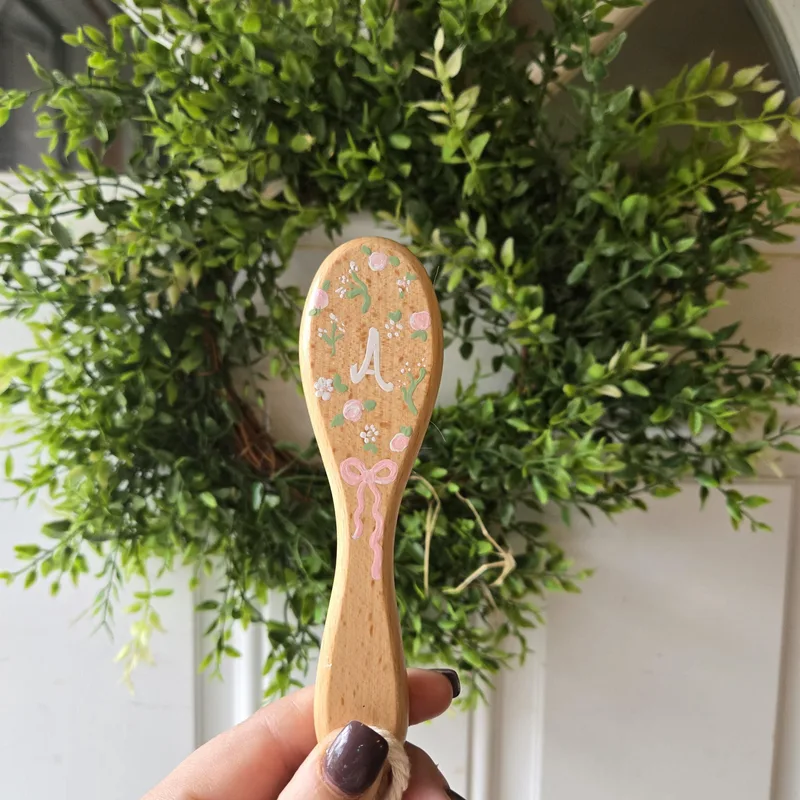
Every baby shower produces roughly the same pile: a dozen newborn-size outfits the baby will outgrow in six weeks, three swaddle sets, a tower of plush animals. Parents are grateful for all of it, and almost none of it is still in the house by the first birthday. If you want to give the thing that survives to age five — and gets shown to the kid at fifteen — you are shopping in a different category entirely: the keepsake.
The keepsake shelf has its own trap, though. Plenty of items are sold as keepsakes but function as clutter with a name on it. The difference is not price and it is not sentiment. It is whether the object gives exhausted parents something to do with it — record, store, or mark — during a first year in which nobody has spare attention for anything purely ornamental.
The Short Answer
Give a keepsake with a job. Milestone cards make the monthly photo actually happen; a memory box gives the hospital bracelet and the first shoes somewhere to live; an engraved marker piece — cup, spoon, frame — fixes the name and birth details permanently with zero effort required from the parents. Favor solid wood and metal over coated fiberboard, verify every spelling and date against the birth announcement, and if the baby has not arrived yet, buy something you can personalize afterward.
The Keepsake Test: Recorders, Containers, Markers
Keepsakes that survive fall into three types, and choosing between them is really a question about the parents, not the baby.
Recorders capture the year as it happens: milestone cards for monthly photos, a memory book for firsts, a handprint kit. They produce the artifacts families treasure most — but only if the parents actually use them. Give a recorder to parents who already photograph everything; the cards give their habit a structure.
Containers store what accumulates on its own. A memory box is the workhorse here, because every family generates keepsake fragments — the bracelet, the coming-home outfit, the first haircut — whether or not anyone plans for them. A box with compartments turns a junk drawer of guilt into an archive. This is the safest choice when you do not know the parents' habits.
Markers require nothing at all. An engraved cup, spoon, or frame with the name and birth date does its whole job by existing. Traditional silver marker pieces have been given at births for generations for exactly this reason: they are effort-free for the recipient and legible decades later.
The catalog picks below happen to span all three types, which makes them a decent illustration of the range. Match the type to the parents' energy, not to what looks best on a shelf.
Materials That Survive Fifteen Years
A keepsake's job is to still exist in fifteen years, so materials matter more here than in almost any other gift category.
Solid hardwood boxes age into the sentiment; boxes made of coated MDF chip at the corners and delaminate long before the child can read the engraving. If a listing says walnut, maple, or oak, believe it; if it says nothing, assume fiberboard.
For memory books, acid-free or archival paper is the specification that counts. Ordinary paper yellows, and its acids can damage the photographs and paper mementos pressed against it. A plain book on archival stock beats an ornate one on newsprint-grade pages.
Silverplate — a thin layer of silver bonded over a base metal — tarnishes, but tarnish polishes off; that is maintenance, not damage. Treat vintage silverplate cups and spoon sets as display pieces rather than feeding gear, and they will outlast everyone's expectations. Sterling costs several times more and matters mostly if the piece is meant to become a multi-generation object.
For textiles, natural fibers embroidered with the name wear and wash better than printed synthetics, whose lettering cracks.
Timing and the Name Problem
The single most common keepsake disaster is personalizing too early. Names change in the delivery room; spellings surprise everyone, including grandparents. Until the birth announcement is out, buy blank — or choose a gift that is personalized after the fact, which most engraved pieces and many baby gift sets allow. Giving a beautiful box a few weeks after the birth, correctly spelled, beats giving a misspelled one at the shower.
One placement note: keepsakes decorate the shelf, not the crib. Standard safe-sleep guidance calls for a bare crib, so pillows, plush pieces, and draped textiles marketed as nursery decor should be positioned — literally and in your gift note — as shelf and wall items for now.
What to Look For (and What to Skip)
Worth prioritizing:
- Engraving or embroidery over printed vinyl, which peels years before the sentiment fades.
- Acid-free paper stated explicitly in any memory book or album.
- Boxes with trays or compartments — organization is what turns saved objects into an archive.
- Room for the full name and complete birth details, not just a first name.
- Pieces sized and styled for adult hands and adult shelves; the parents are the users for the first decade.
Safe to skip:
- Anything personalized on rumored spelling before the announcement.
- A second memory book — many families receive two or three and fill at most one.
- Coated fiberboard sold as "wood" with no species named.
- Keepsakes that require the baby's cooperation on a schedule; elaborate monthly-costume projects mostly generate guilt.
- Crib-bound decorative items, for the safe-sleep reason above.
Budget Reality
Entry-level keepsakes — milestone cards, a small engraved spoon or frame — are inexpensive because the material is modest, and they make excellent additions on top of a practical gift. The solid middle tier is the personalized wooden memory box or a quality archival memory book: real materials, real engraving, the price tracking the wood and the personalization labor. The heirloom tier means silver marker pieces, or commissioned work — a custom portrait drawn from newborn photos is one of the few gifts that becomes more valuable as the newborn stops looking like their photos. Across every tier, the money should go into material permanence, never into ornament.
Mistakes People Make
- Engraving before the announcement. The name you heard at the shower is a draft. Fix: buy blank and personalize after, or gift late and correct.
- Giving the third memory book. Fix: check the registry, or ask a grandparent what is already covered — containers and markers duplicate much more gracefully than recorders.
- Matching the keepsake to your energy instead of the parents'. An elaborate recorder given to exhausted first-time parents becomes an accusation on a shelf. Fix: when in doubt, give a container or a marker.
- Forgetting the second child. Families quietly notice when baby number two gets a lesser keepsake than number one did. Fix: if you gave a marker piece for the first, match its weight for the next.
When should a baby keepsake be personalized?
After the birth announcement, not before. Names and spellings genuinely change at the last moment, and a misspelled engraving cannot be fixed. Either buy a blank piece and have it engraved once the name is public, or choose a gift designed to be personalized after purchase. Arriving two weeks late with the spelling perfect is the better trade in this category every single time.
Are milestone cards still useful if parents post photos anyway?
Yes, because the cards solve a different problem than posting. Feeds scatter photos across months and platforms; cards force a consistent monthly frame — same card style, same growing baby — that becomes a coherent series worth printing. They also date each photo unambiguously, which parents appreciate years later when every newborn picture looks identical. For photo-taking parents, cards convert an existing habit into an artifact.
What actually belongs in a baby memory box?
The things that accumulate whether anyone plans or not: the hospital bracelet, the coming-home outfit, the first shoes, a lock from the first haircut, the announcement card, a newspaper or printout from the birth date. The box's job is to be waiting when each of these appears. That is why compartments and a reasonable interior size matter more than exterior ornament — it is an archive first and decor second.
Is silverplate a bad choice compared to sterling silver?
No — it is the sensible choice for most givers. Silverplate bonds a thin silver layer over a base metal, so it looks and engraves like silver at a fraction of the cost; the tarnish it develops polishes off with ordinary silver polish. Sterling matters when the piece is intended as a multi-generation heirloom or will see regular handling. For a display keepsake marking a name and date, well-made silverplate serves beautifully.
Reviews & comments
See every public review for this Journal story and leave your own note.